Choose Your Beans: Arabica, Robusta, Green
Why Your Bean Matters
You drink coffee every day. The bean sets the taste, the kick, and the mood. This guide cuts the noise. It shows what Arabica, Robusta, and green beans are. You will learn how they grow and how they taste. You will learn how to pick the right one for your cup.
Simple rules will help you at the shop or at home. Read on and make better coffee. Trust your senses. Make choices that match your time, budget, and taste. Use them to brew bold shots or calm cups. Try small bags. Note roast dates. Adjust grind and dose today.



Green Coffee Beans: What They Are and Why They Matter
Arabica: The Smooth Classic
Where Arabica Thrives
Arabica grows on slopes. It likes high ground. Think 1,200–2,000 meters. The slow climb in altitude makes the cherries denser. Slow cherries mean more sugar and more flavor. Shade cools the beans. Shade slows ripening. That builds nuance. You find Arabica in Ethiopia, Colombia, Guatemala, Costa Rica, and Kenya. Each place writes its own flavor note. Pick a region and you pick a story.
Flavor Range: Fruit, Sugar, Floral, Acid
Arabica wears many faces. It can be bright and citrus. It can be soft and chocolatey. It can sing with floral perfume. Or hum with sugar and caramel. You taste:
Taste a light Ethiopian and you will smell jasmine and lemon. Taste a medium Colombian and you will find milk chocolate and caramel. These changes come from terroir, processing, and roast. The cup tells you where the bean lived.
Processing: Washed, Natural, Honey
Processing shapes the cup before the roast touches it.
If you want bright clarity, pick washed. If you want jam and weight, pick natural. Honey sits in the middle and often makes for the most balanced filter cups.
Roast Matters: Sweetness vs. Acid
Roast level is a blunt tool. Use it with care.
For a single-origin Ethiopian, a light roast will show citrus and flowers. For a Brazilian single-origin, a medium roast will sweeten and round the cup. Grind and brew for the roast, not the label.
Brew Tips: Filter, Pour-Over, Espresso
Match brew method to bean and roast.
Filter / drip
Pour-over
Espresso
Grind fresh. Use a burr grinder like the Baratza Encore for filters or the Fellow Ode for cleaner pour-over grinds. Fresh grind beats fancy gear.
Single-Origin vs. Blends
Single-origin gives you a clear window into place. It is vivid. It can be fickle. One lot may be great one month and flat the next. You choose single-origin when you want to taste terroir.
Blends hide that risk. They balance acidity, body, and roast. They make steady espresso and reliable milk cups. Shops use blends to serve the same cup every day. You choose blends for consistency and body.
Storage Rules and Mistakes to Avoid
Store like this:
Avoid these common errors:
When you follow these rules, your Arabica cups stay true. When you break them, the coffee dulls fast.
When to choose Arabica and whyChoose Arabica when you want nuance. Pick it when you prefer fruit, floral notes, or bright acids. Choose it when you brew filter or pour-over and when you want a cup that tells a place. Choose blends of Arabica when you need steadiness and strength in milk drinks. Your choice will shape the cup from the first breath to the last sip.
Robusta: The Strong, Cheap Ally
What Robusta Is
Meet Robusta. It grows low and tough. It likes heat and flat land. It yields more. It resists pests and disease. That makes it cheap to grow. It also carries more caffeine. Expect roughly double the caffeine of Arabica. That gives you snap and drive in the cup.
Flavor and Body
Robusta hits hard. The cup is earthy. It can be bitter. It can be nutty or woody. It brings raw power and thick body. Think coarse chocolate, toasted grain, dark honey, and an edge of tobacco. It does not sing floral notes. It does not show bright fruit. It gives weight. You feel it on the tongue.
Where Robusta Shines
Use Robusta where you need muscle. It makes espresso crema thick and steady. It makes instant coffee cheap and bold. It steadies blends that must hold milk and sugar. It performs in vending machines and high-volume shops. It keeps cost down for retail mixes and canned drinks.
You will also find Robusta in cold brew blends when makers want more body and caffeine. In short runs and big service, Robusta pays off.
How to Brew It Without Harshness
Robusta can go harsh fast. You can tame it.
If you brew at home on an espresso machine like a Gaggia Classic Pro or a Breville Barista Express, lower the temp and shorten the shot to find the sweet spot. Use a reliable grinder. A dose that is steady will keep extraction from swinging.
Blending with Arabica
Blends are the smartest use of Robusta. You keep flavor and add backbone.
Try this: 70% medium-roast Colombian Arabica + 30% medium-dark Robusta for a milk-forward espresso. You will taste chocolate and caramel with a solid crema. In a busy café, a 25% Robusta blend keeps the machine shots consistent for hours.
Buying Pointers
Look closely before you buy.
If you need steady crema, more caffeine, or a budget-friendly blend, Robusta is your tool. Next you’ll learn how green beans let you control roast and shape these traits from raw to cup.
Green Beans: Raw Beans, Real Control
You meet green coffee here. These are raw, unroasted beans. You buy them for cost, shelf life, and control. You roast at home. You shape the cup. You learn how heat turns green into flavor.
Why roast at home
Roasting unlocks sugars and oils. Heat makes Maillard reactions and caramel notes. Roast time and heat decide the mood. Short and hot yields bright, lively cups. Slow and long yields deep, chocolate tones. You keep the power to choose.
Gear: simple to pro
You do not need a lab. You need heat and airflow. Try one of these paths:
A popper gives quick results. A Behmor lets you program curves. A Hottop feels like a small machine in a café. Pick what matches your time and goals.
Roast curve in plain words
Think of roast in three acts. Drying. Browning. Development.
Rule of thumb: aim development time at 20–30% of total roast for balanced results. Want fruit? Short development. Want chocolate and body? Stretch it.
How to read roast by smell, sound, and color
Smell the process. Hear the beans. Watch the hue.
Pull a roast early. Cool beans fast. Smell the cup. Keep notes.
Safety and clean-up
Roasting makes smoke and chaff. Take care.
A quick story: a friend tried a whole-house roast in a closed kitchen. The smoke alarm sang for ten minutes. He learned to open a window.
Storage: keep the green alive
Green beans last. But they need care.
Stored well, green beans stay usable for months to years. You will lose little over a season. You will save money when you buy in bulk.
Green coffee extracts and health claims
You will see green coffee sold for weight loss. The active parts are chlorogenic acids. Studies show small effects at best. Results are mixed. Supplements vary in quality. Risks include caffeine and unknown additives.
If you chase health claims, be wary. Talk to a doctor. Treat extracts like a supplement. Not a miracle.
Now you know the tools, the curve, the safety, and the storage. You can roast a batch. You can judge it. When you are ready, move on to pick with purpose.
Pick With Purpose
You now know the trade-offs. Arabica gives nuance and sweetness. Robusta gives strength and body. Green gives control and value. Match the bean to your brew, your gear, and your taste. Buy with intent. Roast, store, and brew with care. Taste each cup. Judge with clear eyes.
Learn from what you like. Change one thing at a time. Keep notes. Roast darker for power. Keep it light for fruit. Store in cool dry jars. Grind just before brew. Share your finds. Let the bean guide your cup. Drink well. Enjoy the work. Come back and try another bean next week.
 Previous Post
 Next Post
Big question from a newbie: I bought Single-Origin Nicaraguan Green Coffee Beans (3 lb) because the article made it sound empowering to roast at home.
But… how do I even start? I don’t have a fancy roaster. Is a popcorn popper really a thing? Is it safe? What about smoke/odor in an apartment?
I want control over flavor but don’t want to set off the fire alarm or poison my kitchen 😂
Any step-by-step tips or must-have accessories? Detailed tips much appreciated.
I used a popcorn popper for a year. Pro tip: open a window, set a towel under the popper for chaff, and roast outside if possible. Smells dissipate after a few hours.
If you want less smoke, try smaller batches and stop right after first crack for lighter roasts. Also cooling fast matters — dump into a colander and stir.
Safety note: never leave the popper unattended. I once almost burned a roast because I got distracted. Lesson learned 😂
Roasting at home is doable but has a learning curve. Popcorn poppers can work for small batches but do produce smoke — roast near a window and use a fan. A dedicated air roaster or small drum roaster is cleaner. Expect 20–25 minutes total; first crack ~8–10 minutes for light roasts. Ventilation and a kitchen thermometer help. Start small and be patient!
Also watch YouTube vids of people using the Nicaraguan green beans — visuals really help for timing and color. And congrats, roasting is addictive in the best way.
Really loved the breakdown in “Why Your Bean Matters” — finally something that explains taste without the pretentiousness.
I picked up Lavazza 100% Arabica Medium Roast after reading this and wow, the smoothness is real. Makes my morning espresso way more consistent.
Also, props for the quick notes on Green Beans — I’ve been curious about roasting my own but was intimidated.
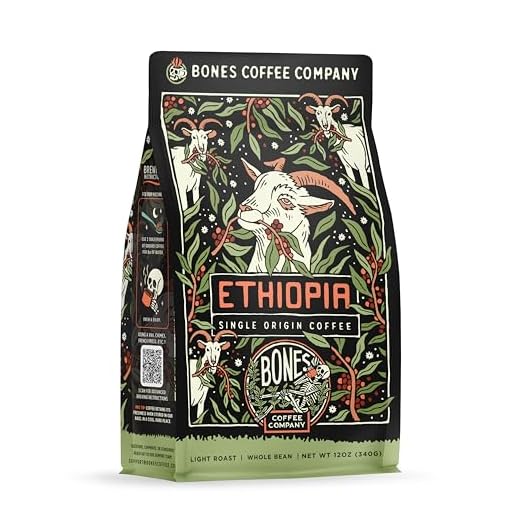
Anyone else find single-origin Arabicas (like that Bones Ethiopia) super floral in the cup? 🌸
Thanks for making this approachable!
Maya — try a pour-over with the Bones Ethiopia. The citrus notes pop even more. Also you’ll love the smell when you open the bag 😍
Totally agree. Lavazza 100% Arabica gave me a super consistent crema on my little home machine. Not too finicky.
Thanks Maya — glad it helped! Bones Ethiopia is definitely on the floral/citrus side; great for filter or a light espresso. If you roast green beans, try a medium-light profile to keep those aromatics.
This article made me laugh: “Robusta: The Strong, Cheap Ally” — feels like describing a budget superhero 😂
I actually mix a bit of Robusta into my morning pull to wake me up. Sometimes I add a scoop of Bones Ethiopia separately for fancy weekend pour-overs.
Curious if anyone has tried making a long-lasting concentrate with green beans they roasted themselves? Wondering about shelf life and safety.
Robusta as a ‘budget superhero’ — love that line! Cold brew concentrate from home-roasted beans is possible, but freshness matters. Store concentrate in the fridge and use within 5–7 days. Roasted beans themselves keep best in an airtight container, away from heat/light for a few weeks.
I made a cold brew concentrate from home-roasted beans once — delicious but the flavor changes after a couple days. Use within 4 days if you want peak taste.
Question — for people who like both bright single-origins and heavy espressos, do you blend at home or switch bags?
I have Lavazza 100% Arabica for mornings and a darker Lavazza Super Crema for weekends. Thinking of mixing a little Bones Ethiopia into my Super Crema for a brighter shot. Anyone tried mixing whole beans vs blending grounds?
I blend whole beans and it works great. Mix, grind, taste. Easy to dial in. Grounds blending can be messier and less consistent.
You can definitely blend whole beans before grinding — it’s often better to mix and then grind together for a consistent shot. Start with a small ratio (e.g., 10–20% Bones Ethiopia into Super Crema) and adjust to taste.
Mixing also lets you experiment with brightness vs body. I do 30% single-origin to 70% base blend usually.
Also note storage — once you blend, use within a couple weeks for best freshness.
Bones Ethiopia = fruity. Not a shocker, but that citrus floral description is bang on. I tried it as straight espresso and it tastes like orange candy, lol.
Try it in a short black with a tad more roast — you’ll get less citrus and more chocolate notes if you prefer that.
Ha — candy is a fair comparison for some Ethiopian naturals. As espresso it can be bright; as filter it often opens up even more complexity.
Tried green bean roasting last week — wow, it’s a whole hobby now. My first batch was uneven tho, had some burned and some underdone. Sighhh 😅
Would love a troubleshooting mini-guide in the article: “Why did I get chaff everywhere” and “My roast tastes grassy”.
Great feedback, Oliver. Uneven roast often comes from inconsistent heat or overcrowding the drum/popper. Chaff is normal (it’s the skin). “Grassy” usually means underroasted — push a bit past first crack for more development.
I had the same issues. Smaller batches helped me. Also shake/stir while cooling to avoid carryover roast.
Nice piece. The “Pick With Purpose” section got me thinking about buying beans not just for flavor but for how I brew.
A few practical things I’d add: if you drink mostly milky drinks, prioritize crema/body (so blends or Robusta). If you drink pour-over, single-origin Arabica like Bones or other washed Ethiopians is better.
Also, watch out for old beans — Amazon listings sometimes don’t show roast date clearly. I try to buy from sellers that list roast dates.
Totally — bought a bag of ‘Specialty’ once that tasted dead. Roast date saved me from another mistake.
Excellent points, Priya. Roast date transparency is huge — we’ll add a note to the article about checking roast dates and seller practices.
If you’re unsure, Lavazza Super Crema is a reliable backup — consistent and forgiving for milk drinks.
Good read. I’ve been using Lavazza Super Crema for daily lattes — cheap-ish, reliable, and it handles milk well.
The Robusta section was helpful: I always assumed Robusta = garbage, but the article explained why some blends use it (body, crema).
Would be cool if there were a quick cheat-sheet: which beans for milk drinks vs black coffee.
Cheat-sheet idea = yes. I usually do 60/40 Arabica/Robusta for espresso blends at home. Good balance of flavor and body.
We’ll consider adding a quick reference table in a follow-up post — thanks for the suggestion!
Great point, Tom. For milk-based drinks, look for blends with Robusta or a darker-roasted Arabica (like Super Crema) — they hold up to milk. For black, single-origin Arabicas (Bones Ethiopia, etc.) shine more.
Robusta ain’t all bad — it gives that punch, especially if you like strong morning shots. Also cheaper which matters lol.