Keep Your Coffee Fresh. Use a Vacuum
Why Your Coffee Needs Care
You want coffee that tastes like coffee. Air steals the smell and the oils. A vacuum slows that theft. This guide shows what vacuums do, how to pick one, and how to use it so your cup stays true.
First, you will learn how coffee loses its flavor. Then, what a vacuum container actually does. Next, how to pick the right vacuum coffee container. Then, how to use and care for it. Finally, practical tips and fixes that keep coffee tasting good. Read on. Protect your beans. Drink better coffee. Start now. Taste matters.
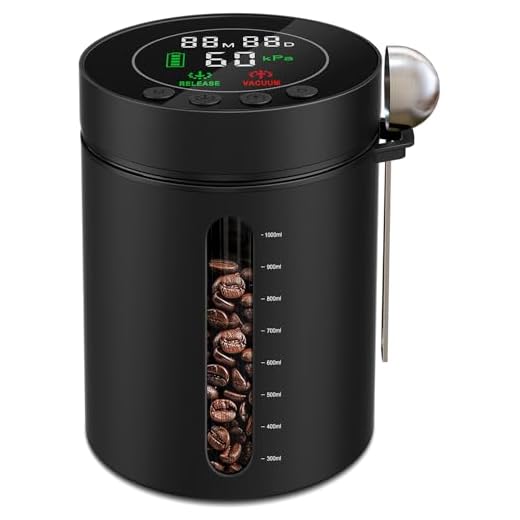


The Best Way to Store Ground Coffee Beans at Home
How Coffee Loses Its Flavor
Oxygen: the slow thief
When air touches roasted coffee, chemical change begins. Oxygen breaks down the volatile oils and fragrant compounds. Those oils hold the aroma and the bite. Once they go, the cup tastes flat. Whole beans resist longer. Ground coffee gives oxygen more surface to work on. Grind early, and you speed the theft.
Light and heat: the fast movers
Light bleaches scent. Heat speeds chemistry. A bag left on a sunny counter will fade faster than one in a cool pantry. Even small warmth from an oven or a window can steal fresh notes. Keep heat and light away and the loss slows.
Moisture: the hidden rot
Water drags aroma away and invites staleness. Dampness forces flavor compounds to change. Damp beans also pick up smells from the air. A clumsy lid or a humid kitchen will ruin beans faster than you think.
Grind size and timing
Bigger pieces hold scent longer. Fine grinds expose more surface area. Espresso or drip grounds lose their lively acids and florals in hours to days. If you grind at dawn for the whole week, the last cup will taste tired. A quick test: grind a spoonful and breathe it in. If the scent fades after ten minutes, you know how fast it goes.
Beans breathe: degassing and air swap
Fresh roast beans keep giving off CO2 for days or weeks. That gas pushes out air at first. But once the bag opens, oxygen sneaks back in. The coffee then trades its bright CO2 puff for stale air. You lose aroma and bite in that swap. You also lose the balance the roast created.
Quick, practical checks
You now know what kills coffee taste. Next, you will learn what a vacuum container actually does to stop those losses.
What a Vacuum Container Actually Does
The simple job
A vacuum pulls out air. Less air means less oxygen. Less oxygen means slower oxidation. Slower oxidation keeps the scent and oils. You lose less aroma. You keep more of the roast’s intent.
What oxygen does, again
Oxygen attacks volatile oils. It strips bright notes. With less air, those oils last longer. You will notice fresher smell. The cup will taste livelier for days instead of hours.
Two common designs
There are a few ways makers cut air out.
You will also see canisters with one-way valves. Those help during degassing. They let CO2 out and block air back in. They do not make a full vacuum. They still help, but in a smaller way.
What a vacuum keeps, and what it cannot do
A vacuum slows oxidation. That protects aroma, oils, and acids. It does not block light. It does not stop heat. It will not stop moisture if your jar is wet. So pair a vacuum with a cool, dark spot and a dry lid.
How to match the container to your habit
If you brew daily and dip in and out, a pump lid is handy. If you buy one large bag and store it, an internal purge lid is low fuss. If you like to see the beans, pick a windowed stainless canister and keep it in a dark cabinet. If you roast often, choose a jar that handles CO2 well—either a valve or a vented lid.
Real-life test: I used two jars with the same beans. The pump jar held bright fruit notes three days longer. The jar with no purge lost them in one day. Your routine will show you which wins.
Next you will learn how to pick the right vacuum coffee container for your routine and your beans.
How to Pick the Right Vacuum Coffee Container
Match the jar to how you drink
Buy for what you use, not for the bag. If you brew every day and refill twice a week, pick a jar that holds three to five days’ beans. If you buy in bulk and use slowly, get a larger canister with a one-way valve or purge system. You want enough room to move the beans gently, but not so much air that the vacuum has to fight a canyon.
Material and visibility
Glass shows the beans. You can check roast color and beans at a glance. But glass breaks and lets light through. Stainless hides the beans. It keeps light out and lasts longer. Pick the look that fits your counter and your habit.
Check the seal and test the pump or valve
The seal is the job. A bad gasket leaks air slowly. Test the lid before you buy. Pump lids should feel firm. Pump and listen. A working pump gives a firm, quiet click and resists pressure. Valves should seal tight when you press them. If you can buy in person, pump it twice. If online, read reviews for long-term seal performance.
Ease of use and cleaning
Buy a jar you can clean in ten minutes. Wide mouths beat narrow necks. Removable gaskets are best. If parts trap oil, you will skip cleaning. Look for dishwasher-safe parts if you want low fuss.
Size, shape, and opening
Think shelf space. Tall jars fit narrow cabinets. Short, wide jars stack under a shelf. Think about how you scoop. A wide mouth lets you use a scoop, not a trowel. If you travel or camp, choose a rugged pump and stainless body. For a counter jar, pick a small, dark canister that hides beans from light.
Quick shopping checklist
Choose simple. Spend on the seal and lid. Everything else is dress.
How to Use and Care for a Vacuum Container
Start right
Keep your hands dry. Keep the beans dry. Fill the jar but leave a little headspace. Aim for about an inch (2–3 cm). The vacuum works best when it has room to pull air out without crushing the beans. Scoop gently. Do not jam the lid.
Sealing and pumping
Place the lid on square. Engage the seal. Pump until the lid resists. You should feel firm pressure. Some pumps click when they reach vacuum. Stop when you feel the lid push back. If the lid has a one-way valve, press it to hear that it seals.

Fresh beans and degassing
Very fresh beans spit off gas. If you vacuum them at once, pressure can build and pop the seal. Let very fresh roast rest for 24–48 hours. Put them in a loose bag or open jar while they settle. After the first day or two, move them to the vacuum canister.
Cleaning and simple checks
Wash by hand. Use warm water and a mild dish soap. Avoid citrus or strong scented cleaners. They leave smells that cling to oils. Rinse twice. Dry the jar and lid completely. Moisture speeds staling and can hide mold.
After each clean, check the gasket and valve. Press the gasket. It should be springy. Look for cracks, flat spots, or sticky oil. Test the valve. It should move freely and seal tight. Replace any part that looks tired.
Long-term care and small fixes
Store the jar out of sun and away from heat. A cool dark shelf keeps oils calm. If you keep beans for weeks, re-pump once in a while. A small loss of vacuum is normal. Top up the pump and test. Replace seals at the first sign of wear.
Simple routine:
Practical Tips and Fixes That Keep Coffee Tasting Good
Grind and store smart
Grind just before you brew when you can. Ground coffee loses aroma fast. Keep whole beans in your vacuum jar for longer life. Fill the jar with dry hands. Leave a little headspace. Rotate beans forward in use so older beans get used first.
Freezing — do it right
If you freeze beans, seal them tight. Use an inner bag or a vacuum-sealed pack inside the canister. Do not thaw and refreeze. When you take beans from the freezer, let them warm while still sealed. This stops condensation from forming on the beans.
Quick fixes for common problems
If the pump stops working, check the seal first. Clean the gasket. Press it to test spring. Look for cracks or oil build-up. Then check the valve. Clear any debris. Reseat the lid squarely and pump again. If that fails, replace the gasket or valve. Parts are cheap. A new seal saves better flavor than a new jar.
If you smell odd things, wash and air the jar. Use hot water and mild soap. Rinse twice. Let the jar sit open until fully dry. Strong scents cling to oils. If the smell persists, scrub the lid and valve.
How to test freshness at home
Smell the beans. Fresh beans smell bright and complex. Flat beans smell dull. Brew a small pour-over and watch the bloom. A fresh roast lifts and bubbles. A weak bloom means age or stale storage. Use that test before you waste good brew time.
When the vacuum is overkill
If you drink coffee fast, an airtight jar may work fine. Use the vacuum for longer storage and for beans you want to savor. For daily beans you slam through in a week, don’t stress the pump. For special beans, apply all the care.
Try these steps. They save flavor and fuss. Then move on to the Conclusion.
Keep the Cup Worth Drinking
A vacuum will buy you time. It holds the oils. It traps the scent. It stalls the air and heat that steal taste. Pick a good jar. One that seals. One that fits your habit. Use it right. Keep it clean. Store away light and heat.
You will taste the difference. Brew with care. Grind just before you brew when you can. Dose well. Pour hot water at the right temp. Reuse the jar. Replace seals when worn. Don’t let beans sit in the sun. Make the cup worth drinking every morning. And breathe.
 Previous Post
 Next Post
Loved the technical breakdown in “How Coffee Loses Its Flavor” — oxidation, moisture, volatiles, all good stuff.
One nitpick: the article didn’t explain the difference between a vacuum (air removed) and an inert gas flush (like nitrogen). Would be cool to see a comparison because some canisters claim “nitrogen flush compatible” or whatever. Also, how does the COFFEEVAC valve compare to the manual plunger? Curious about long-term reliability.
Great suggestion — inert gas flushing is effective because nitrogen displaces oxygen without creating vacuum; it’s common in packaging but less practical for daily home use. Vacuum canisters are simpler for home kitchens.
Regarding COFFEEVAC vs plunger: plunger (AirScape) reduces headspace consistently, while COFFEEVAC uses a valve/vacuum mechanism — both work, but plunger longevity tends to be very good if cared for.
Good call — we’ll consider adding a comparison chart in the next revision.
Thanks — that clarifies it. Maybe add a small table next update comparing methods?
I read somewhere nitrogen-flushed cans are used by roasters; home vacuum wins for convenience though.
Nice article. Quick question: does vacuum storage help more for whole beans or ground coffee? I usually buy ground because I’m lazy 😬
Curious if the benefit is worth switching to whole beans + grinder.
If you’re lazy, get a small grinder and grind what you need for the day. I switched and it made mornings better tbh.
Great question. Whole beans retain flavor much longer than ground. If you drink several cups daily and want the best taste, grinding just before brewing is worth it. Vacuum canisters help both, but they can’t undo the surface area problem of grounds.
Helpful guide, but a couple of thoughts:
– Price comparison would’ve been nice — AirScape vs OGGI vs COFFEEVAC vs Veken. Some of these cost quite a bit.
– Also, is vacuum storage really better than just resealable bags with a one-way valve?
Still, I appreciate the cleaning tips — I hated when my stainless lid got stained.
Good points. Short answer: it depends. For many home users, resealable one-way valve bags are great for short-term. Vacuum canisters add convenience and durability, especially if you open/close daily. Price vs frequency of use is the deciding factor.
Also remember to factor in long-term tastes: if you value peak flavor and open your container every morning, the investment can pay off.
If you buy 1lb bags often, the COFFEEVAC 1lb airtight canister seems like the sweet spot — holds a lot and is sturdy.
I did a quick price check last month — AirScape is pricier but the plunger is solid. Veken is budget-friendly and looks nice. OGGI is big and bulky but good if you buy in bulk.
Good read. One thing I’m unsure about: is it okay to store coffee in the freezer inside a vacuum canister? I heard mixed advice — some say freeze in small portions, others say never freeze.
Looking for practical guidance for a two-person household.
Freezing can work if you use airtight, small-portion containers and avoid repeated thawing. For daily use, it’s better to keep a small vacuum canister at room temp and freeze only the bulk you won’t open often. Freeze-thaw cycles are what ruin the beans.
We freeze in 2-week portions and it’s been fine. Don’t refreeze once thawed.
Thanks — that’s what I was leaning toward. Appreciate the clear answer!
Funny how I hoarded canisters like some do toilet paper in 2020 😂
Tried the Automatic Vacuum with LED window — neat toy, and I like seeing the beans, but the battery-run vacuum seems weaker than my manual pump. Still beats a ziplock. Anyone else feel the same?
Yep. Mine ran out of battery once and I had to use the manual pump — much firmer suction. LEDs are for show mostly imo.
Totally get that — LED-window canisters are satisfying. The automatic ones trade a bit of pump strength for convenience. If you want stronger vacuuming, the COFFEEVAC or AirScape usually pull a better seal.
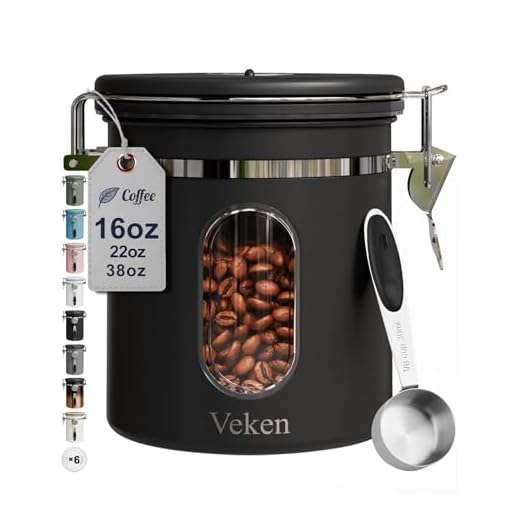
Short and sweet: this article convinced me to stop keeping beans in the opened bag on the counter. Bought a small Veken 16oz and love it. Tip: label the canister with roast date!
Labeling is underrated — saves confusion and helps you rotate beans.
Great read — finally something that explains why my bag of beans goes meh after a week.
I switched to an AirScape plunger canister a few months ago and noticed a big difference. The section on “What a Vacuum Container Actually Does” nailed it: it’s not magic, it’s removing oxygen.
Also liked the practical tips — especially the bit about not leaving beans in direct sunlight. Worth the small extra spend if you drink coffee daily.
I bought the smaller AirScape for my espresso beans and it fits perfectly in my cabinet. Counter space saver!
Which size did you get? 1lb or smaller? I’m tempted by the COFFEEVAC but worried it’s too tall for my counter.
Thanks, Sarah — glad the AirScape tip helped. A lot of people underestimate how fast oxygen kills flavor. If you want, mention what roast level you use and others might weigh in.
I ordered the Automatic Vacuum Canister with LED Window because aesthetics > everything. 😅
It arrived quickly from Amazon. Pro: looks slick. Con: I can still smell beans after a week but they’re not as bright as fresh. Maybe I expected too much? Also the LED is kinda dim in daylight.
I had the same issue — moving it out of sunlight helped a ton. Also check the seal; sometimes the lid isn’t seated perfectly out of the box.
Looks can only do so much — LED is fun but vacuum strength and storage conditions matter more. Try putting the canister in a cool dark cabinet rather than on the counter and see if that helps.
I bought the Veken 22oz stainless canister with window after reading something similar and it’s been awesome. Keeps beans fresher on my counter and the window is cute. Also grabbed the 16oz for singles when I want different beans. No regrets 😊
Good tips but LOL the part about “Keep the Cup Worth Drinking” made me snort coffee at my desk.
Also real talk: I accidentally left beans in the OGGI canister in the garage. Big nope. Flavor was dead. 😖
Ha — glad that line landed! And yeah, garage = temperature swings + light — not a good combo. Keep them cool and dark if you can.
I was that guy who thought coffee lasts forever. Spoiler: it doesn’t.
Long rant incoming but TL;DR — vacuum helps but CLEANING MATTERS.
I used an AirScape for a while, then got cocky and never cleaned the lid properly. Mold? Not mold, but stale oils built up and my coffee tasted funky. After a deep scrub and regular wipes, flavor returned. Also, vacuum containers are NOT a replacement for good beans. Buy decent beans, then vacuum them.
Also: if you like a visual, the LED window canisters are kinda hypnotic. Not necessary though. 😆
Thanks for the cleanup tip — I was wondering why my coffee sometimes tasted off. Will deep-clean tonight.
Was wondering about mold too — how often do you deep-clean? Monthly?
100% agree on cleaning. Oils and residue can trap smells and ruin fresh beans. Good reminder to everyone — clean regularly.
Sounds like a good routine. If you store different roasts, clean between them to avoid cross-flavoring.
@Ethan Clark I do a thorough clean every 4-6 weeks, quick wipe weekly.