6 Easy Steps to Brew Your Dorm Coffee Without a Kettle
Brew Hot Coffee Without a Kettle
No kettle? No problem. You can brew hot coffee in your dorm with simple tools. Stay safe. Save time and money. This guide gives six clear steps. Follow them and drink hot coffee fast, with style and joy every day.
What You Need

Brew Coffee Without a Coffee Maker: Quick, Simple Methods
Heat Water Without a Kettle
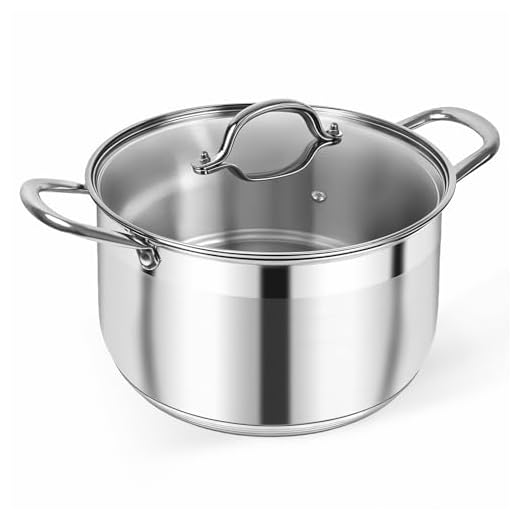
Who needs a kettle? You already have what it takes.Choose how you will heat water. Use a microwave, hot plate, or dorm stove. Pour water into a safe container. Use a glass mug or metal pot. Heat in short bursts. Stir between bursts. Watch the water. Stop before it boils hard. Let it cool ten seconds if it looks too hot.
Pour slow.
Measure Coffee and Water
Tiny math. Big taste. Want bold coffee?Measure your coffee. Aim for two tablespoons per six ounces. Use a scale if you have one. It gives better results. Grind size matters. Use medium to coarse for steep methods. Use fine for a quick cup. Adjust the dose to your taste. If your cup tasted thin after a late study session, add more grounds next time. If it tasted bitter, use less or a coarser grind. Record what you did. Try a 1:16 ratio for a balanced brew. Let grounds bloom for 30 seconds then pour slow and stir.

Brew Methods Without a Kettle
French press, pour-over, or cowboy coffee? All work. Which fits you?Choose a method that fits your gear.
Pick a method that fits your gear. Use a jar or pot as a French press. Add grounds. Pour hot water. Stir. Press with a spoon or lid. Let steep four minutes. For pour-over, make a filter from paper or cloth. Place it over a mug. Pour in small circles. For cowboy coffee, add grounds to boiling water. Stir and remove from heat. Let grounds settle for four minutes. Pour slowly. Use care. Strain through a cloth if you must. Each method makes drinkable coffee. Try them. Learn the one you like. Clean gear right after use to avoid stink.
Strain and Serve Safely
Don’t gag on grit. Strain like you care.Keep grounds out of the cup.
Use a fine strainer, cloth, or paper filter.
Pour slow.
Tilt the mug and pour along the side to trap grit.
Pour jar brew through a cloth into a clean mug.
Let steam escape before you sip.
Test a small sip.
Blow on it if needed.
Add milk or sugar after you taste.
Brew stronger if you plan iced coffee.
Pour over ice; dilution will tame it.
Avoid leaving used grounds; they make bitter coffee and bad smells.
Wash your tools right away.
Store leftover coffee in the fridge.

Clean Up Like a Pro
Fast clean. Fewer flies. Better taste next morning.Dump grounds into compost or the trash.
Avoid pouring them down the sink.
Clean now and brew faster tomorrow.
Tweak and Enjoy
Small changes. Huge joy. You’ll nail it in days.Taste your coffee.
Take notes.
Make one change at a time.
Try milk, butter, or spices.
Share with a friend.
Make it a routine.
Keep safety in mind.
Do not leave hot pots near bedding.
Set a timer.
Drink slow.
Savor heat and smell.
Claim this cup.
Note what you liked.
Use the same temp and ratio next time.
Improve with small steady steps.

Final Sip
You can make fine coffee without a kettle. Use care. Keep it simple. Change one thing at a time. Make it a ritual. Try it today and share your results.
 Previous Post
 Next Post
Friend: “Can you make coffee?”
Me: follows the guide
Friend: drinks it all
Me: oof. roommate theft is real.
Anyway, I like the cleanup section (sec 5) — quick rinse + baking soda scrub gets rid of the microwave smell.
I label mine with a sticky note and a dumb sticker. Works most of the time 😂
The roommate coffee heist is a rite of passage. Consider making a small labeled stash or brewing double and hiding half in a thermos.
Tried the guide this morning and it was perfect for the first-week chaos. A few things I loved:
– The step-by-step heat-and-pour method in sec 1 + 3 is fast and minimal dishes
– Section 2’s measuring advice was spot-on; I used a kitchen scale and stuck with 1:14 and it tasted clean
– Section 6’s tweaking tips inspired me to try a tiny pinch more coffee each batch until I found my sweet spot
One tiny nit: maybe include a quick recommended grind size chart (coarse/medium/fine) for each method?
For dorm life I print a tiny cheat-sheet and stick it inside a cabinet door. Saved me from many sad cups.
Thanks, Ava — glad it helped! Good call on the grind chart; we’ll add a simple table showing recommended grinds for the jar-filter, pour-over, and French-press style methods.
Yes please, a grind chart would be awesome. I always forget which is which and end up with mud or watery coffee 😂
Hahaha my RA confiscated my kettle freshman year so I became a microwave barista. Tried the mason jar + filter method from sec 3 and it made me feel like a chemist 😂
Pros: cheap, quick, minimal dishes
Cons: roommate thinks I’m doing experiments at 2am
Also: pro tip — freeze leftover ice cubes from brewed coffee for iced coffee later. Saves time and tastes nuttier. ☕️❄️
Anyone else make a midnight brew and regret nothing?
I left a jar on the windowsill once and it steamed up the whole room. Oops. 😂
Nice visualization, Sofia — love the chemist vibe. Freezing brewed coffee is a great call for iced coffee that doesn’t dilute.
Midnight brew squad here. If you want less noise, try pouring water into a pre-warmed mug slowly so microwave beeps are the only giveaway.
Haha same. Also, use a silicone coaster to hide steam marks on desks — roommate diplomacy.
This guide is solid but felt a bit light on taste control. I followed the 1:15 ratio and my coffee was kinda weak.
Maybe include a few alternate ratios for different strengths?
I bump to 1:13 when I’m doing the pour-over-with-a-filter-paper-in-a-mug hack — gives a fuller body without being bitter.
Thanks, Ethan — good point. Try 1:14 for medium strength and 1:12 for a bolder cup. Also slightly finer grind can boost extraction when you don’t have a long brew time.
Helpful guide overall. A couple of constructive points:
1) You might want to mention decaf or lower-caffeine options in sec 6 — not everyone wants 3 cups of energy at 8pm.
2) Cleaning tips are great but maybe add a quick note about mold prevention if people leave wet filters in the trash.
3) Loved the “Final Sip” vibe — feels like a tiny celebration every time I pull off a decent cup in a tiny kitchen.
Decaf tip: cold brew method (longer steep in fridge) makes smooth decaf that tastes less ‘flat’ than hot-brewed decaf.
Thanks, Hannah — solid suggestions. We’ll add a small decaf section and a mold-prevention tip (empty filters promptly, dry anything damp, store beans in a sealed container). Appreciate the feedback!
Seconding the decaf cold brew — also, labeled containers help when roommates lurk in the fridge 😂
Absolutely on mold — I keep a little box of baking soda in the coffee drawer, keeps things drier and less funky.
Added: label your coffee if it’s in a shared fridge. Also recommend drying any reusable filters completely before storing.
Solid instructions on straining in sec 4 — I used a fine mesh + cheesecloth and it worked nicely.
Question: any risk of the mesh getting clogged if I use espresso-fine grinds? Should I rinse more or use a coarser grind?
For mesh/cheesecloth, use a medium-coarse grind to avoid clogging. If you like a finer grind, brew in smaller batches and let the water settle before slowly pouring. Rinsing the filter before use helps too.
I had that clogging problem — switching to a paper filter saved me a lot of scrubbing. Paper filters are cheap and disposable for dorm life.
Love this — finally something dorm-friendly! I tried the microwave + jar trick from section 1 and it actually works way better than I expected.
A couple of notes:
– Microwave times vary a ton, so I heat in 30s bursts and swirl. Don’t scorch the water.
– For measuring I use a tiny digital spoon (sec 2) and 1:15 ratio like you suggested — good starting point.
Question: any tips for judging when water’s the right temp without a thermometer? I usually eyeball but never sure 😅
If you have a metal spoon, touch the spoon to the water and then to your lips (gently) to feel if it’s too hot. Not perfect but okay in a pinch!
I do the same bubble test — works most times. Pro tip: tilt the mug and watch how fast the bubbles form on the sides. Slower = cooler water.
Great to hear it worked for you, Maya! For temp without a thermometer try the bubble test: small bubbles around the edge ~85°C (good for lighter roasts), rolling bubbles ~95°C (for darker roasts). Also let boiled water sit ~30s off-microwave before pouring.