Brew Cold Coffee. Easy Steps for Your First Cup
Start Simple: Your First Cold Brew
You want a smooth, strong cup you can make at home. This short guide shows the steps. You will learn what to buy, how to measure, how long to steep, and how to serve. The plan is simple. Follow these steps and you will brew a clean, tasty cold brew. This guide is written for beginners and tagged KD 17 as the focus keyword.
Keep it short. Use plain gear. Use coarse grounds. Measure by weight. Mix coffee and cold water. Steep in the fridge. Filter and store. Dilute and serve. Taste and tweak.



Craft the Perfect Cold Brew Coffee at Home
Know Your Coffee and Gear
Pick the bean
You want fresh beans. Look for a roast date, not just “best by.” Choose a medium- to dark-roast for body and low bright acid. Look for tasting notes like chocolate, caramel, nuts, or stone fruit. Buy whole beans and grind them just before you brew. Freshness gives you sweetness and depth.
Water and cleanliness
Use filtered water. Tap water can add off tastes. Clean gear makes a cleaner cup. Rinse jars, sieves, and scoops after each use. Small residue turns into big bad flavors over days.
Keep the gear simple
You do not need gear that costs as much as your phone. Start with plain tools that work.
Real-world picks
If you want an electric burr: Baratza Encore is a reliable choice. For a cheap hand option: Hario Skerton or Timemore hand mills work on the go. For scales: Acaia is pro-level; a $10 gram scale will do the job at home.
Quick tip
If you travel or live small, a jar and a hand grinder will get you a great cup. Clean them well. Replace paper filters when damp.
Measure and Grind Like a Pro
Measure by weight
Weighing gives you the same cup each time. Aim near a 1:8 ratio for ready-to-drink cold brew. That means 30 g coffee to 240 ml water. Tare the scale. Add coffee. Then add water. You can also weigh the water — 240 ml ≈ 240 g. Small moves make big taste changes.
Grind coarse
Grind until the bits look like coarse sea salt. Big flakes. Not powder. If you grind too fine the brew will taste muddy or bitter. If you grind too coarse the brew will be thin and weak. Watch the texture. Your eyes will learn fast.
Grinders and technique
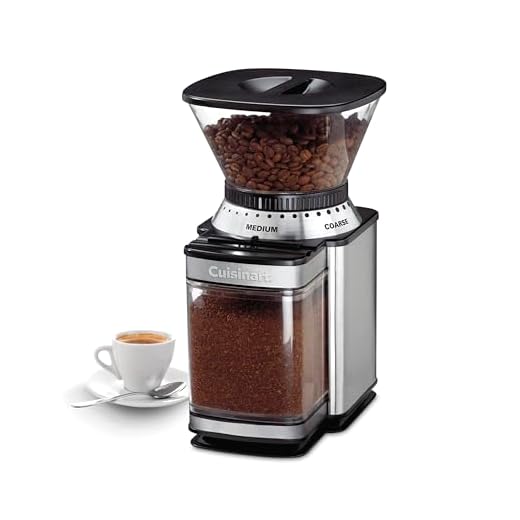
Use a burr grinder when you can. Burrs cut clean and keep size even. Good models: Baratza Encore or Breville Smart Grinder Pro for electric. Timemore or Hario for hand mills. If you only have a blade grinder, pulse. Shake the jar between pulses. Stop and check the grind. Aim for coarse and even.
Make it repeatable
You will repeat this. Each try will teach you something.
Mix and Steep: The Core Step
Load the jar
Add your measured grounds to the jar. Use a wide-mouth Mason jar or a pitcher. A Toddy or OXO brewer works too. You want space to stir.
Wet and stir
Pour cold water over the grounds. Pour slowly. Let the water flow through the coffee. Stir gently with a spoon or chopstick. Wet every bit. Aim to break dry clumps. You do not need foam or heat. Cold water pulls oils and sugars slowly. That is the point.
Cover and rest
Cover the jar. Put a lid, plate, or cling film on. Place it in the fridge or on the counter. Both work. Fridge slows things. Counter speeds them a touch.
Steep time and strength
Adjust by 1–2 hours, not leaps. If you want concentrate, aim longer but beware bitter edges at 18+ hours.
Quick checks and small fixes
Check once after an hour. If grounds float, press them down with a spoon. Do not shake hard. Do not add hot water. If you see a floating crust later, a gentle stir will resettle it.
Tools that help
Steeping is patient work. You do little. Time and cool water do the rest.
Filter and Store: Clean and Fresh
Strain with care
Set a fine sieve or a layered cheesecloth over a clean jar. Pour slowly. Let the brew flow through. Press gently with the back of a spoon or a spatula to coax out liquid. Do not squeeze the grounds hard. Squeezing forces bitter oils into the cup.
Clear it more if you want
If you want a brighter cup, pass the liquid again. Use a paper filter. A Chemex filter or a Melitta cone works fine. Or line a fine mesh strainer (OXO Good Grips is a solid pick) with a paper filter. The second pass removes fine particles and sediment. Expect less body, but more clarity.
Seal and chill
Pour the filtered brew into a clean, airtight jar. Keep it cold. Seal the jar tight. Store it in the fridge. Cold keeps the flavors steady.
Shelf life and labels
Cold brew lasts longer than hot coffee. It still fades. Use within seven days for the best taste. If you plan to keep a few batches, label each jar with the brew date. A strip of masking tape and a marker is enough. If you see sour or strange scents, toss it.
Next you’ll learn how to dilute, serve, and enjoy your cold brew so it tastes just right.
Dilute, Serve, and Enjoy
Taste first. Then dilute.
Sip a small spoon of the concentrate. Note strength and bitterness. Start light. A good rule: one part concentrate to one part water or milk. Then tweak. You control the brew.
Quick ratio guide
Serve over ice
Fill a glass with ice. Pour diluted brew. Let the ice chill it fast. If you use a store concentrate, it speeds mornings. Try a bottle like the Starbucks Signature Black Cold Brew Concentrate Bottle when you want a fast cup on the go.

Milk and sweeteners
Add cold milk or oat milk. Froth for a creamy top. Simple frothers: Nespresso Aeroccino or Bodum Latteo. Sweeten with simple syrup so it blends. A dash of vanilla adds warmth. Try a swipe of maple syrup for depth.
Make a ready pitcher
Pre-dilute a quart or liter for the day. Keep it sealed and cold. Use glass or a good pitcher. Label it with the ratio. Pour from the fridge. Drinks are ready at a touch.
Sip slow. Note what you like. Write down the ratio and add-ins. Next, learn how to fix things and improve every batch.
Troubleshoot and Improve
Quick fixes for common faults
If it is bitter, use a coarser grind or cut the steep time by a few hours.
If it is weak, add more coffee or steep longer.
If it tastes sour, try fresher beans or extend the steep by 6–12 hours.
If it is muddy, filter twice or grind more coarsely.

One change at a time
Change one thing per batch. Don’t tweak grind, time, and ratio all at once. You will not know what fixed the cup. Make one tweak. Taste. Tweak again.
Keep a short log
Write beans, roast date, grind setting, steep hours, and ratio. Note water type and room temp. A single line per batch works. After five entries, patterns will jump out. You will learn fast.
Tools that help
If you grind by hand, try a Hario Skerton. For electric grinders, the Baratza Encore is solid. For cleaner pours use a fine mesh sieve or a nut-milk bag. These make a muddy brew clear.
Taste, tweak, taste. Try a new bean once a week. Small changes give big gains. When your notes make sense, move on to the final tips.
Brew Again, Learn Fast
You just walked through simple steps. You know the gear, the grind, the ratio, the steep, the filter, and the serve. Brew. Taste. Tweak. Keep notes. Try one change at a time. Trust your gut. Small moves make big gains.
Make a cup you love. Share it. Teach a friend. Repeat till it feels right. Each jar will teach you more. Now go brew your first jar. Note what you like and what you change today.
 Previous Post
 Next Post
Loved the humor in Troubleshoot and Improve. One practical add: if you want less sediment, use a cloth filter after the pitcher filter. Also, storing in the Set of Twelve 16oz Regular Mouth Mason Jars makes portioning easy for the week.
Cloth filters are underrated. Wash and dry them well between uses to avoid funky flavors.
Agree on portioning with mason jars. Quick grab-and-go for busy mornings.
Great suggestion — a cloth or fine-mesh secondary filter can make a huge difference in clarity. Thanks for sharing your method!
Short and sweet: the Mason Jars tip was genius. I used the Set of Twelve 16oz Regular Mouth Mason Jars for single-serve brews and they’re perfect for taking to work. Pro tip: label them with dates so you don’t drink week-old concentrate by accident 😅
I do the same. Also add a tiny sticker with dilution ratio (1:1 or 1:2) so coworkers don’t mess it up.
Love the labeling tip — dates are underrated for cold brew storage. Good call on single-serve jars for portability.
Tried the 64oz Mason Cold Brew Pitcher with Filter — filter clogged a bit on the first run, probably my coarse grounds were inconsistent. Article’s troubleshooting section led me to try double filtration and it improved clarity a lot. Also, cold brew = weekend ritual now.
If your filter is reusable, try a finer mesh second filter. Or add a paper filter after the pitcher for cafe-level clarity.
Double filtration often helps, especially with hand-grinds or one-touch grinders. Glad the troubleshooting tips saved your weekend ritual!
Same here — I put the mason pitcher strainer + a paper filter in a second container. Takes a minute but makes the brew so smooth.
Loved the ‘Start Simple’ tip — I tried the Airtight Tritan Cold Brew Pitcher and it made the first batch foolproof. Used medium-coarse grind like the article suggested. Quick question: should I rinse the filter in hot water first? Smells a bit plasticky otherwise.
I rinse everything (filters, mason jar lids) — less mystery flavors. Also leave the pitcher open in fridge for an hour after first wash, helped me.
Rinsing the filter is a good call — a quick hot water rinse helps remove any factory dust or residual taste. Glad the Tritan pitcher worked for you!
First timer here — followed ‘Mix and Steep: The Core Step’ and left it for 18 hours. Flavor was smooth but a bit flat. Any tips? Maybe grind was too coarse? (I used the One-Touch grinder).
Also consider bean freshness — older beans can suck flavor even with perfect technique.
If it tastes flat, try a slightly finer grind or bump the steep time to 20-24 hours for more extraction. Also check coffee-to-water ratio — a touch more coffee can help.
Try a 12-hour, 20-hour, and 24-hour test using the same beans but different times — you’ll notice the differences and find your sweet spot.
Small rant: the Starbucks Signature Black Cold Brew Concentrate bottle is great in emergencies, but making your own is way cheaper and fresher. The article’s section ‘Brew Again, Learn Fast’ convinced me to stop buying the concentrate. Also: who knew cold brew could be sweet without sugar? ☕️✨
Agree. I keep a bottle of Starbucks for travel days, but homemade is way better for weekday mornings.
Haha same. Tried adding a pinch of salt to my concentrate once (weird tip) — it actually cut bitterness. Not always necessary, though.
Totally — store-bought concentrates are handy, but homemade lets you control strength and flavor. Happy you found the DIY route rewarding!
OK, real talk: I bought the One-Touch Electric Grinder because I was lazy. It’s… fine for quick use, but it’s noisy and the grind wasn’t as even as the Electric Burr Grinder. For a first-timer though it’s a cheap win. Article helped me understand grind size differences.
Thanks for the honest take! Yep, burr grinders give a much more consistent grind which matters for extraction. One-touch is great for convenience if you don’t want to dive into settings yet.
This matches my experience. I upgraded to the burr grinder later and the flavor got cleaner. If you use the one-touch, try pulsing rather than continuous runs to avoid overheating the beans.
Also consider freezing half your beans if you buy in bulk — keeps them fresher when you use that one-touch grinder sporadically.
Question: the article suggests a 1:8 grind-to-water ratio for cold brew (I think). I tried 1:4 concentrate and then diluted. How do others decide between concentrate vs straight brew? I’m indecisive 😂
Concentrate for me — I like iced coffee with milk so diluting works best. If you always drink black, try a weaker brew to skip dilution.
If you have guests often, concentrate is great. You can offer milk, water, or soda mixers easily.
Good question — many folks brew a concentrate (1:4 or 1:5) for flexibility (dilute to taste, keep in fridge). Straight brew (1:8-ish) is drink-ready but less flexible. Choose based on how you like to drink it and storage needs.
I appreciate the casual tone of the article. The ‘Brew Again, Learn Fast’ idea is perfect — cold brew is forgiving, so experimenting is fun. Quick note: the Airtight Tritan pitcher’s lid fit was a little stiff at first, had to warm it in hot water. Anyone else?
Thanks for the heads-up — some Tritan lids can be snug out of the box. Warming them helps. Good you mentioned it!
Yes! I thought it was defective at first. Hot water trick worked for me too.
Mine loosened after a few washes. No big deal.
I love the ‘Measure and Grind Like a Pro’ section. A scale changed everything for me — finally consistent batches. Just a note: my electric burr grinder with 18 settings was overkill at first, but once I dialed it in the flavor improved big time.
What setting did you end up using? I’m using a cheap scale and feel like an amateur 😂
Yes, scales + burr grinder = consistent results. Happy the 18 settings paid off — once you find the sweet spot, it’s hard to go back.
Same here. Took a while to figure out which setting matched medium-coarse, but worth it. Also, don’t let the number of settings intimidate you — start in the middle and adjust.
I laughed at the ‘Dilute, Serve, and Enjoy’ bit because I’m guilty of drinking straight concentrate and wondering why my mouth was frozen in coffee shock 😂. Article saved me from a few rough mornings.
Been there! Concentrate is potent — diluting lets you appreciate the nuances. Glad the tip helped you!
Same 😂 I once accidentally used concentrate in a recipe that called for brewed coffee. Yikes.
Minor gripe: Article could’ve included a quick troubleshooting checklist on mold smells if you leave jars too long. I once forgot a jar for 10 days and it smelled off. Learned to label dates and check clarity before drinking.
Good point — thanks. The ‘Filter and Store’ section mentions airtight containers and refrigeration, but a checklist (date, smell, clarity) would be a helpful add. Appreciate the feedback!
Yep, always sniff test — if it smells funky, toss it. Cold brew lasts 7-10 days in the fridge if stored properly.
If in doubt, pour into a clear glass and look for haze or sediment buildup. Also, trust your nose — not worth a stomach ache.