Brew Your Best Coffee Over Fire
Wake to Fire-Brewed Coffee
You wake to cold air and the smell of pine. You want a hot cup fast.
This guide strips the work. It shows what gear to pack, how to build and read heat, and which brew method fits your camp.
You learn to pick beans, grind in the field, and treat water. You learn to work clean, stay safe, and troubleshoot. Brew bold coffee. Do it over fire. Make every cup simple, strong, and worth the smoke every cool morning.


How to Make Campfire Coffee: A Cozy Outdoor Brew
Pack the Right Gear
Choose tough, simple pots
You want gear that hits the ground and keeps working. Pick a small kettle or pot with a tight lid. Stainless steel or thick-walled alloy holds up. Titanium is light but thin; it dents. Avoid glass unless you wrap it tight. Think one pot that does tea, boils water, and heats milk.
Pick the right brewer for you
Bring a brewer you can use with mitts and on uneven coals. Options that work in the field:
Grind and store the beans
Grind at home if weight matters. Bring a hand grinder if you like fresh. Good field mills: Porlex Mini, Hario Mini Mill, Timemore Chestnut. Store beans in an airtight jar or vacuum pouch. Pre-measure doses into small bags. If wind whips your camp, a sealed jar saves the brew.
Tools, spares, and fuel
Pack the small things that ruin a trip when absent:
Pack light. Pack smart.
Choose gear you can clean at the sink or with a cloth. Bring parts you can fix by hand. You will use these tools over wood coals and flicker flames. Next, you’ll learn to start that fire and read the heat so the gear works for you.
Start the Fire and Read the Heat
Build a bed of coals
Use dead, dry wood. Start small. Light kindling. Feed the flame slow. Let the fire burn down to coals for steady heat. A bright blaze will boil fast and scorch your pot. Coals give a steady, even heat for extraction. Start early so the coals are ready when you are.
Read the heat with your hand
Hold your hand above the grate. Learn time, not distance. Two seconds = high heat. Four seconds = medium. Six or more = low. Use that feel to judge when to raise or lower the pot. You will watch the fire. You will listen to the water.
Steady the pot
Use a flat stone, cast-iron trivet, or a grill grate to steady pots. A large flat stone evens heat and cuts flare-ups. Raise the pot on rocks or hang from a tripod to slow the boil. Lower it to speed it. Move the wood under the pot like a farmer moves his ox.
Shield and choose when to stove
Wind kills coals. Ring the fire with rocks or use a simple windscreen. If rules or time force you, use a small camp stove. A two-burner like the Coleman gives control and space for a kettle and a pot. It is faster. It is steadier. Learn both. You will adjust. You will learn to move pots, and wood, and patience.
Choose and Master a Brew Method
Pick the method that fits your hands
You want a brew that matches the trip. Fast. Dirty. Precise. Pick one and learn it. Each will ask for a different heat and a different habit. You will taste the difference.
Cowboy pot — brutal and honest
Put grounds in cold water. Set the pot on the coals. Bring to a simmer. Remove from heat. Let the grounds settle. Pour slow. No filter. It is raw and bold. Use coarser grounds to cut grit.
Percolator — watch the bubbles
Percolators cycle water up through the grounds with every bubble. Listen. Pull the pot when it tastes right. If you leave it, it will turn bitter. Try a Coleman 9-cup percolator on a camp stove for steady results.
Quick targets for each method
Test and keep notes
Start with 2 tablespoons per 6 ounces for a strong cup. Taste. Change one thing at a time: grind, time, or heat. Write the change on a scrap. Repeat the steps that work. You will find the method that fits your hands and your fire.
Pick Beans, Grind, and Water for Camp
Pick beans that travel
You want beans that survive straps and wind. Pick a fresh roast. Not fragile. Darker roasts travel better than very light, single-origin coffee. Whole beans last longer. They keep their oils and zip. On a three-day hike, I saw pre-ground coffee go flat by day two. Whole beans stayed bright.
Grind near brew time
Grind just before you brew when you can. The taste jumps. If you must grind at home, pick a medium-coarse for pots and presses, and a finer grind for AeroPress. Pack a simple hand grinder like a Hario Skerton, Porlex Mini, or the 1Zpresso JX-Pro for steady results.

You can also pre-measure doses into small zip bags. Label them by cup size. Tear one open and brew. No scales needed.
Water and heat basics
Water is half your cup. Use clean water. If the spring tastes odd, filter it or boil it twice. Heat just off boil for most methods. Cold water slows extraction and dulls your cup. If your fire is spotty, use a bit more coffee. If the cup comes out bitter, use less or pull earlier.
Try these quick rules:
Keep beans dry and sealed. Next, learn to manage fire, safety, and the clean-up that keeps your camp coffee good.
Camp Coffee Habits: Safety, Clean-up, and Troubleshooting
Safety first
Keep the flame small near tents. Put pots on a stable rock or table. Don’t brew on a rickety log. Watch children and dogs. Douse coals when you leave camp. A hot coal makes a long mess. Carry a towel and a spare lighter. I once left ember light and woke to smoke. Never let that be you.
Clean as you go
Rinse pots while they are still hot. Heat loosens grit. Use a small scrub pad. A dab of biodegradable soap will do. Save your grounds in a sealable bag. Pack them out with trash. Do not scatter coffee grounds in the woods; wildlife will sniff them out. Wipe gear dry to stop rust.
Troubleshooting fast fixes
If the brew tastes burnt, pull the pot away from the direct flame. Add a splash of hot water to dilute. If it tastes weak, steep longer or add a spoon more grounds. If it’s gritty, let grounds settle or strain through a finer filter or a microcloth. If your kettle sputters, descale with a 1:1 vinegar and water boil, then rinse well. If wind kills the flame, build a rock windscreen or cup your body around the stove.
Quick habit checklist:
These small moves keep your gear alive and your camp clean. Move on to the Conclusion for the final cup.
Brew, Taste, Repeat
You can make great coffee by a campfire. Pack the right gear. Tend a steady flame. Choose a method that fits your hands. Taste each cup. Learn one change at a time.
Pack light. Stay safe. Leave no trace. Fix small faults as they come. Brew again tomorrow and keep what you learn. Make coffee part of the trip. Share a cup. Teach one friend. Return often. Repeat, notice, and refine until morning. This is how good trips begin daily.
 Previous Post
 Next Post
Huge fan of the ‘Brew, Taste, Repeat’ mantra. Coffee is an experiment every morning.
Question — anyone used the CEVING Rechargeable Coffee Grinder while charging off a power bank? I worry about battery life when camping multi-day.
I charged mine off a 20k mAh power bank twice no problem. But if you’re going off-grid for a week, bring a manual as backup. Batteries are great until they aren’t.
CEVING is fast and efficient, but battery life varies by grind setting and frequency. Always bring a manual backup or keep grind coarse to save juice.
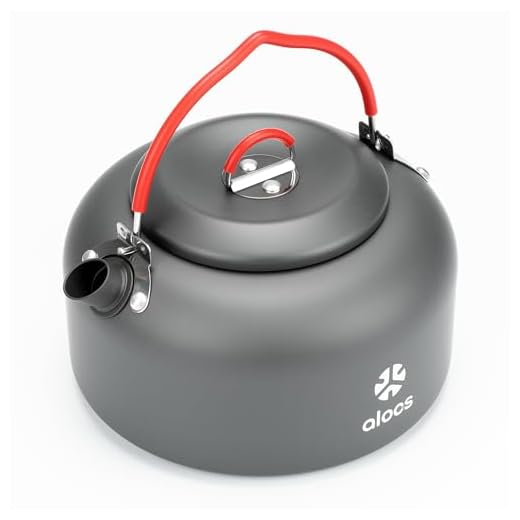
Solid article. Quick question: anyone tried the Alocs kettle on actual campfire coals instead of the stove? Curious about durability and scorch marks.
Two cents: if you’re using a French press, don’t pack the plunger in your bag with the paddle exposed — it bent on me once because I shoved other stuff into the same pocket. Learn from my mistake 😂
Also, the Portable Mini Manual Coffee Grinder with 40 settings is a godsend for adjusting coarseness on the trail. I go slightly coarser for camp to avoid over-extraction when I can’t control temp perfectly.
Ouch — gear bruises are the worst. Thanks for the grinder tip; coarser for camp is a great rule of thumb.
Agree on coarser grind. I also pre-weigh the dose at home so morning fumbling is minimal.
Okay, honesty time: I read ‘Pack the Right Gear’ and felt like I needed a small U-Haul. How minimal can you go and still brew decent coffee? 😅
I want: decent cup, minimal weight, low cleanup. Thoughts?
I do: small manual grinder, 300ml kettle, and a reusable metal pour-over cone. No plastic waste, quick to clean. French press is heavier but great if you car-camp.
For minimalist setup: Portable Mini Manual Coffee Grinder + small pour-over dripper (or metal filter) + Alocs kettle. Lightweight, low cleanup, and you get a very good cup.
Tried the Stainless Steel French Press Coffee Maker 34oz on a windy morning — pro tip: shield it from wind while plunging or you’ll get sand and embers in the cup. Also, use a bandanna as a windbreak if needed.
Longer rant: camp coffee is more about ritual than perfection. The article captures that vibe well. A couple of typos in the Pack the Right Gear list though, but nothing major.
Thanks Grace — bandanna windbreak is genius. We’ll fix the typos in the gear list.
Good call. I also use a flat rock or my stove as a shield when plunging.
Ritual > perfection. The first sip by the fire is what it’s all about.
Totally — we’ll emphasize the ritual in the next edit.
Heard mixed reviews about the ‘Compact Single-Serve Coffee Maker for Travel’ vs. the French press. For solo backpacking, which do people actually prefer? I like fast but hate cleanup and waste.
If you’re really solo and in a hurry, single-serve for the first morning, then switch to pour-over. But yeah, carry a tiny sponge for cleanup.
For solo backpacking, most seasoned campers prefer manual pour-over or a small French press (if weight allows) for less waste and better flavor. Single-serve is convenient for car-camping or short trips.
Backpacking = manual grinder + pour-over filter. Simple and light. Single-serve cups = trash, unless you bring reusable pods.
Haha, woke up to a smoky face once and learned that ‘wake to fire-brewed coffee’ can mean “wake up coughing and still drink the coffee.” 😂
On a serious note though: the Compact Single-Serve Coffee Maker for Travel looks tempting but how do folks feel about cleaning that in the woods? Seems messy.
Cleaning single-serve makers at camp can be fiddly. We recommend rinsing immediately, using minimal soap, and packing out any soiled water if you’re in a sensitive area. The article’s ‘Camp Coffee Habits’ section covers this.
Also, don’t forget to use biodegradable soap if you must wash — leave no trace! 😉
Good point Samir — our gear list prioritizes both options depending on trip type. Thanks for the practical take!
If you’re car-camping it’s fine. Backpacking? skip it. The stainless steel French press or pour-over with a manual grinder is much lighter and cleaner IMO.
I used a single-serve once — it worked but I wished I had a small sponge and a ziplock to contain rinse water. Also, pre-rinse with hot water to loosen grounds before you dump.
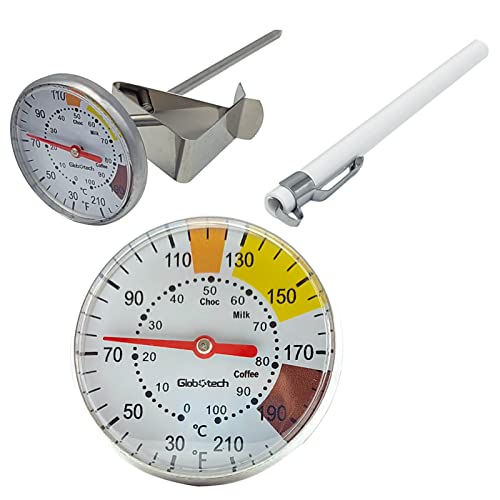
Loved the section on ‘Start the Fire and Read the Heat’ — finally someone said you can eyeball temp instead of lugging a thermometer 😄
Tried this last weekend with a Coleman Triton Two-Burner Portable Propane Stove and a stainless steel French press (34oz) and it was awesome. Quick tip: let the water sit for 30s after boiling before pouring into the press — smoother cup.
Also, the Alocs 1.4L kettle is surprisingly fast on a small fire. Article nailed the gear list.
Nice — did you grind the beans at camp or bring pre-ground? I’m torn between the Portable Mini Manual Coffee Grinder and the CEVING rechargeable for my next trip.
If weight/battery is a concern go manual (Portable Mini Manual Coffee Grinder) and grind just before brewing — fresher. If you like convenience and have power bank access, the CEVING is fast and less effort.
Thanks Laura — great field report! Love that you paired the Coleman stove with the French press. The 30s bloom tip is exactly what we recommend for a less bitter extraction.
Minor nitpick: the troubleshooting section could use more on what to do when coffee tastes flat even after following brew times. I had flat cups at 8k ft — is it water? temp? altitude?
Would love a short checklist in the article for altitude adjustments.
Good note, Tomás — altitude changes boiling point and can affect extraction. Short checklist: 1) Increase water temp slightly (let boil then rest 30-45s), 2) use slightly finer grind, 3) increase brew time, 4) check water taste/minerals.
I camp at 7000ft and adding a touch finer grind + slightly hotter water saved my mornings. Also try adding a bit more coffee by weight.
or lower your expectations. jk jk 😜 But seriously, altitude tweaks helped me.
We’ll add a concise altitude troubleshooting addendum — thanks for the suggestion!