AeroPress vs Bodum: Brew More Flavor for Your Cup
Want more flavor in your cup: will pressure wake your beans or will the plunge let them sing?
You want rich coffee. You want a simple tool. This guide pits the AeroPress against the Bodum Chambord. You get clear notes on taste, speed, cost, and care. Read on to pick the best brew for your morning cup now.
Travel Ready
AeroPress Original Brewer
Bodum Chambord Press
AeroPress Original Brewer
Bodum Chambord Press
AeroPress Original Brewer
Bodum Chambord Press
French Press vs AeroPress vs Pour-Over: Coffee Methods Compared
Design & Build: Portable Plastic vs Classic Glass
Material & feel — AeroPress
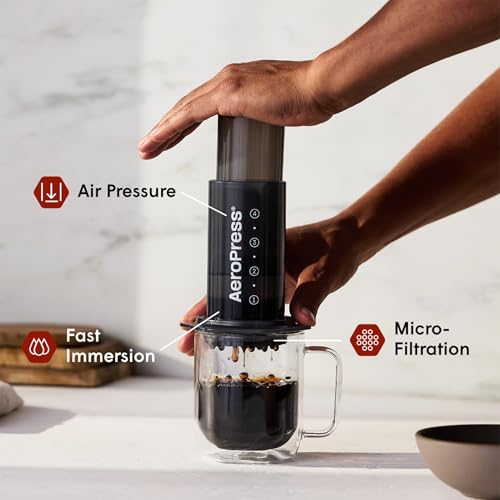
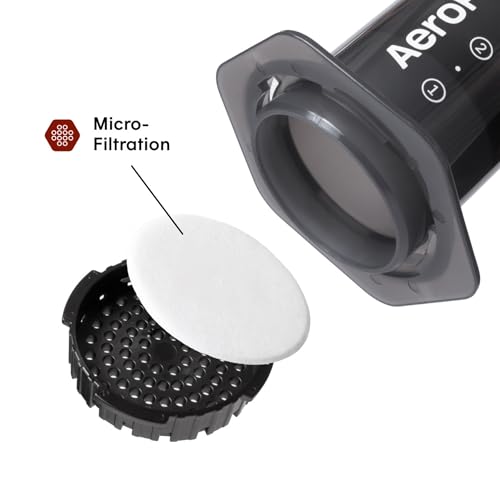
You hold hard plastic. It feels light and clean. The parts snap together. You can toss it in a bag. It takes road work and camp work. You trade elegance for survival. Filters, plunger, and chamber are simple. You can pack it small and brew a cup anywhere.
Material & feel — Bodum Chambord
You get glass and steel. The carafe is borosilicate glass. The frame is polished stainless. It looks like a tool the chef trusts. It sits on your counter. You serve guests from it. It feels solid. It also asks for care. Drop it and the glass will break.


Weight, capacity, and heat tolerance
How they wear over time
Brew Methods & Taste: Fast Press vs Full Immersion
You brew different ways. AeroPress forces water through grounds fast. It cuts bitterness and yields bright cups. Bodum uses full immersion. It gives body and oils. We test grind sizes, brew time, extraction control, and the cup profile each makes. Expect clear notes on flavor, strength, and mouthfeel.
AeroPress — Fast, forced extraction
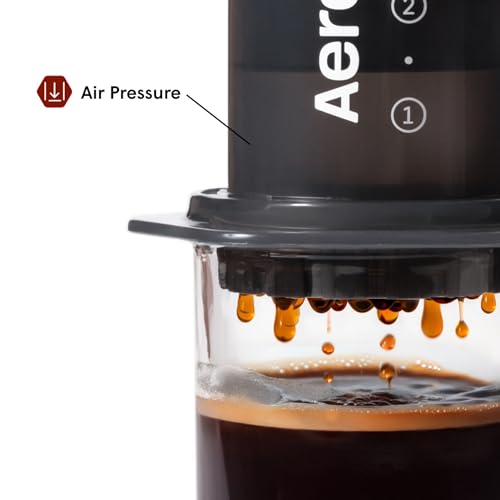
You push hot water through coffee with pressure. Brew time runs 1–2 minutes. You use a fine to medium-fine grind. The paper filter traps oils and fines. The cup feels clean. Acidity pops. Bitterness stays low. You can tune strength by dose and pressure. You can make espresso-style shots, pour-over style, or a longer cup fast.
Bodum Chambord — Full immersion
You steep grounds in hot water for 3–5 minutes. You use a coarse grind. The metal mesh lets oils and some fines into the cup. The result is thick. The body feels round. Flavors meld. You get more mouthfeel and heavier texture. You serve several cups at once. You may taste more bitterness if you over-extract. You may see sediment unless you grind very coarsely.
Grind, time, and extraction control
Cup profile: flavor, strength, mouthfeel
Feature Comparison Chart


Ease, Cleanup, and Daily Use: Minutes vs Ritual
Quick clean, few parts
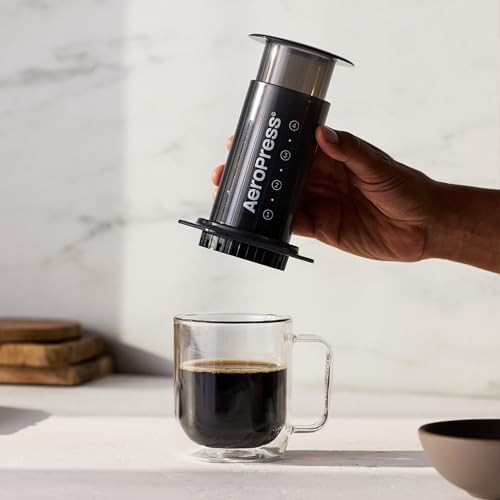
You want low friction. AeroPress gives it. You eject the coffee puck. You rinse the chamber. You twist and pull one rubber seal. Done. It takes seconds. Filters cost cents and stack small. It fits tight counters and backpacks. You can brew and clean at a campsite with one cup of water.
Ritual and care
Bodum asks for more time. You pour, steep, and press. You rinse grounds out of the glass. You disassemble the plunger and mesh for a wash. The carafe is dishwasher safe, but the glass breaks if you knock it. You learn to time the steep. You learn to press slow to avoid grit. The process feels like a small ritual. It rewards patience.
Spare parts & filters
You want speed and low fuss? AeroPress wins. You want a hands-on, multi-cup ritual? Bodum rewards care.
Price, Value, and Who Should Buy Each
Price & simple value
AeroPress: about $30. Bodum Chambord: about $40. AeroPress costs less. It gives more brewing styles in one plastic tube. Bodum costs more for glass, steel, and the classic look. You pay extra for style and capacity.
Long‑term costs & parts
AeroPress uses paper filters. They cost cents each. A metal filter is optional. Replace the rubber seal now and then. Parts are cheap and light to carry.
Bodum uses a stainless mesh. No paper filters. You save on consumables. The glass can break. You can replace the carafe, but it is more fuss and cost than a rubber seal. Bodum is dishwasher safe. AeroPress cleans faster and costs less to maintain.
Capacity & suitability
AeroPress brews one to two cups per press. It fits your bag. Bodum holds 34 oz. It serves two to four cups. It shines at a table.
Who should buy which
Final Verdict: Pick for Your Cup
AeroPress wins. It makes clean, quick coffee with low bitterness. It packs light. It fits travel and fast mornings. It yields bright notes and low grit.
Choose Bodum when you want a full, rich cup and a classic pot on your counter. Try one. Which will you brew tomorrow? Keep it part of ritual.
 Previous Post
 Next Post
I travel a lot for work and the AeroPress has been a lifesaver. Super fast, barely any mess, and I swear the coffee tastes cleaner on mornings when I have 10 minutes to get out the door.
Bodum looks gorgeous on my kitchen counter but the glass freaks me out on trips. Also, the Bodum gives more body — if you want a cozy, ‘sit-and-savor’ cup at home, go Bodum. For anything portable: AeroPress all the way. 🙂
Yes! I cracked a Bodum on a camping trip once. Heartbreaking. For camping I keep a small AeroPress in my bag, no regrets.
If you want to make Bodum travel-friendly, look into silicone sleeves and a padded case. Still bulkier than AeroPress but helps.
Totally — portability is one of AeroPress’s biggest wins. If you travel, consider getting a spare paper filter pouch so you don’t stress about cleaning on the go.
Aesthetic vote for Bodum. It looks gorgeous on my counter, like actual kitchen art. Guests always comment on it when I have people over.
Functionally, though, I rotate: Bodum for brunch with friends, Aeropress for quick weekday cups. The article nailed that balance. Also, the Bodum glass feels delicate but the stainless steel accents make it look high-end.
Glad the article reflected that real-world combo — many readers use both depending on occasion. Thanks for the note on guest reactions, that’s fun to hear!
Preheating is a simple trick that helps a lot. We might add a quick ‘care & tips’ sidebar to the post.
I put a cork trivet under mine to prevent the glass from shocking on cold surfaces. Looks cute and practical.
Also a pro-tip: preheat the glass with hot water before plunging — keeps temp more stable for thicker cups.
Good tip Ethan & Maya — will try the preheat next time. Thanks! ☕️
I own the Bodum Chambord and swear by it for weekend slow mornings. The ritual, the bloom, the messy spoon — it’s cathartic. Also cheaper than my therapist, lol.
The ritual is a big part of the appeal for many people — and yes, Bodum’s metal/cork aesthetic is very appealing for leisurely brewing.
Same here, Marcus. Nothing wrong with a little foam and grounds in the cup if it means a better flavor for me.
I dunno, the idea of a paper filter feels like betraying coffee traditions to me. 😂 French press is the OG.
But cleaning the Bodum can be a tiny chore, and those fine grounds in your cup… love/hate.
Fair point — metal vs paper filter is almost philosophical for some folks. Metal keeps oils and texture; paper gives clarity. Both valid!
You can use a metal filter with AeroPress too (if you don’t want paper). Best of both worlds sometimes.
Camping + durability = AeroPress. Lightweight, no glass to smash, and I can make a decent espresso-ish shot for morale at sunrise. The Bodum is great at home but not for outdoors imo.
If you want to stretch that espresso vibe, use a finer grind and less water in the AeroPress. Still not a machine, but close enough for outdoors.
Good call Sam — I do the same. Also, bring instant sugar packets for convenience 😉
Totally — many readers buy an AeroPress specifically for camping/travel. A backup rubber band and a sturdy case go a long way in the wild.
I experiment a lot with grind size and brew time. My takeaway after trying both:
– AeroPress: forgiving, great for bright, clean cups. Use a fine-medium grind and try the inverted method for more body.
– Bodum: coarser grind, longer steep, you get oils and heavier mouthfeel — I filter with a cloth sometimes to cut down on sludge.
Neither is ‘better’ universally; it depends on the bean and what you want from the cup. Also, AeroPress is faster if you’re impatient (guilty).
Nice summary, Priya — the grind/brew adjustments are key. We should’ve included a quick table of recommended grind sizes in the article; good idea for an update.
Priya, what beans do you use for Bodum vs AeroPress? I’m always tweaking ratios.
Agree about inverted AeroPress — gives you more extraction without the bitterness if you keep the time short.
Olivia — I use a medium roast Ethiopian in AeroPress for brightness, and a darker Sumatran in the Bodum for body. Works well!