Beat the Damp. Save Your Roast
Why you must fight damp
You love fresh roast. Moist air steals it. Damp ruins flavor and shelf life.
Beans absorb moisture. Oils dull. Aromas fade. Crema dies. Your cup tastes flat.
You can stop this. Keep beans dry. Seal jars tight. Pick resilient roasts. Store in a cool, dry spot.
Grind before use. Use soon. Rotate stock. Small habits save flavor.
Read on for clear steps you can use today. Beat the damp. Enjoy every cup longer. Much more.


Beat Damp and Condensation with This Dehumidifier
Know the enemy: how humidity hurts beans
How moisture attacks
Moisture moves fast. Beans are porous. They pull water into their cell walls. Those walls swell. Oils disperse. Flavors mute. Acids soften. The cup goes flat. Warm air speeds this. Cold air slows it. High humidity feeds microbes and mold. You lose aroma first. Then body. Then safety.
How fast it acts
In a damp flat, change shows in days. In a muggy kitchen, a fresh bag can taste dull in three to seven days. In a very humid room, mold spots can appear in a week or two. If your home sits above about 60% relative humidity, beans live a shorter life. Small batches keep you safer.
Spot the trouble: signs to check
Stale vs spoiled — a simple rule
Stale beans smell flat or like cardboard. They are safe to drink. Spoiled beans smell sour, yeasty, or musty. They may show fuzz. Toss them.
Quick actions you can take now
Open the bag. Sniff. Check for fuzz. Brew a small cup to confirm. Move the beans to a dry, sealed jar if they pass. Use them fast.
Next, you will learn which beans and roast levels resist damp best and why.
Pick beans and roasts that stand up
Choose roast degree
Pick lighter or medium roasts. They have less surface oil. They dry faster after roasting. They mute less under damp air. Dark roasts look shiny. That shine is oil. Oil beads attract water. In a humid flat, dark beans turn sticky and flat fast.
Mind the oil and processing
Look for beans that list roast date. Ask if the roaster stores bags dry. Favor washed (wet) processed beans. They leave less sugar on the skin. Less surface sugar means less food for yeast or mold.
Whole beans beat grounds
Buy whole beans. Grind just before brewing. Grounds expose more surface area. They take on moisture fast. In a muggy kitchen, grounds can taste dull in two to three days. Whole beans hold for two to four weeks if you store them right.
How much to buy — rules of thumb
Quick buying checklist
Pick beans that start strong. Buy small. Grind late. Ask the roaster simple questions. The right bean will keep flavor longer in a damp flat.
Seal the vault: containers and packing that keep out damp
Best container types
Pick a vessel that stops air and water. Thick glass jars with tight lids work. Look for Weck or Kilner 1 L jars. Metal tins with rubber gaskets work well. Try Airscape or Fellow Atmos for a true seal. Bags with one-way valves are fine short term. Avoid thin plastic tubs that breathe.
How to pack beans right
Cheap DIY vaults
Label and rotate
Write roast date and batch on each container. Use the oldest first. Open less. Replace desiccants when damp. Simple steps keep beans alive in muggy flats. In the next section, you’ll learn where in your flat to hide these little vaults so they stay dry.
Control the microclimate: where to stash beans in your flat
Spot a safe nook
Location beats gadgetry. Look for spots that stay cool and still. Check for drafts, pipes, or regular steam. Feel walls with the back of your hand. Cold or clammy walls mean moisture. A safe nook is inward, dark, and dry.
Quick checks to spot a safe nook:

Room-by-room guide
Kitchen: Do not keep beans near the stove, kettle, or sink. Instead, use an inner cabinet away from the cooking zone. A high cupboard toward the middle of the flat is best.
Living room: A bookshelf deep inside, or a cabinet away from radiators and windows, works well. Keep jars behind stacked boxes for a humidity buffer.
Bedroom: A top shelf in a closet on an interior wall is ideal. The bedroom stays calmer than the kitchen.
Hallway: Use a small cupboard away from the door to the outside. It will see fewer temperature swings.
Bathroom and windowsills: Avoid. Steam and sun are killers.
Use dehumidifiers and desiccants
For mild damp, a mini electric unit like the Pro Breeze 500ml or Eva-dry E-333 will help. For whole-room control, try a Meaco DD8L or similar. Place the unit near your storage zone, not on top of jars.
Add food-safe silica packs (1–2 g) inside jars. For very damp flats, use a sealed tote (Sterilite-style) to hold jars plus a larger desiccant or DampRid bucket. This gives you a dry microclimate you can control.
Daily habits: grind, use and rotate to keep flavor
Simple daily routine
Your habits win or lose the roast. Buy only what you can use in 7–14 days. Grind just before you brew. Use first-in, first-out. Brew more. Stash less. Plan buys around how much you drink each week.
Quick checks before you brew
Look, smell, feel. Open the bag or can. If beans smell sour, musty, or chemically off — stop. If they clump into hard lumps and smell dull, they may be damp. A few damp clumps can be dried. Visible mold means toss.
Quick checklist:
Cleaning and gear
Clean often. Wipe canisters weekly. Empty grinders and brush burrs every 1–2 weeks. Deep-clean the grinder monthly or after oily beans. Use a stiff brush, a small vacuum, and the maker’s manuals. Good grinders: Baratza Encore, Fellow Ode. Good manual: 1Zpresso JX.
Rescue and toss rules
Rescue: spread beans thin on a tray in a dry room or near a dehumidifier for 12–24 hours. Check smell again. Use rescued beans fast — coffee fades fast after distress. Toss if you see mold, rot, or a sharp chemical smell.
Buy smart. Store tight. Grind fresh. Rotate stock. These small moves keep the cup alive and lead you into the final tips.
Keep the taste. Lose the damp.
You can beat the damp. Pick the right beans and roasts that stand up. Seal them in a tight jar or bag. Store in a cool, dry spot.
Grind just before you brew. Use what you buy and rotate stock. Do this and your roast will sing in your flat. Small rules. Big taste. Trust the plan. Taste the reward. Keep to these steps and you will drink fresh cups every day. Every morning.
 Previous Post
 Next Post
Practical renter tip: if you’re worried about humidity but can’t change anything in the flat (landlord rules), use compact airtight containers and keep them off the floor. I also throw a silica packet into the cupboard (not touching the beans) and it helped a lot. The article’s ‘Control the microclimate’ stuff is perfect for renters.
Silica packets are underrated — cheap and effective. Glad that tip worked for you.
I keep packets in every box and they’re lifesavers during rainy months.
Landlord-approved, super low effort. Also looks less like I’m hoarding coffee.
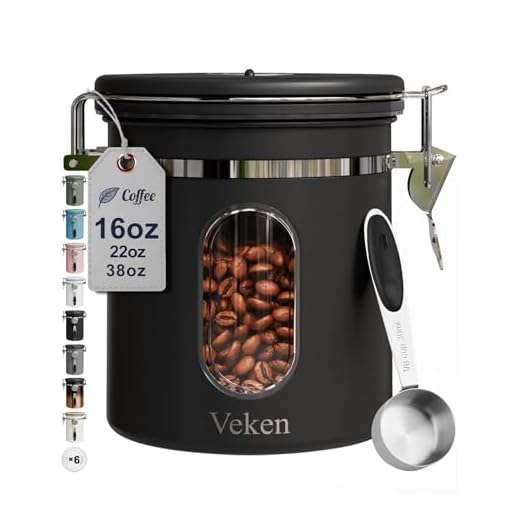
Aesthetic matters to me — the Veken canisters with the little window are cute and functional. I keep a pair on my counter (one for beans, one for sugar) and it looks tidy. The article’s mix of style + science was refreshing.
Tiny nit: windows can fog if humidity is high, so keep them away from the kettle.
Nice point about fogging — store away from steam sources. Windows are great for convenience but placement matters.
I noticed fog once after I brewed a ton of tea nearby. Moved the canisters and problem solved.
Nice write-up. I’ve been eyeing Vtopmart 78oz Glass Airtight Food Storage Jars for a while — they look gorgeous and I like the idea of glass (no plastic off-gassing). But how do you actually rotate beans with big jars? Do people decant smaller daily jars?
Also, curious about the humidity numbers that really matter — is 60% indoor RH a hard no?
P.S. love the “Seal the vault” heading 😂
Yes, many people decant daily amounts into a smaller canister (like the Veken 16oz) while keeping the bulk in glass jars. As for RH, under 60% is safer — ideally 40–50% for coffee storage. Above 60% you’ll increase mold risk and staling rates.
I do the same. Glass jars look nice on the counter too, especially the Vtopmart ones.
60% is the nightmare number where summer becomes a flavor battlefield. Invest in a cheap hygrometer if you’re unsure.
I keep the big glass jar sealed and scoop into a 22oz canister for the week. Works well.
Thanks — that RH guidance helps. I’ll try decanting routine.
Long rant incoming (sorry):
I live in a top-floor flat with ridiculous summer humidity. Beans went from ‘oh wow’ to ‘sad’ within a week last year. Tried the Chef Preserve Compact Rechargeable Handheld Vacuum Sealer because I didn’t want to lug a big machine up the stairs. Game changer? Kinda.
Pros: small, portable, charged via USB, decent sucks for small batches, cheap.
Cons: doesn’t remove as much air as a full sealer, battery needs charging, and sometimes the seal on zipper bags leaks.
I’m now doing this: bulk in Vtopmart glass jars in a cool closet, daily decant into a 16–22oz Veken canister, handheld for travel bags. It’s a slightly ridiculous ecosystem but it keeps my morning ritual intact.
Anyone else built a weird storage ecosystem?
Exactly — my girlfriend calls it ‘the altar’ lol
Love the ecosystem idea — practical and personal. Sounds like you’ve optimized for convenience and results. That’s the goal.
Your setup sounds familiar. I also mix glass for bulk + smaller canisters for daily use. Feels like a coffee shrine 😂
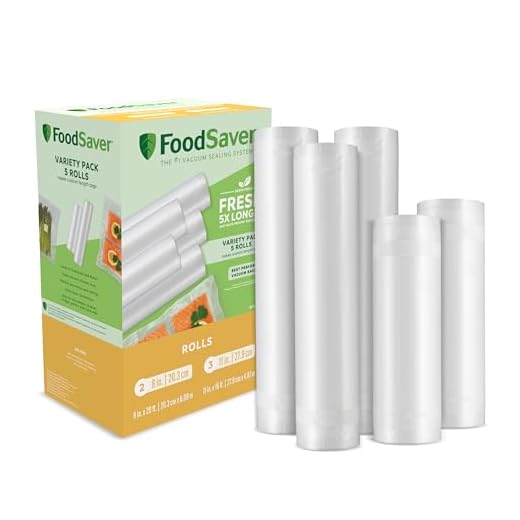
Great rundown. I live in a damp basement-flat and this article hit home. I switched to FoodSaver Custom-Length Vacuum Sealer Bag Rolls last winter and my beans stopped tasting…mildewy? haha. Also picked up a Veken 22oz Airtight Coffee Canister with Window so I can see levels but keep humidity out.
Only thing — the vacuum bags are a bit fiddly if you don’t cut straight. Worth it though.
Whoa, I hadn’t thought about freezing the roll. Genius! I always fumble with it 😅
Basement problems for the win… try to avoid direct floor storage too, elevated shelf helps the microclimate.
Thanks Liam — glad it helped. Cutting straight gets easier with a guide or a ruler. Also freeze the roll briefly if it’s slippery, makes measuring easier.
I get that humidity is bad, but sometimes sealing everything feels like overkill. I buy small amounts and drink them fast. Anyone else think all the gear is a bit much unless you’re storing months?
Agreed — I rarely go beyond 2 weeks and a single airtight canister is my whole setup.
Not overkill if you store for months — but if you buy weekly and rotate fast, simple airtight canisters like the Veken 22oz can do the job. Gear scales with how long you keep beans.
Short and sweet: I’m lazy. The Chef Preserve Compact Rechargeable Handheld Vacuum Sealer looked like a toy but it actually works. Quick zap, pop the zipper bag and you’ve got less soggy coffee. Wouldn’t trust it for sous-vide obviously, but for beans? Perfect.
I have the same one and the battery lasts a couple weeks with regular use. Handy for travel snacks too.
Yep — handhelds are great for small batches and quick fixes. For long-term whole-bean storage, full-size vacuum systems still have the edge but handheld is super convenient.
Lavazza Super Crema shoutout — love that blend. The article made me rethink storage though; I used to leave the tin open on the counter (don’t judge). After switching to a sealed canister, the crema actually got better on my pours. Not sure why, but the coffee is happier now 😂
I’ll never go back. Beans living their best sealed life.
Tin storage is fine short-term but open tins let in humidity and odors. Happy beans = happy crema.
Don’t worry we’ve all had that ‘leave tin open’ phase. Living and learning!
Is it okay to store beans in the fridge? The article warns about microclimate but I’m still unsure — summers here reach 75–80°F indoors and it gets gross. Would a sealed Veken + fridge be fine?
Freezer works but plan portions carefully, otherwise it’s a pain.
Generally avoid the fridge for whole beans — condensation when moving beans to room temp can introduce moisture. If you must, keep them in an airtight container (no freezer bags) and try to leave them in there long-term, not moving back and forth.
Got it. Freezer > fridge. I’ll invest in a small vacuum sealer then.
I avoid fridge. Freezer for long-term (months) is okay if vacuum sealed, but daily fridge dances = condensation doom.
Tried the FoodSaver bags after reading this. Immediate improvement — my espresso had a cleaner profile, less weird ‘flat’ notes. I used the Lavazza Super Crema and it felt brighter.
The only annoyance: removing air completely is fiddly for irregularly shaped bags of beans. But heh, first-world problems.
Rolling with the straw next time 😂
Glad it made a difference! For irregular bags, try using a small straw to remove extra air before sealing or use a vacuum canister with adapter if your machine supports it.
Straw trick is classic. Or get a heat-seal roll so you custom size smaller bags.
Quick skeptical take: does vacuum sealing actually slow chemical staling much, or is it mainly about mold/moisture? I feel like I can taste freshness differences but not sure which process causes it.
Do it and report back, lab coat optional 😆
Science-y answer: oxygen and moisture both accelerate staling. Vacuum helps with oxygen; good barriers help with moisture.
Thanks — makes sense. I might try a small experiment with two identical bags next month.
Both. Vacuum sealing reduces oxygen exposure (slows oxidation) and prevents moisture ingress (slows mold/physical degradation). So it helps on multiple fronts.
The daily habits section was gold. I used to grind a week’s worth on Sundays (rookie mistake) — flavor loss was real. Now I grind what I need and rotate. Simple but effective.
Grinding daily is one of the easiest wins for flavor. Even coarse adjustments matter depending on brew method.
Same. My espresso improved when I stopped pre-grinding. Also, keep burrs clean!
I travel a lot and was wondering if the Veken 16oz Airtight Coffee Canister with Window is worth bringing on trips. Does anyone use that as a travel container? I hate grinding on the go.
I brought a small 16oz once — worked well for a weekend. If you fly, remember TSA rules for containers if you pack beans in carry-on (usually fine).
It’s a decent travel option for short trips if you have space. The window adds weight but is handy. For strict light packing, smaller vacuum bags might be better.
This article is a godsend — short, practical steps. A couple notes/questions:
1) You recommend Lavazza Super Crema Medium Roast — I love it but does vacuum sealing change the crema or roast profile? I’m paranoid.
2) For everyday use, is the Veken 16oz Airtight Coffee Canister with Window enough or should I do a double layer (canister + vacuum bag)?
3) Any tips for folks who can’t avoid closet storage? I’ve got a tiny flat, no cool pantry.
Appreciate the product recs, btw. Kept it real and not just “buy this” spam.
Thanks y’all — I’ll try the desiccant tip and maybe double up only for cold storage. Relieved about the crema thing.
Good questions: 1) Vacuum sealing slows oxidation but won’t change roast profile if you don’t roast or reheat the beans in the bag. 2) For daily use a Veken 16oz is fine — double layer is nice for long-term (vac bag inside canister), but not necessary for 1–2 week turnover. 3) Closet storage: place canisters on a shelf away from heat sources, use silica packets if humidity is high.
Closet tip: put a small desiccant box in there (not touching beans) and keep a door gap for air circulation.
I rotate beans fast so a single airtight canister works for me. If you’re keeping more than 2 weeks, vacuum bags are worth it.