Behind the Brew: Let Your Strainer Steer the Taste
Meet Your Strainer: The Quiet Guide to Better Tea
You brew tea every day. The strainer sits small and still. It does more than catch leaves. It shapes the water. It slows the flow. It frees or binds the flavor.
You likely ignore it. You should not. The right strainer changes one cup. It opens the taste. It tames the bitter. It lets the sweet stand.
This piece shows why. It shows how leaf, space, and material all matter. It guides you to choose. It teaches you to brew with purpose. Use your strainer on purpose. Let it steer the taste.
Small moves make big change. Start now. Pay attention. Taste will thank you and reward your daily cup always.


The Ultimate Tea Strainer for Your Perfect Cup ☕️
How Your Strainer Shapes Flavor
Hole Size and Flow
Small holes slow the pour. They trap fine dust. That yields a clear cup. It also holds tiny bits close to the leaves. The result: a brighter, sometimes sharper sip. Large holes let whole leaves move. Water flows faster. The tea breathes. You get more body and more oils in the cup. Think of a wide river vs. a tight stream. They carry different things.
Surface Area and Shape
A wide basket gives room. Leaves unfurl. They shed aroma and oils evenly. A narrow tea ball crowds them. Crowded leaves steep unevenly. A domed or tall infuser lets water swirl. Flat disks sit still and make hot spots. Surface area of the strainer matters too. More metal or mesh in the water changes heat retention. That change alters extraction speed, if only a little.
This is where real gear shows its face. A ForLife stainless infuser gives room. A mesh ball is quick and cheap. A Finum mesh basket filters fine. The OXO basket below is built for larger pots and whole leaves.
Aroma, Body, and Clarity
Aroma needs release. Give leaves space. Let steam pass. For aroma-first teas — green, white, delicate oolong — use a roomy basket. Body comes from oils and soluble matter. If you like weight in the mouth, try a loose-fit infuser with larger perforations. Clarity comes from fine mesh and a clean pour. If you serve iced tea, use fine mesh to avoid a cloudy jug.
Quick Rules to Try
Try one change at a time. Swap the ball for a basket. Note the first sip. Adjust steep time. Taste will tell you which strainer suits your tea.
Leaf Size, Space, and Flow: The Science of Steep
Leaf size matters
Leaves are not equal. Broken tea and fannings release flavor fast. Whole leaves take time. If you use the wrong strainer you will oversteep or under-extract. A tight mesh will trap dust and push bitter notes into the cup. Big holes let oils pass and give body. Know what you brew. Match the strainer to the leaf.
Give leaves room
Whole leaves need space to unfurl. Crowded leaves steep unevenly. A tall basket or roomy infuser lets water move through the pile. Think of a sponge. It opens when water flows freely. When you give leaves room, they shed aroma and oils more evenly. Try a Darjeeling in a wide basket. Notice the lift in aroma on the first sip.
Control contact time
You control strength with time. Use the basket like a timer. Lift it sooner for green and white teas. Let it sit longer for black and pu‑erh. If fines cling to the mesh, cut steep time by 15–30 seconds. For quick tests, use a one-minute change and taste. Your tongue will tell you what to do next.
Guide the flow
Pour speed matters. A fast, direct pour hits the leaves hard. It speeds extraction. A gentle pour lets water sweep through slowly. Depth matters too. Submerge the basket fully for a bold steep. Keep it shallow for a lighter cup. If you brew in a travel mug, plunge the basket down, then lift slightly every 30 seconds to flush atoms of flavor.
Practical rules you can use now
Try these rules in one tea session. Change only the strainer. Taste the shift. Next, you’ll learn how the material of the strainer itself shifts the cup.
Materials and Taste: Match Strainer to Leaf
You just learned how space and flow change a cup. Now learn how the strainer’s skin changes it. The material speaks. Learn its voice. Then pick the right one.
Metal: heat and bite
Stainless steel holds heat. It moves flavor fast. It works well with robust black and pu‑erh teas. Use a fine mesh for fannings. Use larger perforations for whole leaves. Beware thin tin alloy filters. They can add a faint metallic edge. If you smell metal, switch to a higher‑grade or rinse it hot first.
Glass: neutral and bright
Glass stays neutral. It shows color. It keeps aroma true. Use glass for delicate greens and floral oolongs. A clear pot lets you watch unfurling. It will not add flavor. It will not steal it. For a clean, bright cup, choose glass.
Silicone and food‑safe plastics: flexible and forgiving
Silicone holds shape. It bends and fits. It shines in travel mugs and weird shapes. It won’t rust. It can trap oils over time. Wash it well. Choose food‑grade, BPA‑free models. Use silicone for herb blends and fruit tisanes where a neutral surface is less vital.
Bamboo, cotton, and natural fibers: warm charm, extra care
Natural fibers add character. They can give a faint woody note. They also soak up oils and smells. Use them for smoky teas or rustic blends. Do not use the same cloth for jasmine and lapsang. Rinse, sun dry, and replace often. Bamboo baskets look good. They need full drying between uses.
Match material to tea: quick guide
Small rules that change your cup
Rinse metal to warm it. Preheat glass to avoid shock. Replace cloth after heavy oils. If a strainer smells of past brews, bleach or toss it. Try one change at a time. Brew the same leaf in two materials. Taste the difference.
Brew with the Strainer in Mind
Small moves, big change
You can shift a cup with tiny acts. Dose with care. Weigh or level your spoon. A pinch more leaf will bite. A pinch less will fade. Pre‑wet the leaves. Let them wake for five seconds in hot water. This cleans dust and lets the leaf breathe. Time the steep. Set a timer. Watch, don’t guess.
Steps for common leaves
Use these short methods. Each ties to a strainer choice.
Pour height, stir, and mesh
Pour height matters. A high pour stirs the leaves. It speeds extraction. A low pour keeps it calm. Use high pours with sturdy leaves and coarse strainers. Use low pours for green and white tea. Stir when leaves are twisted or packed in a ball. Skip stirring for fragile buds. Use fine mesh for short, brisk steeps. Use a wider basket when you plan long brews. Leaves must move.
Time, reuse, and small tests
Taste each steep. Note seconds, not minutes. Try one change at a time: same leaf, different strainer. Record what you like. Next you will learn how to pick the right strainer and keep it true for many cups.
Pick, Fit, and Care: Keep Your Strainer True
Buy the right size
Buy for your cup and for your leaf. A tiny ball will squash whole leaves. A wide basket will drown a small mug. Test the fit. Drop leaves into the strainer. Place it in the cup. Pour hot water. Watch the leaves move. If they hit the rim, swap to a taller infuser.
Check build and wear
Look for rust, cracks, and loose seams before you brew. Light surface rust on thick stainless can be scrubbed. Cracks in silicone or frayed cloth mean you must replace it. A warped rim spills. Don’t trust a weak seal.
Clean fast and clean smart
Rinse at once. Tap spent leaves into compost. Run hot water through the mesh. Use a soft brush or old toothbrush to clear holes. For stubborn stains or oils, soak 20 minutes in a 1:1 vinegar and hot water mix. Or drop the strainer in a bowl with hot water and a denture tablet for 15 minutes.
What to avoid
Avoid harsh soaps on cloth or natural fibers. They cling. Avoid steel wool on fine mesh. It will score and trap tea. Never leave a damp strainer in a closed cupboard.
Simple fixes you can try
Storage and small rituals
Dry fully. Air the strainer on a rack. Store away from spices and trash. Keep it in a drawer or tin with a small baking soda sachet if you like. Once a month, give it a hot soak and a good brush. Replace cheap balls every year. Replace cloth infusers sooner.
A clean, well‑fitted strainer gives steady cups. It keeps your tea honest. Now move on to the final pour.
A Final Pour: Let the Strainer Lead
The strainer is not small in effect. It guides taste, texture, and clarity. You can choose it. You can care for it. Match the mesh. Mind the material. Mind the size. Give leaves room. Let water flow. Use the right tool for the leaf. Clean it well. Replace it when it fails. These acts cost little. They give much.
Brew on purpose. Watch the cup. Learn from each sip. Let the strainer steer your tea. It will repay you with clean flavor and calm ritual. Brew with care. Drink well. Share the habit.
 Previous Post
 Next Post
Loved the breakdown of how mesh size actually changes the cup — never realized my OXO Brew infuser was letting too much dust through until now. Really helpful to see the match-ups: fine mesh for fannings, wider basket for whole leaves.
Also, shoutout to the Cuisinart Three-Piece Stainless Steel Mesh Strainer Set mention — I have the mid-size one and it saved so many oversteeps. Practical tips on fitting and flow were gold. 🙂
One tiny thing: could you add a quick chart or cheat-sheet for common leaf types vs recommended strainer? That’d make it insanely easy for beginners.
Yesss, the OXO Brew infuser was my first ‘a-ha’ moment too. For anyone on the fence: pair it with a medium whole-leaf and the results are sooo smooth.
Totally agree — a 1-page cheatsheet would be my go-to. Also, if you like the Cuisinart set, try rinsing the mesh quickly with hot water first; it helps reduce that first-minute metallic tang you sometimes get.
Thanks, Emily — glad it clicked! A cheat-sheet is a great idea; we’ll consider adding a quick reference table for common leaves (green, oolong, black, herbs) and the best strainer types (extra-fine, basket, ball). Appreciate the suggestion!
Really appreciated the ‘Materials and Taste’ section. I used to blame bad tea on the leaves, but switching from a cheap plated strainer to a proper stainless one (not the flimsy stuff) actually changed the flavor profile — less metallic, cleaner finish.
Couple of nitpicks:
– The article could use clearer guidance on when a tea ball (like the PUSCOBSY set) is fine vs when to choose a basket.
– Some of the brand mentions felt like random drops; maybe a small pros/cons line next to each product would help readers pick faster.
Also, typos: “teh” appears twice in the How Your Strainer Shapes Flavor paragraph. 😅
Thanks for catching the typos, Aisha — we’ll fix ‘teh’ ASAP. Great call on a pros/cons blurb by product; that would clarify when to pick a tea ball vs basket (ball = quick single-cup convenience, basket = better expansion and flow for multiple infusions).
Agree about the metallic taste — I tossed a plated strainer and the difference was immediate. Also, PUSCOBSY balls are cute for travel/office but yeah, not ideal for big-leaf oolongs.
We’ll revise the product list to include a one-liner for each item (best use-case, fit notes, care tips). Thanks for the constructive feedback!
Hilarious read — I swear my strainer has an opinion on every tea I brew. If it could talk it’d be like “too many leaves, Karen” 😂
Real talk though: I bought the Teabloom Heat-Resistant Glass Teapot with Infuser after reading similar guides and it’s lovely for showy blooms, but sometimes I miss the sturdiness of a metal basket for really tiny leaf particles. Balance, I guess.
Maya, same here. The Teabloom is gorgeous, but I always have an Extra-Fine Stainless Steel Oversized Tea Infuser Basket as backup to catch the micro bits when needed.
Totally — glass pots with internal infusers are beautiful for visual teas (flowering or large whole leaves), but they often use medium mesh that lets dust through. For tiny leaf dust, pairing a glass pot with a secondary extra-fine mesh strainer when pouring can save the day.
Nice article but felt a bit light on the cleaning/maintenance bit. You mentioned ‘Pick, Fit, and Care’ but didn’t go into specifics — like how to get stains out of fine mesh or whether the Extra-Fine Stainless Steel Oversized Tea Infuser Basket can go in the dishwasher without ruining the weave.
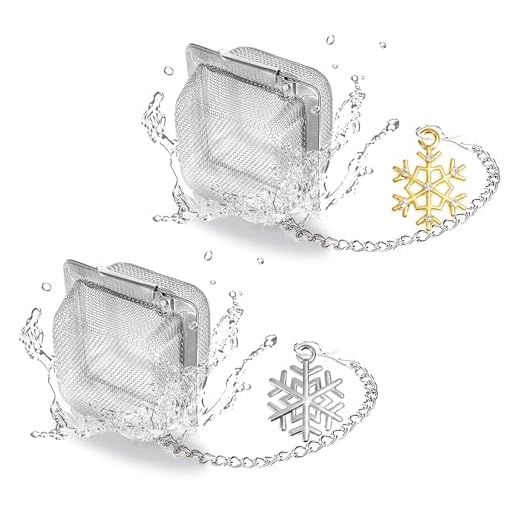
I own the PUSCOBSY Snowflake Stainless Steel Tea Ball Set and one of the balls started to warp after I left it in hot water too long. Are some designs more delicate than others?
Also adding: if you have delicate handmade strainers, avoid metal scouring pads and sharp scrapers. For the Extra-Fine Oversized basket, check the seam areas — those are where breakdown often starts.
Great point, Jason — we can expand that section. Short answers: most high-quality stainless strainers (including Extra-Fine and many OXO/Cuisinart pieces) tolerate dishwashers but hand-washing prolongs life. To clean fine mesh, soak in warm water with a touch of baking soda or vinegar, then gently brush with a soft toothbrush. Warping usually comes from thin gauge metal or long exposure to high heat; the PUSCOBSY balls might be thinner than the baskets.
Quick tip: after rinsing, dry thoroughly and store slightly open if possible. Trapped moisture = funk over time. 🙃
I’ve had luck using a toothbrush + baking soda paste for stubborn stains. Also try boiling water with a spoonful of vinegar and the strainer inside for 10 minutes — helps loosen residues.
Quick q: For heavy-roast pu-erh and compressed teas, does anyone prefer the Cuisinart set or the OXO basket? I know leaf size and flow matter but I’m lazy and want the easiest, most forgiving option.
Agree with admin — OXO for expansion. Also consider using shorter steeps and multiple infusions so the leaves have space and time rather than one long steep.
I used the Extra-Fine for some aged pu-erh once and it clamped the flow too much. Wide is the way.
Addendum: if you re-steep a lot, pick a basket with a wide opening and a solid handle/fit so you don’t fight the strainer each infusion.
Good question, Tom. For compressed pu-erh (after you break it into chunks), I usually recommend a larger basket like the OXO Brew Large Stainless Steel Tea Infuser Basket because it gives leaves room to expand and circulate. The Cuisinart set is versatile, but its finer pieces can sometimes restrict flow for dense leaves.
If you’re truly lazy 😉 — oversized basket + thermometer + timer on your phone = consistent results with minimal babysitting.