Find Your Perfect Grind
Find Your Perfect Grind — Start Right
You want good coffee. You need the right grind. Grind shapes taste. Grind controls time and strength.
This guide will fix that. It gives short steps. It gives clear rules. You will learn tools and sizes. You will match grind to brew. You will learn a simple routine. You will learn quick fixes.
You will grind with confidence. You will stop guessing. Make bold flavor your habit. Start small. Adjust fast. Taste more. Enjoy more.
Follow this guide. Try. Measure. Change. Note what works. Keep a tight routine. Your cup will reward you. Daily. Boldly.


Master Grind Size for Perfect V60 Pour-Over: How to Optimize Your Coffee
Why Grind Matters: The Heart of Flavor
The science in plain terms
Grind size controls how fast water pulls flavor from coffee. Small bits expose more surface area. They release oils and acids fast. Big bits expose less. They give a slow, mild pull. Too fine and you over-extract. The cup turns bitter and hollow. Too coarse and you under-extract. The cup tastes thin and sour. Think of it as a tug-of-war between surface area and brew time. Match them and you win.
Key terms you must know
Extraction — how much solubles the water takes from the grounds.
Yield — how much dissolved coffee ends up in the cup.
Fines — tiny particles that float in a grind and speed extraction. They can make the brew muddy or bitter.
Why fresh beans and steady grind beat gimmicks
Fresh beans give cleaner acids and brighter fruit. Old beans give flat, dull cups no matter the grind. Consistent grind size gives predictable shots and brews. A steady burr grinder wins over cheap blade grinders and flashy features every time. You will get fewer fines and a stable flow. Small adjustments, one click at a time, change the cup in clear ways.
Practical rules you can use now
Real tools and quick examples
Use a burr grinder like the Baratza Encore for steady home work. For travel, try the Porlex Mini or Hario Skerton. For hands-off single-cup, see the Baratza Sette 270 or Fellow Ode. These keep particle sizes tight. They help you learn how one click changes taste.
You now have the base. Next, you will pick a grinder that fits your routine and budget.
Pick a Grinder: Tools That Serve You
Burrs beat blades
You must pick a grinder. Choose burr over blade. Burrs crush beans between two surfaces. They make even bits. Blades chop and cheat. They throw dust and big chunks. You get wild extraction. Burrs give control. That control gives flavor.
Types of burrs
Conical burrs run slow. They make less heat. They keep oils. They suit home and travel. Flat burrs spin fast. They give a tighter particle range. They are common in prosumer machines and cafes.
Manual versus electric
A hand mill saves space. It fits a backpack. It forces you to slow down. It also taxes your arm. An electric grinder does the work fast. It adds speed for morning rush. For espresso, you want an electric with fine control.
Key specs to watch
Pros and cons by use
Buy smart tips
Buy a burr machine. Test the grind on your brew. Check for easy cleaning. Look for spare parts and support. Think where you will use it every day. A small effort now saves hours of bad coffee later.
Pick the tool that fits your routine. Next, match grind sizes to your brew method and learn the rules that make each cup sing.
Grind Sizes and Brew Methods: Match Like a Pro
You chose a grinder. Now match the grind to the brew. Each method wants a range. Get this right and the cup will sing.
Common grind ranges
This is simple. The grind defines extraction speed. Faster extraction needs finer grind.
Pour-over product example
Pour-over loves even particles and clean paper. A simple carafe can change your routine.
Quick test recipes
These let you hear the grind. You will see how changes move the dial.
Dial in by taste
Make one change at a time. Note dose, time, and temp. Repeat.
AeroPress and cold-brew tricks
With AeroPress, try inverted or press-fast. A paper filter gives clarity. Metal filters add body. For cold brew, coarser and longer reduces bitterness. Taste a concentrate dilution before you scale.
Next, you will learn a clear, step-by-step routine to grind at home and keep it steady.
How to Grind at Home: A Step-by-Step Routine
Weigh and plan
Weigh your beans by grams. Use a small scale. Pre-weigh the dose the night before if mornings are rushed. Example: 18 g for a single pour-over. Put the beans in a sealed jar until you grind.
Set your grinder
Set a clear starting point for your brew method. Note the mark or click number. If your grinder is new to you, start medium. If it clogs or strains, use short bursts. Pulse in one- to two-second bursts. Let the motor rest between pulses.

Grind just before brewing
Grind right before you brew. Coffee loses aroma fast. Grind and pour within a minute for best bloom. If you travel, grind at the site. I once ground in a tent and still got a clean cup.
Use small changes and a log
Change grind size in small steps. One click. One step. Taste after each change. Keep other variables the same: dose, water temp, and time.
Write this simple log:
This takes two minutes. It teaches you fast.
Handle tricky grinders
If your grinder makes dust, try coarser settings. Tap the hopper lightly to move stuck beans. Run 10–15 g of beans through to clear old grounds. For blade grinders, pulse and sift to remove fines.
Store and clean
Store beans in a cool, dark place. Use an opaque airtight container. Do not keep beans in the fridge. Clean your grinder weekly. Empty the hopper. Brush burrs. Wipe the chute. A small paintbrush works well.
Follow these steps for steady shots and cups. Next, you’ll learn how to spot problems and fix them in the Troubleshoot and Improve section.
Troubleshoot and Improve: Tips for Consistent Wins
Quick fixes to dial in your shot
If the shot runs too fast, go finer. If it drips too slow, go coarser. Change one step. Pull another shot. Watch the time.
When a shot finishes in 15 seconds instead of 25:
If you see spray or uneven flow, check your puck. Re-distribute, tamp level, and try again.
Common faults and fast remedies
Channeling — a thin, wild stream. Fix it by leveling and tamping evenly. Try a distribution tool if you get holes.
Clogging — the portafilter stalls. Back off the grind a touch. Clean the shower screen. Wipe the basket.
Inconsistent grind — you get fines one day and big bits the next. Clean the burrs. Tighten the hopper. Re-seat the parts.
Stale beans — flat taste and weak crema. Smell the beans. If they smell dull, get fresh stock and store it in an opaque jar.
Clean, calibrate, dose
Clean on a schedule. Brush burrs weekly. Deep clean monthly. Calibrate your grinder. Note a click number for espresso and one for drip.
Use a scale and a timer to remove guesswork. Weigh dose. Time shots. Log results. Small data beats memory.

Small upgrades that matter
You don’t need fancy gear to improve. But some parts help fast.
A modest burr upgrade often gives more gain than a costly espresso machine tweak.
Test one thing at a time
Make one change per session. Log dose, grind, time, and taste. Taste like a scientist. Taste like a friend. Keep changes small. Repeat until the cup hits what you want.
Now move on to wrap up and learn how to grind with confidence.
Grind with Confidence
You now know why grind matters. You know the tools and the sizes. You can grind, test, and fix. Start small. Keep notes. Taste often. Grind fresh. Make better coffee every day. Try one change at a time. Watch how it shifts the cup. Be patient. Record the wins and the flops. Repeat what works. Share what you learn. Keep grinding. Your best cup is a step away.
Start today. Small steps yield wins.
 Previous Post
 Next Post
I tried following the troubleshooting tips because my grinder (not listed but similar to Cuisinart) keeps clogging when I switch to espresso. I cleaned it, adjusted grind size, and still get chunky fines. Kinda frustrated — any specific steps I missed?
PS: The article’s troubleshooting is a good start but could use a flowchart or quick checklist.
I had similar issues — switching beans helped. Oily dark roasts were the culprit for me. Also, a few back-and-forth pulses (not continuous) helped reduce heat.
Thanks for the feedback, Sofia. For clogging: 1) Ensure particle retention isn’t high (burr alignment/condition), 2) Check humidity and oily beans (oily beans clump), 3) Try stepping the grinder slightly coarser and adjust dose. If the grind is still inconsistent after cleaning, burr wear or motor issues could be the cause.
Great primer. One thing: the piece about blade vs burr grinders was short — can someone explain why a spice grinder (blade) is a bad idea for espresso? I’ve seen people recommend the Amazon Basics for grinding espresso at home if you’re broke 😬
Agreed — I tried using a blade grinder for espresso once. The shot was all over the place. Saved money later and bought a used burr grinder; night and day.
Blade grinders chop inconsistently, creating large and tiny particles. Espresso needs very uniform fine particles for consistent extraction and crema. A blade grinder will make shots wildly inconsistent. The Amazon Basics is fine for coarse tasks or quick jobs, but not ideal for espresso.
If you’re broke like me, use the blade for French press and save up for a used burr for espresso 🙈
Ha — I thought ‘grind size’ meant how motivated I am on Monday mornings. Turns out it actually means my coffee taste 😂
Seriously though:
I followed the guide and adjusted my Baratza (not listed here, but same principles) like the article suggested.
1) Coarse for French press.
2) Medium for drip.
3) Fine for espresso.
It took two weeks of experimenting, but now my espresso actually tastes like coffee and not burnt toast. Merci!
Burnt toast espresso — been there. Congrats on turning it around. If you want, post your beans and dose and we can suggest tweaks.
Glad the guide helped, Liam! Funny metaphor — motivation grind size would be a great article topic 😉 Keep logging your settings; it makes dialing in way faster.
Really loved the step-by-step routine here — made grinding feel less like witchcraft and more like a weekend hobby. I recently switched to the OXO Brew Conical Burr Precision Coffee Grinder and the difference is night and day for my morning drip.
Quick tip: dial in medium-coarse for my Chemex and slightly finer for my V60. Article nailed the troubleshooting section too.
Agree! I have the same OXO and it saved me from inconsistent cups. Also, the Maestri House scale is tiny but super handy for timing shots and dosing.
Thanks Maya — glad the routine helped! OXO Burr grinders are great for consistency. If you ever want, share your exact setting and brew ratio and we can fine-tune it here.
Love that you mentioned V60 vs Chemex — people underestimate how much the shape of the brewer affects the grind preference.
I’m torn between getting an OXO Brew Matte Black Conical Burr Grinder and saving for a higher-end model. I mostly brew pour-over and occasional espresso on a manual machine.
How far down the price ladder do you think I can go before it severely impacts crema and flavor? Also, does anyone use the Maestri House Rechargeable Mini Espresso Coffee Scale with the OXO grinders?
If you brew both pour-over and occasional espresso, the OXO matte is a great mid-range choice — consistent enough for pour-over clarity and decent for home espresso if you’re not chasing cafe-level crema. The Maestri scale pairs well; the rechargeable aspect is handy.
Higher-end grinders will offer faster dial-in and less retention, but the OXO is a very practical compromise.
I use the Maestri + OXO and it’s been reliable. Not ultra-fine like my shop grinder but great for home. Save up later for upgrade if you get hooked!
One tip: invest in a good coffee brush and schedule a monthly burr clean. Helps maintain performance regardless of price.
I bought the Bodum 34oz Pour-Over Coffee Maker with Filter after reading this article. A couple of thoughts:
– It’s elegant and makes a clean cup.
– I had to slightly adjust grind size to avoid over-extraction; moved from medium to medium-coarse.
– The included filter tastes neutral, but I prefer a higher-quality paper filter for extra clarity.
Long post but: the pairing advice in ‘Grind Sizes and Brew Methods’ saved me a lot of trial and error. Thanks!
Tried Chemex and a thicker Japanese paper — both cleaned up the cup nicely. Thicker paper = clearer, less body.
Curious: which paper filter did you try? I recently swapped to Chemex brand and noticed a sweeter cup.
Great detail, Grace — very helpful for readers. Agree on trying different paper filters; they can change mouthfeel a lot.
Nice write-up. Also, pre-wetting the filter helps reduce paper flavors — a tiny step with big payoff.
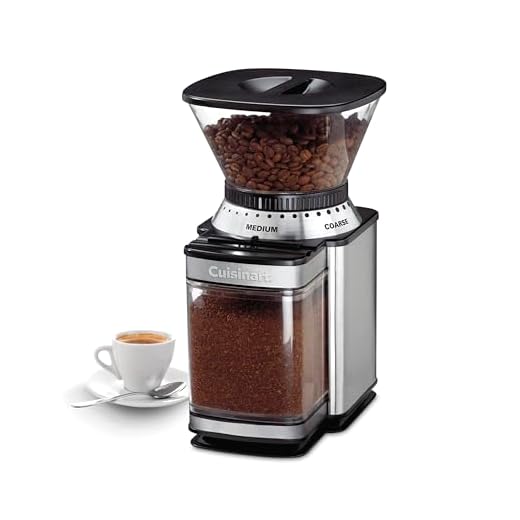
The Cuisinart 18-Position Automatic Burr Coffee Grinder mentioned is tempting — the article covered features well but I was hoping for a deeper comparison between the Cuisinart and the OXO matte black conical burr.
Specifically: which is better for a family that brews both French press and drip daily? Anyone with hands-on experience?
Also, small note: the Maestri House scale seems perfect for espresso dosing but is it accurate enough for pour-over timing and bloom control?
I have the Cuisinart in a household with 4 coffee drinkers — does everything well. Not super precise for espresso, but great for batch brews and easy to use.
Good question, Hannah. Short answer: Cuisinart has more grind settings and is great for households that want variety (it’s user-friendly). The OXO Matte Black Conical Burr tends to be more consistent at finer grinds and is better if espresso is a priority. For a family doing mostly French press and drip, Cuisinart is a solid, flexible pick.
About the Maestri House scale: it’s rechargeable and compact, and accurate enough for pour-over work. If you want sub-0.1g precision for pro espresso practices, you’d look at lab-style scales — but Maestri is excellent for home use.
Also remember to clean burrs periodically — consistency drifts if you don’t. Article’s troubleshooting section covers that.
Thanks everyone — super helpful. I might go Cuisinart for convenience and get a small scale like Maestri for espresso experiments.
Cuisinart = family-friendly. OXO = smol precision. Choose your vibe 😄
The section ‘Grind Sizes and Brew Methods’ is gold. Been agonizing over grind settings for espresso and got it dialed much faster. Quick question: for espresso I settled at a slightly coarser setting than recommended and it’s better for my beans — is that normal? Beans, roast level, and machine all change the ideal grind, right?
If anyone wants, post your shot times, dose and grind setting and we can help interpret.
Exactly. Roast level, bean origin, freshness, and machine pressure all influence the ideal grind. Start with the recommended range, then tweak by the shot time and taste. If coarser gives you better extraction for your setup, stick with it.
Also remember tamping pressure and dose — they interact with grind a lot. Small changes compound fast.
Yep — my darker roasts needed a hair coarser setting than medium roasts. Trial and error is part of the fun.
I’m taking notes. This whole dialing-in thing is a rabbit hole, but a delicious one 😄
Anyone tried the Amazon Basics Electric Coffee and Spice Grinder for daily use? I keep reading it’s cheap and efficient but worried about heat and uniformity for drip vs espresso.
Would love opinions from folks who’ve used it regularly.
I use the Amazon Basics for my French press when I’m lazy. Tip: grind in short bursts and let it cool between to avoid overheating the beans.
Also, for spice grinders, smell transfer can be an issue. If you ever grind spices in the same unit, give it a deep clean before coffee.
The Amazon Basics grinder is a decent blade grinder for quick jobs (and great value). It tends to create a mix of particle sizes and some heat. For espresso or serious pour-over consistency, a burr grinder (like the OXO or Cuisinart) is recommended. For occasional use or cold brew, it’s ok.
I used a blade grinder for a while — it does the job for cold brew or if you’re on a budget. But if you care about clarity in pour-over, upgrade to a burr. You can still get good results with careful pulse grinding.
Short and sweet: this article made me actually care about grind size. Who knew?! 😂
Also — typo spotted on the ‘Pick a Grinder’ header (extra space) but no biggie. Loved the Bodum pour-over mention — thinking of getting one.
Bodum is cute and functional. If you want paper-filter clarity, though, consider pairing with a burr grinder that can do medium-fine.
Thanks for the catch, Olivia — we’ll fix that spacing. The Bodum pour-over is a solid, stylish option and pairs nicely with medium-coarse grinds.