Master Your Pour: Quick Electric Kettle Tips
Start Here: Why Your Pour Matters
A steady pour can change everything. You can lose half the taste with a ragged pour. It hides bright notes. It dulls the cup. Small moves shape big flavor.
This guide cuts to the bone. It gives clear steps. You will learn which kettles work best. You will learn how to hold the kettle. You will learn how to fix common faults. Read. Try. Repeat. Practice will sharpen your hand.
You will gain control. You will pour with calm. Your cup will reward the care. Start small. Build skill. Enjoy the results every day.


Master Free Pour Techniques: Expert Bartending Tips
Pick the Right Kettle for Your Pour
Spout and control
You need aim. A gooseneck spout gives it. It lets you start slow. It lets you speed up. It keeps a steady stream. Look for thin, precise lips. Try the kettle in your hand. Tilt it. Feel the flow.
Temperature vs. simplicity
Decide if you want set‑and-forget heat. Digital kettles hit exact degrees. They help with green tea and pour‑over recipes. Simple kettles heat fast and cost less. If you brew many teas, get temp control. If you make quick coffee, a simple kettle will do.
Power and capacity
Wattage matters. More watts boil faster. A 1500–1800W kettle beats 1000W on speed. Check capacity next. Don’t boil more than you use. If you pour one cup, a 0.8–1.0 L kettle is plenty. If you host, choose 1.5–1.7 L.
Build and feel
Pick a handle that fits your grip. It must sit balanced when full. Stainless steel lasts. Lightweight metals heat quick. Glass shows the water level but breaks easier. Ceramic looks sweet but gains weight.
Quick model notes
Buy smart
Set a budget. Buy less, buy well. A good spout and a good handle beat shiny extras. Test the pour. If the kettle flows like a stream, you will learn fast.
Next, we’ll tune the heat for taste.
Master Temperature: Heat for Taste
Why heat matters
Heat changes flavor. You can coax chocolate notes or pull out bitter tannins. You can mute acids or make them bright. You want control. You want repeatable cups. Aim for ranges, not guesswork.
Targets to know
Memorize these ranges. They fit most brews.
Read the water
Watch the bubbles. Tiny, fast ones mean about 70–80°C. Bigger, rolling bubbles mean 90–96°C. A loud, full boil hits 100°C. Listen for the hiss as the kettle nears rest. The sound tells you what you have.
How to hit the mark
Use the kettle’s temp control or a pocket thermometer. No probe? Bring to a full boil, then wait. Rough guide: 20–30 seconds off the boil brings you near 95°C. Wait 45–60 seconds for low 90s. Try. Time a few pours. Keep notes on temp, time, and taste.
Next, you’ll set up your tools so your pours match those temps every time.
Set Up Your Station: Tools and Workflow
Layout and flow
Place the kettle close to the dripper. Face the spout toward the centre of your work. Set the grinder, scale, cup, and timer in one line. Fewer steps. Fewer spills. You want a single smooth motion from grind to pour.
Scale, timer, grinder
Use a scale that reads 0.1 g. Use a simple timer or the one on your phone. Grind just before you brew. A coarse, even grind helps a steady pour. Good, affordable grinders: Baratza Encore for home ease; Timemore Chestnut for a compact, crisp grind. For scale: Acaia Pearl for speed, or a cheap digital scale if you’re on a budget.
Prep the gear
Measure by weight, not by eye. Rinse paper filters to remove paper taste. Pour hot water through the dripper to warm it and your cup. Dump that rinse water into the sink or a mug. Keep a spare spoon or paddle for stir backs.
Clean workspace, steady pour
Wipe spills as you go. Clear crumbs and grounds after each brew. You move faster with tidy space. That steadiness makes your pours repeatable. Next, learn how to hold the kettle and shape the flow for perfect extraction.
Nail the Pour: Grip, Angle, and Flow
Grip and stance
Hold the kettle with a loose but firm grip. Let your fingers curl. Rest your thumb on the top of the handle. Keep your wrist steady. Keep your elbow near your side. Small moves beat big swings. On a slow morning, you will notice the difference.
Angle and spout
Keep the spout low and close to the bed of coffee or tea. A low spout gives control. Tilt the kettle to start a thin stream. Tilt more to speed up. Tilt less to slow down. Use a gooseneck for fine control — think Fellow Stagg or Bonavita for a clean, steady stream.

Flow and rhythm
Start small. Pour a little water into the center to bloom coffee. Move in slow circles. Keep the stream thin. Aim; don’t spray. Alternate steady pours with short pauses. That builds even extraction. Adjust flow with tilt, not with jerks in your arm. For tea, use gentle pulses to lift leaves and free the oils.
Practice the motion. Count your pours. Feel the speed. You will gain a feel for flow and speed.
Simple Recipes and Pour Schedules
Coffee: a basic map
Start with a ratio. Use 16 g coffee to 256 g water (1:16). Bloom with 40–50 g water for 30–45 seconds. Then pour in slow concentric circles. Aim for a total brew time of 1:15–1:30. Keep the stream thin. Pause when the bed looks even. If your timer runs long, grind finer. If it ends too fast, go coarser.

Gear notes
Use a Hario V60 for bright, clean cups. Use a Kalita Wave for steadier, more forgiving pours. Use a Chemex if you want a crisp, clear brew that holds up to milk. Each shape asks for a small tweak in pour speed.
Adjust for strength
Want a bolder cup? Move to 1:15. Tighten the grind one notch. Want it lighter? Try 1:17. Change one thing at a time. You will learn faster.
Tea: temp and time
Green tea: 75–80 °C. Steep 1–2 minutes.
Black tea: 95–100 °C. Steep 3–5 minutes.
Oolong: 85–95 °C. Steep 2–3 minutes.
White: 70–80 °C. Steep 2–3 minutes.
Quick step-by-step
Write the steps down. Repeat them. Small changes reveal big shifts in the cup.
Care and Cleaning: Keep the Kettle True
Daily rinse and wipe
Rinse the spout after each use. Let water run through until clear. Wipe the base and handle with a damp cloth. Do this while the kettle cools. It takes a minute. It saves time later. I once left a kettle unwashed for weeks and the pour slowed to a crawl. You will avoid that.
Descale simply
Do not wait for heavy scale. Descale when you see white flakes. Use white vinegar or citric acid.
Vinegar method:
Citric acid method:
Never soak the electric base. Unplug first. Rinse well after descaling.
Check parts and replace small bits
Look at the lid, spout, and mesh filter. Remove and clean the screen. Check gaskets for cracks or stiff rubber. Replace worn gaskets. Many brands sell spare filters and seals. A new gasket fixes leaks you might otherwise chase for hours.
Quick care checklist
A small habit now keeps your kettle pouring true. If something still acts up, the next section shows how to troubleshoot like a pro.
Troubleshoot Like a Pro
Find the fault fast
You notice a problem. You act. Start small. Change one thing. Taste. Repeat. Small fixes give big wins.
Pour too fast
Try a finer grind. Lower the spout height. Slow your wrist. If you use a gooseneck like the Fellow Stagg EKG or Brewista Artisan, aim lower and pour in circles. If you still rush, cut the pour time by half and note the change.
Coffee tastes thin or weak
Raise the dose by 0.5–1 g per cup. Slow the pour and let the bed bloom longer. A Bonavita 1.0L handles steady pours well when you need calm control.
Coffee tastes bitter
Drop the temp 5–10°F. Pour a touch faster to shorten contact time. If bitterness persists, grind coarser and test again.
Kettle sputters or won’t heat cleanly
Descale now. Check the element for scale or damage. If the kettle still sputters, consider a replacement with sealed element like the Fellow Stagg or Breville BKE models.
Spout drips
Wipe the lip after each pour. Remove mineral film from the spout tip. Dry the lip before the next session. A clean lip stops the drip.
Temp control drifts
Use an instant-read thermometer (ThermoPro TP03 or Thermapen Mk4). Heat to a set point. Measure the water. Adjust your setpoint or habits if the kettle runs hot or cool.
Keep notes
Write what you change and what you taste. Date it. You will build a map of fixes that work. Move on to the final steps.
Pour with Purpose
You can shape your brew. With the right kettle and steady hand you will see change. Practice one move at a time. Note what works. Heat to taste. Hold the pot low. Pour slow. Find rhythm. Adjust flow, angle, and time. Small shifts make clean cups.
Care for your gear. Clean it. Fix faults. Keep short notes after each brew. Test one change per session. Taste with focus. Learn the path from water to cup. The kettle will reward you with fewer mistakes and truer flavor. Pour. Taste. Learn. Do it again. Share your results often online.
 Previous Post
 Next Post
Love the step-by-step on grip and angle — finally feel like I’m doing pour-overs, not just pouring hot water 😅
Quick notes from my side:
– Using a Bodum 27oz gooseneck and the Maestri scale helped me get consistent pours.
– The Master Temperature section saved my light roasts (85°C FTW).
– One dumb mistake I made: I wasn’t rinsing my dripper first, huge temp drop. Doh.
Thanks for the clear schedules — bookmarked!
Ethan: I usually aim for a 3:00–3:30 total brew time for a 16:250 ratio. Pours in 30–45s pulses. Maestri timer + scale = magic ✨
Nice — I’m surprised how much the Bodum’s thin gooseneck improves control. What flow rate are you aiming for on the Maestri timing?
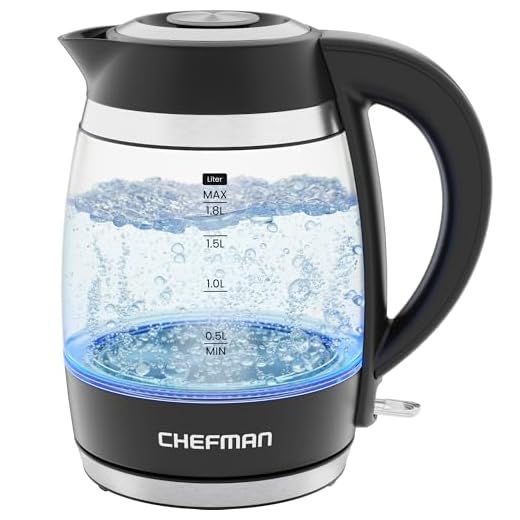
Also worth noting: if you’re switching to a glass kettle like the Chefman 1.8L, preheat it longer — glass loses heat faster than metal.
If you want a slightly fuller body, try extending bloom by 10–15s or slow the pour a touch during mid-brew. Glad the kettle+scale combo is working!
So glad it helped, Maya! Rinsing the dripper is a tiny step that makes a huge difference. If you ever want, share your favorite pour schedule and we can tweak it together.
Totally agree on the rinsing. I used to skip it and my results were inconsistent. Great tip!
Really liked the ‘Set Up Your Station’ and ‘Nail the Pour’ sections. Practical stuff that isn’t just fluff.
Question for the community: for a light roast Ethiopian (16g coffee), what pour schedule are you using with a Bodum vs COSORI? I’m trying to nail clarity without over-extracting. I’m experimenting with 30s bloom at 30g water, then pour in 3 pulses to 250g total, but results are a bit sour.
Could be grind, temp, or flow — any recommendations? Also, is the Maestri scale worth the splurge for the timing accuracy?
For Ethiopians I usually suggest: longer bloom (45s at 30–40g), slightly lower temp (88–90°C), and slower mid-brew pours. Try pulses that are gentler (smaller pours more frequently) to improve sweetness. Maestri scale is solid if you want consistent repeatability — worth it if you’re dialling in seriously.
If you’re using the COSORI presets, manually adjust temp down from the default. Bodum lets you be more hands-on with hand pouring. Maestri is clutch for me — being precise with grams+time removed a lot of guesswork.
I had the same sourness, Marcus. Fix was lowering temp by 2–4 degrees and slightly coarser grind. Also try extending total brew time to 3:30–3:45.
The Maestri pocket scale is pretty reliable. If you prefer a single device for weight + timer it’s convenient. Some cheaper scales have lag on the timer or poor sensitivity — if precision matters, go Maestri.
Thanks all — gonna try 88°C and 45s bloom tomorrow. Will report back. Also, debating Maestri vs generic scale: anyone had issues with the pocket espresso scale’s timer being finicky?
Anyone used the GoveeLife 1.7L Smart WiFi kettle for tea instead of coffee? Thinking of getting one because I like preset temps for green vs black tea, but worried the gooseneck flow might be too slow for big leaves?
Also, does WiFi control make it more annoying to clean (electronics + limescale)?
I use the Govee for tea! Big leaves are okay, just open the infuser or pour directly into a wide pot. The WiFi part hasn’t made cleaning worse. Just don’t dunk the electronics, and you’re fine.
GoveeLife is great for tea presets — I use it for delicate greens. The gooseneck is fine for teapots, just pour slower. For cleaning, you won’t need to touch electronics if you follow the manual: descale with vinegar solution and avoid submerging the base. Works fine long-term.
Short and sweet: the COSORI 0.8L with presets is my lazy Sunday hero. Presets hit 94°C for my beans and the gooseneck is decent enough.
Also lol at the ‘pour with purpose’ line — made me feel very judged by my morning coffee habits.
Ava: Ooh phone control sounds tempting. Does the WiFi kettle keep temp well between pours?
COSORI is great value. If you ever want to try a smarter option, the GoveeLife WiFi kettle lets you set exact temps from your phone — nice for busy mornings.
Jonah: Yes, it has a keep-warm feature that’s decent. Not perfect for hours, but for 30–60 mins it’s fine.
Haha — we’re all judged by our pours here 😆 Glad the COSORI presets are doing the job. If you want better manual control, the Bodum or GoveeLife gives more fine-tuning.
Good article. I appreciate the cleaning section — I ruined a kettle once by using citrus cleaners that corroded the inside. If you have a glass kettle like the Chefman with an infuser, stick to vinegar + baking soda for decalcifying. Also, the troubleshooting tips saved me when my kettle wouldn’t reach temp (it was a scale build-up).
Great roundup! A couple of quick pro/cons from my experiments:
– Bodum 27oz: superb pour control, compact.
– COSORI 0.8L: budget-friendly, presets ok but hand control is limited.
– Chefman 1.8L Glass w/ Infuser: gorgeous for visuals and tea; heat retention not the best.
I’m torn between getting the GoveeLife for phone control vs sticking with Bodum for pure pour feel. Any thoughts on which gives the most repeatable coffee results? Also curious about durability — anyone had long-term issues with the Chefman high-power glass kettle?
Repeatability: Bodum + Maestri scale = very repeatable if you’re manual. GoveeLife offers convenience and consistent temps if you like automation. For longevity, avoid leaving water in glass kettles overnight and descale regularly; Chefman glass is fine if treated gently.
I had a Chefman glass for 2 years with no issues. Just don’t slam it on a cold countertop after boiling 😉 The Bodum still gives me the best control for pour-overs though.
Thanks! Might get the Bodum first and upgrade to a smart kettle later. Cheaper to practice pouring before buying all the gadgets.
Elite Gourmet touchscreen looks fancy but those smudges tho — my toddler could write a novel in fingerprints. 😂
Jokes aside, is the touchscreen worth it over something simpler like the COSORI? I’m not into wifi but like precise temps.
Touchscreen = nice UX but not essential. If you want precise temps without WiFi, Elite Gourmet or COSORI presets both work. Elite gives a sleeker interface; COSORI is simpler and cheaper. Choose based on how much you value the look and tactile controls.