Nail Your Shot: Tamper Tips and Tools
Close the Gap: Why Tools Matter
You want a great shot. Bad tamping ruins it. A small tilt can steal crema. A clumsy press makes channels. The right tools close that gap.
A tamper is simple. But it changes your coffee. It steadies your hand. It gives you repeatable pressure. It makes the puck uniform. That alone lifts your shots.
Add a few smart accessories. A calibrated tamper, a leveler, a shot mirror. They teach you what to feel. They show you what the puck tells you. This guide will make tamping less guesswork and more craft.
You will learn simple moves, the right tools, and how to read shots with a mirror. Start here. Let’s tamp like a pro.


The Ultimate Tamper Showdown: Which Style Wins?
Why Tamping Shapes Your Shot
Tamping controls the flow
You press the grind into a firm bed. That bed decides how water moves. Tight and even. Water meets coffee evenly. If it does not, it finds paths of least resistance. Those paths are channels. Channels make parts of the puck brew too fast. Those parts taste sour or thin. Other parts brew too long and taste bitter. Tamping fights that. It brings balance.
Dose and grind are partners
Tamping helps. It does not fix bad dose or grind. If you underdose, the puck sits thin. Water races through. If your grind is too coarse, no amount of tamp will slow the flow. Start by weighing your dose. Set your grind so a double yields the flavor you want. Then use tamping to lock that dial in. Think of tamping as the final act, not the rescue.
Small moves, big results
Small changes matter. Aim for a straight tamper. Even a slight tilt—one to three degrees—can start a channel. Press steady. Many pros use about 30 pounds of force. You do not need to guess. Find a pressure that feels repeatable. Lock it into muscle memory.
Try this quick drill:
What a good puck looks and feels like
A good puck tells you its story. Learn to read it with touch and sight.
After a shot, the puck should come out in one piece. If it crumbles or shows a tunnel, review tilt and distribution.
Practical tip you can try now
Weigh your dose. Mark the tamper height on the portafilter handle. Pull three shots with the same routine. Note differences in time, taste, and puck. Small tweaks in pressure, distribution, or tilt will show up fast. Keep the changes tiny. Watch how the flavor moves with small steps.
Pick the Right Tamper for Your Portafilter
Diameter and fit
One tamper does not fit all. Measure your basket. Use calipers or a ruler. Most commercial baskets use 58 mm. Some home machines use 51 mm or 54 mm. Your tamper should match within 0.1–0.3 mm. Too small and water will hug the rim. Too large and you can damage the gasket or basket.
Base shape: flat vs convex
Flat bases give full contact. They suit modern, precision baskets. Convex bases touch first at the center. They can hide a slight tilt and help in older or worn baskets. Pick flat for predictability. Pick convex if you chase a softer finish or your baskets are uneven.
Handle, weight, and feel
Buy a handle that fits your grip. Short and wide for a palm press. Tall and narrow for a wrist press. A heavier base helps. It steadies motion and reduces fatigue. You still need consistent force, but weight makes it easier to repeat.
Material and finish
Stainless steel lasts. Brass gives a satisfying heft. Aluminum cuts weight and cost. A polished finish sheds grounds and cleans fast. Matte finishes hide scratches but hold coffee dust. Choose what feels right in your hand and what will survive daily use.
Calibrated or weighted tampers
Calibrated tampers click at a set pressure. They force repeatability. Use one when you train or when you need shot-to-shot sameness. You can rely on muscle memory. A calibrated tool buys consistency. It is not a cure for bad dose or grind.
How to check fit
Drop the tamper into the empty basket. Spin it. It should not rock. Press a puck and check for rim gaps. Inspect the edge; no slivers of uncovered metal. Pull a test shot. Look for even extraction times and a clean puck.
Budget picks vs splurges
For starters, choose a solid stainless tamper from Rattleware or Motta. They work. Spend more on Reg Barber, Espro, or a custom milled tamper when you want comfort, fit, and finish. Buy the best tamper you will use every day.
Next, you will learn the simple moves that turn a good tamper into a great tamp.
Tamping Technique: Simple Moves, Solid Shots
You just picked the right tool. Now you need the moves. Good tamping is steady. It is repeatable. It is simple. Do the same steps every time.
A short routine you can repeat
Use this six-step routine. Practice it until it feels calm.
- Dose to the basket. Tap the side once to settle grounds.
- Distribute. Use your finger, a straight edge, or WDT to remove voids.
- Level the bed. Sight across the basket. Fix low spots.
- Tamp straight down. Keep the tamper level. Stop at the same height.
- Optional polish. A light spin or none at all.
- Clean the rim. Wipe stray grounds before you lock in.
Grip and body position
Stand close. Plant your feet. Hold the tamper like a hammer. Press with your wrist and forearm. Keep the tamper axis aligned with the group head. If your wrist leans, your tamp will lean.
Pressure cues you can trust
Aim for a feel, not a number. Many baristas train to about 30 lb. You can learn that on a bathroom scale. But you can also use simple cues:
Train with a calibrated tamper or scale once. Then trust your muscle memory.
Polish or skip?
A light polish stroke can smooth the surface. One to two half-turns only. Polishing is not a last fix. It only tidies what you have already done. Too much spinning can break the seal. Keep it gentle.
Common errors and quick fixes
Tilted tamp — uneven puck, fast channeling. Fix: dump and re-dose. Redistribute before tamping again.Too light — fast shot, sour. Fix: add firm, steady pressure next pull.Rim crumbs — leaks and spray. Fix: always wipe the basket lip.Twist-and-turn — broken seal. Fix: tamp straight down. No torque.
Practice this routine. Repeat it under pressure. It will become second nature.
Accessories That Make Tamping Foolproof
You can speed the learning curve. The right tools keep you honest. They cut waste. They guide your hands. Here are the ones that matter and how to use each.
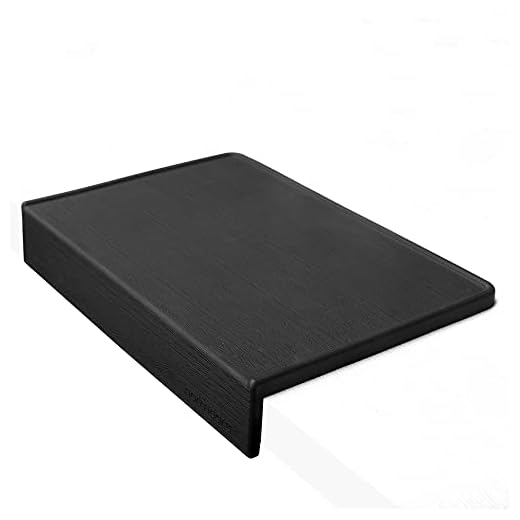
Tamping station and mat
A station holds the portafilter steady. It gives a repeatable height and a flat plane to tamp into. A mat protects your counter and stops the portafilter from slipping.
How to use:
Real point: less wobble, fewer dumps.
Distribution tools and WDT
You want an even bed. Use an OCD-style distribution tool or a WDT (needle stir) tool to break clumps and level the surface.
How to use:
Quick tip: a calm distribute cut your channeling and makes shots steadier.
Dosing funnel
A dosing funnel keeps grounds off the bench. It saves cleanup. It prevents excess grounds from sticking under the basket.
How to use:
Pick a funnel that matches your basket size (e.g., 58 mm).
Calibrated tamper
A calibrated tamper clicks or stops at a set force. It trains you to one pressure. It takes the guess out of early practice.
How to use:
Brands like Pullman and Espro make robust calibrated models. Use one until your feel is steady.
Scale and timer
Fine control needs numbers. A precision scale (Acaia Pearl or similar) reads to 0.1 g. A timer shows flow. Together they make shots measurable.
How to use:
Chase consistency. Then chase taste.
Puck screen and group-head brush
A puck screen evens flow and keeps the shower clean. A brush clears the group head before and after the pull.
How to use:
Small moves. Big gains.
Pick one or two of these tools. Practice with them. Then strip back if you must. Next, you’ll learn how to read the shot itself with a simple mirror.
Use the Shot Mirror to Read Your Extraction
A shot mirror shows the flow. You set it under the portafilter. You watch the stream. It tells you fast and clear what the puck did.
Set it up and watch
Slide a mirror under a locked portafilter. Use one sized to your basket (most are 58 mm; check yours). Start the shot. Watch from the side. Note when the first drops appear. Note how the color shifts as the stream comes.
What to look for:
Read the signs and act
If you see thin jets or multiple rivulets, you are likely channeling. If the stream turns blond too soon and pours fast, grind finer or tamp firmer. If the shot crawls or clogs, go a touch coarser.
Quick rules:
A real moment: you’ll catch a split stream on a busy morning. You fix the distribution and the next shot creams into a single ribbon. The difference is loud.
Use a mirror-polished tamper base
A polished tamper shows the puck as you press. Brands like Pullman and Espro offer bright, flat bases. The shine reveals ridges and high spots. You see an uneven edge. You feel it. You correct with a slight twist or a relift.
This trick saves pulls. It cuts blind tamping. It makes the puck honest.
Care and quick tests
Keep the mirror clean. Wipe with a soft cloth. Avoid abrasive cleaners. Test in a minute:
Stainless mirrors last longer and resist haze. Acrylic is cheap but skates scratches and warps.
Now you have a tool to read the shot. Use what you see to tweak grind, distribution, or tamp. Then move to the last step: Practice, polish, repeat.
Practice, Polish, Repeat
You will not nail every shot right away. Start with the right tamper and tools. Keep your stance steady. Use the shot mirror. Read the flow. Taste each change. Practice in short sets. Focus on one tweak at a time. Note what works. Make tiny adjustments.
Slowly build a routine. Polish your technique. Repeat the cycle. Trust your senses and the machine. Stay patient. Keep it simple. Keep it steady. When you pull a great shot, savor it. Try again. Share what you learn. Record your wins. Let the coffee teach you. Repeat and improve daily always.
 Previous Post
 Next Post
Bought the Food-Safe Silicone Espresso Tamping Mat and Station after reading the accessories section — instant kitchen upgrade. No more espresso crust on my counter and the station keeps things tidy.
Also bought the Calibrated 51mm tamper and the five-needle distributor. The combo honestly cut down my messy shots and made pulling consistent shots quicker.
If you’re on the fence: start with the mat/station, then add the distributor. The calibrated tamper is the cherry on top if you care about consistency.
Curious — which distributor did you get? The walnut stand one? Looks slick but pricey.
Thanks, Daniel — can you comment on how quickly you saw improvement after adding the distributor?
Awesome workflow, Daniel — that’s exactly the progression we recommend in ‘Accessories That Make Tamping Foolproof.’ Glad it’s working for you.
This is basically my path too. Mat first — saves you time and annoyance, then do the rest when you can. 😅
Quick shout: the Five-Needle Espresso Distributor with Walnut Stand looks fancy but does it actually make tamping foolproof? I kinda like the idea of the Food-Safe Silicone Espresso Tamping Mat and Station for messy mornings. Anyone compared the two?
They solve slightly different problems. The five-needle distributor helps level and aerate the puck before tamping (great for consistent distribution), while the silicone mat/station is about stability and protecting counters. Using both is ideal if you want a near-foolproof workflow.
I bought the distributor after reading the article. My tamping ritual feels more… zen now. lol
Agree with Ethan. The distributor + mat combo = less stress during morning rush. Worth the spend if you care about consistency.
I have both. Distributor makes a real difference for me — fewer blind shots. The walnut stand is just extra nice to look at. Mat is mandatory though, saves a lot of cleanup.
Short question: how durable is the Calibrated 51mm Coffee Tamper with Wood Handle? I want one but worried about the wood splitting over time. Any long-term owners here?
I’ve had a wood-handled tamper for 2 years and it’s fine — I oil it every few months and wipe it dry after cleaning. No splitting so far.
If it’s a quality wood handle and you avoid leaving it wet, it should last years. Regular oiling (like food-safe mineral oil) helps. If you’re roughing it daily in a cafe, stainless or full-metal might be more durable long-term.
Loved the ‘Pick the Right Tamper’ breakdown — finally something that explains why size and calibration actually matter.
I was wavering between the Calibrated 51mm Coffee Tamper with Wood Handle and the 51mm Stainless Steel Espresso Tamper with Wood. The article pushed me toward calibrated ones for consistency.
Tried the calibrated tamper this weekend and my shots improved — more even extraction, fewer channeling streaks.
One thing I’d like more of: how to adjust technique if your machine has a slightly wider basket (I have a semi-pro with a 52mm basket). Anyone else deal with that?
Also, shoutout to the section ‘Use the Shot Mirror to Read Your Extraction’ — game changer.
If your basket is 52mm you can sometimes shim with a paper towel or use a slightly smaller tamper and distribute more. But ideally get a tamper that matches — calibration helps if you’re doing lots of shots. 👍
I had the same issue, ended up with a 52mm tamp and it fixed the problem. Shimming felt like a bandaid lol.
Great point, Sarah — the article briefly touches on mismatched baskets in ‘Pick the Right Tamper.’ For a 52mm basket your best bet is a 52mm tamper; using a 51mm calibrated tamper can work with careful distribution but isn’t ideal long-term. We’ll add a small note about shimming vs. buying the right size.
Longer post because I actually tested a few setups and wanted to share results:
1) Starter: just a cheap stainless tamper + no station — shots were OK but inconsistent.
2) Add the silicone mat/station — stability and cleanup improved immediately. Felt calmer when tamping.
3) Add the Five-Needle Espresso Distributor with Walnut Stand — puck prep got noticeably better, fewer channeling problems.
4) Swap to the Calibrated 51mm Coffee Tamper with Wood Handle — consistency between shots became predictable.
Bottom line: invest in the mat first, then distributor, then calibrated tamper. The article nailed the order of operations. Also the shot mirror helped me diagnose a recurring channeling spot that I fixed with a small change in distribution technique.
Nice testing — curious what machine you use and which basket size? Might help others replicate your results.
Thanks for the order of operations — that’s the actionable bit I needed. Did you use the walnut stand version of the distributor or a cheaper model?
Fantastic breakdown, Laura. Love the stepwise testing — that’s exactly the kind of user feedback that helps others build a sensible toolkit.
Lol I used to think tamping was just about ‘press hard and pray.’ This article actually made me feel like less of a barbarians. 😂
Shot mirror? Wtf is that — and yes I bought one within 2 hours of finishing the article.
Pro tip: practice your pressure on an empty portafilter to get muscle memory. The ‘Practice, Polish, Repeat’ section is 100% accurate.
Also, for those wondering — the wood-handle tampers feel nicer in hand but keep an eye on moisture if you dunk them a lot (wood expands).
Who else here talks to their tamper while tamping? 🙋♂️
Haha talking to tampers should be a thing. Thanks for the moisture tip on wood handles, hadn’t thought of that!
I do the same, but I whisper ‘not you today, channeling’ every attempt 😂
Totally — practice on empty portafilter builds consistent wrist action. Also do short bursts rather than one weird long press.
I sing to mine. It helps. 🎶
Love the honesty, Ethan. The shot mirror is a tiny tool that lets you watch the espresso flow from the spouts to spot channeling early. And yes, wood handles are great ergonomically but treat them like any wood kitchen tool (dry them off, avoid prolonged soaking).
Some constructive feedback: the ‘Tamping Technique: Simple Moves, Solid Shots’ section was helpful but felt a little light on step-by-step visuals. For absolute beginners a basic set of numbered steps or a quick sequence photo/gif would help. Also, is calibrated tamper necessary if you’re only making 1–2 espressos a day?
Thanks, Priya — we hear you on visuals. We’ll look into adding step-by-step images or a short clip. Regarding calibrated tampers: if you’re casual (1–2/day) a good non-calibrated 51mm tamper can do the job, but calibration removes guesswork and keeps pressure consistent if you want repeatability.
For 1–2 a day I used a regular 51mm stainless tamper for years and was happy. Switched to calibrated when I started serving guests more often — made the consistency obvious.