Stop Cold Tea: Choose the Right Warmer
Keep Your Tea Hot, Keep It Right
You want warm tea. Cold tea kills the moment. A good warmer fixes that. It keeps heat. It saves flavor. It lets you sip slow. It fits your pace. It is simple. It is smart.
This guide shows how to choose the right warmer for your cup, mug, or teapot. You will learn types, how they work, and what features matter. You will learn setup tips and care. You will get clear rules to match warmer to vessel and tea. Read this and keep your tea hot. Enjoy every cup. Make the right choice and your cup will stay warm through reading, work, or slow talk with a friend. Every single time, always.
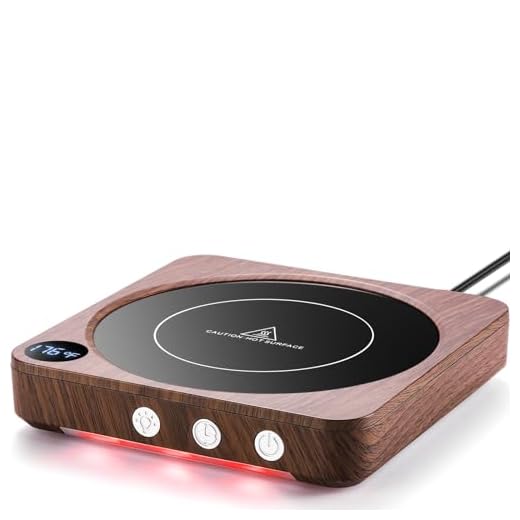


Top 5 Tea Warmers You’ll Love in Any Season
Types of Warmers: Pick What Fits
Mug and Beverage Warmer Pads
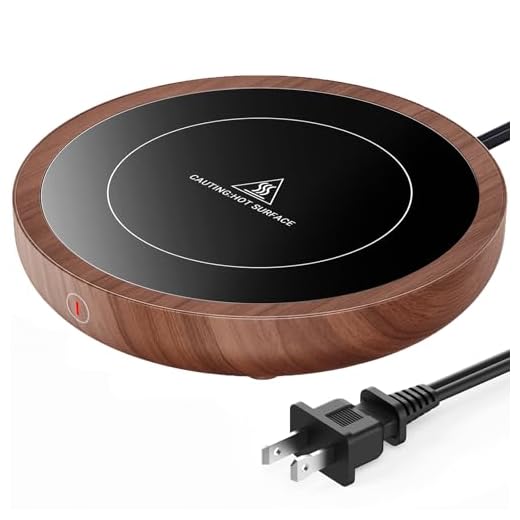
A flat pad that plugs in. You set your mug on it. It holds heat at a low, steady temp. It is cheap and simple. It fits desks and nightstands.
Pros:
Cons:
Good picks: Mr. Coffee Mug Warmer, Cosori Mug Warmer.
Smart Heated Mugs
A mug with built-in heat. It keeps a set temp. It pairs with an app. It fits people who sip slowly at a desk.
Pros:
Cons:
Teapot Warmers (Candle and Electric)
A stand lifts your pot. A tealight or hot plate sits below. It keeps the whole brew warm. It fits the table. It shows well with guests.
Pros:
Cons:
Travel and Insulation Options
Thermos and insulated cozies do the job without power. Good for hikes, commutes, and long meetings. They do not “warm” but they keep heat.
How you brew and where you drink decide the right type. Next you will learn how each warmer delivers heat and what controls and safety to watch for.
How Warmers Work: Heat, Controls, and Safety
How heat reaches your tea
You need to know the path heat takes. Hot plates sit under the mug or pot. They heat by contact. They run at low wattage to avoid boiling. Induction warmers use magnetic fields. They heat only metal. They are fast and precise. Candle warmers use a tealight. They give soft, slow heat and a warm glow. Each method feels different in use. A hot plate will keep a ceramic mug warm all afternoon. A candle will warm a small teapot during a quiet dinner.
Controls and sensors
Some warmers have simple on/off switches. Others give you a dial, digital temp, or timer. Smart warmers hold a set Celsius or Fahrenheit. Weight or magnetic sensors cut power when the cup is gone. Tip: if you want a set-and-forget, pick a timer or auto-off model.
Safety features to look for
Check for these. They stop burns and fires.
Quick checks before you buy or use
Look at wattage. Lower wattage means gentler heat. Match the plate size to your pot. For induction, buy a magnetic base or ferrous mug. Never use cracked ceramic on a hot plate. Keep cords clear from spills. Don’t leave candle warmers unattended. If a warmer smells of melting plastic, unplug it and inspect it.
Real use tip: pre-warm the pot with hot water. The warmer then has less work. You keep more tea. You avoid cold sips.
Match Warmer to Tea and Vessel
Match heat to tea type
Not all tea wants the same warmth. You brew green tea low and light. It loses nuance if it’s too hot. Black tea takes more heat. Oolong sits between. Set the warmer low for green. Choose medium or high for black. If you like jasmine or white tea, lean cooler. If you like Assam or English breakfast, a bit hotter keeps the mouthfeel.
Pick by vessel material and size
Thin glass heats and cools fast. It shows the tea. But it also loses heat fast. Ceramic mugs hold warmth longer. Heavy clay teapots store heat for more pours. Metal conducts quickly. Induction works well with metal. Match plate size to pot base. A small plate under a large pot wastes power and gives uneven heat.
Practical pairings and quick rules
Use a small USB mug warmer at your desk for one cup. Use a larger hot plate for a teapot. If you want multiple pours, pre-warm the pot with hot water. The warmer then keeps the whole batch, not just the last cup.
Real-life tip: at a meeting, a small USB warmer keeps your mug at a drinkable temp without scalding. At home, a wide hot plate keeps an 800 ml teapot warm for three pours.
Next, you will learn which features in a warmer matter most and why they change the way your tea tastes.
Key Features That Matter
Top features, ranked
Think like a buyer. Look for these first.
- Adjustable temperature control — gives you real control.
- Wide surface or plate size — fits more cups and teapots.
- Spill guards and non-slip pads — protect your mug and your counter.
- Low energy draw — saves power over a long day.
- Cord storage or tuck-away design — keeps your counter neat.
- On/off light or indicator — tells you the status at a glance.
- Simple, replaceable parts — less hassle when things wear.
- Warranty and clear support — peace of mind.

Why each feature matters
Adjustable temp stops you from killing delicate green tea. It also keeps black tea full-bodied. A wide surface means your teapot sits flat. Spill guards catch drip and slow a wipe-up. Non-slip pads stop accidents when you reach across the table.
Low power draw matters if you run a warmer all day at your desk. Look for efficient models so your bill barely moves. Cord tuck-away keeps the space tidy. An indicator light saves you the guesswork. Replaceable parts and a good warranty save time and money when a switch or pad fails.
Quick checks before you buy
A small test at the shop or a quick read of user reviews will tell you if a model lives up to its specs. Keep these checks in mind as you move to pairing and setup.
Use It Right: Setup, Tips, and Best Practices
Preheat and place
Preheat the pad for a minute before you set your cup. The pad warms the mug. The mug keeps the tea. If you put a cold cup on a cold pad, the tea chills fast. Try this at your desk. Preheat, then place your mug. The sip stays hot longer.
Cover and conserve
Keep lids on pots and cups. A lid traps steam and heat. For a small pot, that one click of the lid can add 10–20 minutes of drinkable heat. Use a cozy or tea cosy for ceramic pots. It saves energy and taste.
Keep it clean and steady
Wipe spills at once. Syrup and tea crust up and block heat. Use a damp cloth on the pad only when it is cool. Put the warmer on a flat, heat-safe surface. A wood table can scorch. Use a coaster or trivet under the pad to protect counters.
Safety and power
Turn the warmer off when you leave. Even low-watt units draw power and risk spills. Store the cord so it does not snag. If your warmer has an auto-shutoff, test it. If it does not, set a timer on your phone. Small habits stop big messes.
Quick routine you can use now
These steps take little time. They keep your tea hot and your gear safe. Next, learn how to fix common hiccups and keep the warmer working its best.
Troubleshooting and Care: Keep It Working
Quick checklist for common faults
If the pad stops heating, check the cord. Check the plug. Try another outlet. If the outlet has other devices, pull one and test. If heat is uneven, clean the pad and the mug base. If the warmer smells, unplug it. Let it air out. Do not use until the smell is gone.
Fixing the common hiccups
If the pad is cool but the light is on, wiggle the cord. If it works then, replace the cord. If the pad heats in one spot only, clean the surface. Old tea and sugar build a hard film. Use a soft cloth and mild soap. Dry well. For ceramic or glass mugs, check the base for cracks. Cracks block contact and trap heat.

Descale and dry
Metal parts gather lime in hard water areas. Mix white vinegar and water. Run a short cycle or soak the removable metal parts. Rinse twice. Let everything dry before you reassemble. Store the warmer in a dry place. Moisture breeds rust. A dry shelf keeps parts alive longer.
When to repair and when to replace
Repair small things. Replace frayed cords. Replace pads that no longer sit flat. Repair if a single part fails and parts are available. Replace when the shell cracks, the thermostat fails, or repairs cost more than a new unit. Budget plates under $25 are often cheaper to replace. Higher-end units with temperature control may be worth repairing.
A short check now saves you time later. Next, move on to the final section to choose, warm, enjoy.
Choose, Warm, Enjoy
You know the options. You know how warmers heat. You know the controls and the safety. Pick the warmer that fits your mug or teapot. Match heat to brew. Think size, power, and daily use. Choose a model you will use.
Set it up right. Read the manual. Place the warmer on a flat, dry surface. Preheat when useful. Use lids to hold heat. Clean spills fast. Test settings at low power. Replace frayed cords. Watch for hot spots. Store it safely. With a bit of care you avoid most problems. Keep your tea hot. Sit down and enjoy your cup. Try a warmer today and notice the difference with every sip. Make warmth your habit daily.
 Previous Post
 Next Post
Quick tip: If your warmer has multiple control modes (like the Compact USB with Three Temps or COSORI Digital), set a slightly lower temp than you’d think if you’re steeping delicate greens. Keeps them from getting bitter and saves battery/energy.
Also, cleaning: wipe spills right away and use the ‘Troubleshooting and Care’ tips. I fried a cheap mug warmer once by leaving a sticky lemon tea spill overnight (never again).
Good practical tip, Jason. The article’s ‘Use It Right’ section recommends lower holding temps for delicate teas — glad you emphasized that.
Those temp ranges are spot on. For readers: check your kettle too — Chefman Glass Electric Kettle with Temperature Control pairs nicely with a precise warmer for perfect pours.
Daniel — I usually set 140–160°F for Japanese greens, 165–175°F for Chinese greens. COSORI makes it easy to lock those in.
What’s your go-to temp for green tea, Jason? I use COSORI and I’m still experimenting.
Ugh been there with the lemon tea spill. That sticky residue is the worst. Lesson learned!
Long rant incoming lol —
I bought the Teabloom Silhouette Stainless Steel Teapot Warmer with Candle because I’m nostalgic for candle warmers, but the article’s safety points under ‘How Warmers Work’ were right on. Candle warmers are cozy, but they take way longer and you have to watch them.
Also, re: ‘Match Warmer to Tea and Vessel’ — my glass teapot gets hotter than my ceramic mug on the same warmer, which is counterintuitive. Anyone else see that? Maybe heat conduction + surface area? 🤷♂️
Wouldn’t recommend candle warmers for open-plan offices unless you like weird looks.
I stuck a small thermometer in both once — glass reached temp quicker but the ceramic maintained it longer. Makes sense if you’re brewing and drinking over time.
For readers deciding: if you brew once and sip over an hour, ceramic or a large-plate warmer like SWEETFULL 36W Large-Plate Coffee Mug Warmer might be best. For quick reheat or single-cup, glass + higher wattage works.
Yep, I noticed the same. My glass pot heats faster but also cools faster when removed from the warmer. If you want steady hold temps, go electric.
Great points, Mark. Candles look charming but are less consistent and require monitoring. The glass vs ceramic effect you describe is usually down to the vessel’s thickness and emissivity — thinner glass transfers heat faster to the liquid, while ceramic holds heat differently.
Whoever invented the Compact USB Coffee Mug Warmer deserves an award for late-night desk survival. 😂
But real talk — USB warmers are fine for slightly-warm, not for ‘hot’ tea. If I want actual hot, I use the KitchekShop Fast Heat Coffee Mug Warmer with Timer or the SWEETFULL 36W if I’m having a long tea session.
Also, the side note about timers in the article is clutch — saves energy and hopefully my desk plants from heatstroke.
Agree. USB = desk convenience; go for KitchekShop or COSORI if you actually want to maintain brew temps.
Totally — USB warmers are convenient but limited. The ‘Types of Warmers’ section aims to show that tradeoff between portability and power. Timers are underrated!
Really liked the breakdown of warmer types — helped me pick between the House Gem 36W Smart Mug Warmer with Display and the COSORI Digital Coffee Mug Warmer with Precise Control.
I went with the House Gem because I love the display and the higher wattage for my big travel mug. Keeps tea hot for longer while I work. A couple of notes: place the warmer on a coaster if your desk is delicate, and use the right vessel — glass vs ceramic made a surprising difference for me.
Nice — I’ve had the COSORI for a month and I love the precise temp control for green tea. House Gem’s display sounds tempting tho.
Thanks for sharing, Sarah! Great tip about the coaster and the vessel. The article’s section ‘Match Warmer to Tea and Vessel’ was meant to highlight that — glad it helped.
If anyone wants a quick comparison: House Gem = display + more power; COSORI = fine-grained temp control. Pick based on whether you prioritize power or precision.
I loved the ‘Troubleshooting and Care’ section. Helped me figure out why my SWEETFULL 36W Large-Plate Coffee Mug Warmer stopped heating properly — I had a build-up of scale and sugar gunk from specialty teas. Cleaned it gently and it’s like new.
One nit: the article could use a short checklist for setup (outlet, surface, vessel size) — a printable box would be handy. Otherwise, solid read!
Thanks, Emily — great feedback. A printable checklist is a neat idea; we’ll consider a quick ‘setup checklist’ add-on. Glad the care tips worked for your SWEETFULL.
Totally with you on the checklist idea. Even a 3-step graphic would help beginners avoid common mistakes.