Toolbox Chronicles: Own Your Dosing Funnel, Puck Screen, Knock Box
Start Strong: Own Your Tools
You brew with your hands. Small tools shape your work. Get the right funnel, puck screen, and knock box. Learn why they matter. Learn how to pick and use them. Learn how to keep them working for years.
These tools save time. They cut waste. They make shots cleaner. You dial in dose. You protect your machine. You cut noise and mess. In the pages ahead you will claim a faster pour, a neater puck, and a silent dump. Own your tools. Own your craft. Start now. Practice with care. Keep them clean and simple.
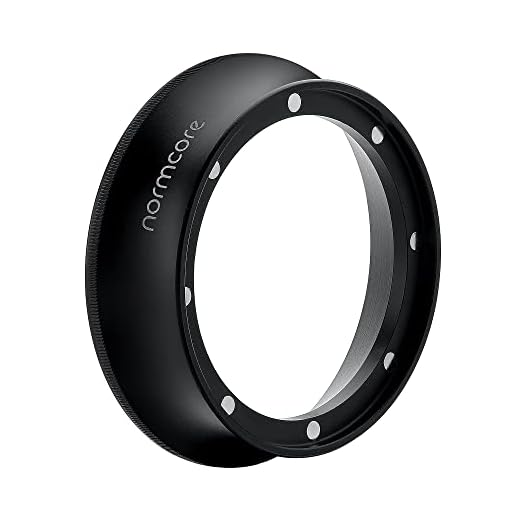


Dosing Funnel™: Mess-Free Measuring with Breville AU
Claim Your Dosing Funnel: Speed and Precision
Why a funnel matters
A funnel saves time. It keeps grounds off the counter. It guides coffee squarely into the basket. That saves you re-dosing and wiping. It helps you hit the same weight every pull. In a shop or at home, that repeatability matters.
Types and fit
Match the funnel to the basket. Size is the first rule. Common sizes are 54 mm and 58 mm. Lip shape and collar style change how the funnel sits.
Choose stainless steel for durability. Plastic cuts weight and cost. Look for a thin lip so grounds fall cleanly. A thick lip can trap fines.
When to use a funnel with a scale vs free dosing
A funnel does not replace good weighing. Use it with a scale for precision. It speeds the pour into the portafilter. It keeps the scale clean. Use scale + funnel when you chase grams or tweak dose for extraction.
Free dosing with a funnel works too. It is faster in high-volume settings. But you trade a bit of repeatability. If you free dose, use a consistent grinder setting and a repeatable tamp.
How to dose with a funnel — practical steps
- Lock the portafilter in your group head or hold it steady.
- Fit the funnel. Center it over the basket.
- Grind into the funnel slowly. Aim for a steady flow.
- Lightly tap the portafilter to settle the grounds.
- Remove the funnel straight up. Do not twist.
- Check weight. If low, pulse grind and top up with the funnel again.
- Tamp with your normal force and technique.
A quick tip: if you aim for 18.5 g, you will hit it faster with the funnel because there’s no scatter. You waste fewer grounds when dialing shots.
Cleaning and care
Rinse after every shift or day. Dry before storage to avoid rust. Deep clean weekly.
If the funnel gets oily, run it through a short cycle in a parts washer or use a degreaser safe for food metal. Replace if the lip warps.
What to look for when you buy
Good models to consider are brand-specific funnels for your machine and universal stepped pieces for multi-basket setups. Try one on if you can.
Simple fixes for wobble or stick
A little tweak buys you steady, clean dosing. It keeps your weight in range. It cuts cleanup.
Next you will see how to keep the puck tidy. The right puck screen will pair with this funnel to give cleaner shots and less work.
Master the Puck Screen: Cleaner Shots, Less Work
What a puck screen does
A puck screen is a thin disk you place just above the coffee bed. It evens the flow. It slows channeling. It changes crema and body. You will see a denser, more even crema on many shots. Some shots gain body. Some stay the same. Use it to test. See what it does for your coffee.
Materials and hole patterns
Puck screens come in a few common builds.
Hole patterns matter. Large, sparse holes let more water through in little columns. Fine, dense holes spread water evenly. If you see narrow, violent streams in the puck, the holes are too big. If flow looks overly restricted, try fewer holes or a thinner screen.
A few options to try:
Proper placement
Place the screen gently. Center it over the bed. Lay it flat. Do not force it into the basket. A slight overhang is fine on many portafilters. If it rocks, the screen will not help.
How to position:
Tamping: with a screen vs without
Tamping with a screen changes feel and result.
Tamping without a screen:
Tamping with a screen:
Try both. Note differences in extraction time and taste. Use a scale and timer. Record changes in TDS or shot time if you can.
Cleaning routines that stop oil build-up
Oil kills a screen’s job. Clean often.
Use a brush to clear fine holes. Dry the screen before storage. Store flat or hang it. Do not leave it soaking in dark, oily water.
When a screen helps and when it hides a problem
A puck screen helps when:
A screen hides a problem when:
If you add a screen and your shot improves, great. If it hides a wedge or big void, fix the root cause. Use tools — distribution tools, better burrs, or a scale.
DIY hacks
Make a simple screen from perforated stainless shim stock. Cut to fit. File the edges smooth. Punch or drill small holes. Or use a tea infuser disk trimmed to size. Always use food-safe metal and deburr the edges.
A final note: a puck screen is small. It can sharpen many shots. It can also mask bad technique. Next, you will learn a fast way to clear the used puck and keep your workflow moving.
Command the Knock Box: Fast, Quiet Disposal
The knock box is your scrap bin. It sits by the machine like a sentry. You will clear pucks fast. You will keep noise down. You will stop mess. This section shows how to pick one, where to put it, and how to use it well.
Pick the right style for your space
Knock boxes come in three common fits. Each has trade-offs.
Choose by traffic. In a one-or-two-shot setup, a small 4–6 puck box works. In a busy bar, go 10+ capacity. Heavy bases stop the box from sliding. Removable cups make cleaning fast. Look for stainless shells and rubber or silicone bars for long life.
A few models to consider:
Knock bar: material and shape matter
The bar takes the hit. It can be round, tubular, or flat. It can be wood, solid rubber, or steel with a silicone sleeve.
Shape guides the strike. A round tubular bar throws the puck clear. A flat bar spreads force. Choose what fits your portafilter. If you work with a heavy commercial PF, use softer bars. If you run a bottomless PF sometimes, avoid sharp edges.
Protect your portafilter
You will hit the portafilter often. Do not bash the lip. Strike the puck, not the metal. Angle the PF so the force transfers to the bar, not the spout.
Simple moves:
I once watched a barista smash a filter spout. The fix cost a week of downtime. Do the small things right.
Place it to speed your flow
Put the box near the grinder and the group head. Keep the path short. Your hands should move in one arc: grind, tamp, pull, knock, clean. If you use a drawer unit, keep it under the portafilter level to avoid awkward lifts. If wall-mounted, set it at elbow height.
Keep a small towel or tamp mat next to it. A tidy station saves seconds that add up to minutes in service.
Clean to stop smells and stains
Empty the box daily or when it’s two-thirds full. Coffee oils will build. They sour and stain.
A quick routine:
Avoid strong acids near stainless. They dull the finish.
Use with compost or waste systems
Coffee pucks are compost gold. They add nitrogen. Let pucks cool. Toss them straight into a compost bin or a sealed bucket for pickup. If you work with city waste, use sealed containers to avoid flies.
If you have a garbage disposal or macerator, skip dumping espresso into it. The oils and grounds can clog lines. Use a compost program or regular trash instead.
Size, weight, and quieting tricks
Match size to volume. A heavy base keeps the box put. A removable inner cup makes clean-up simple.
To quiet the knock:
Small changes cut noise and slow down wear.
With the right box and a few habits, you clear pucks fast, protect gear, and keep the line moving. Next, tie these wins into the last bit — owning the little things that make service sing.
Own the Little Things
Small gear makes big gains. The right funnel, screen, and box speed your work. They lift your shots. Keep them clean. Keep them fit to your routine. Practice the moves. Learn the feel. Tune each part until it is true. A snug funnel, a flat screen, a quiet knock box save time and waste. Treat them with care. Swap and adjust. Make them part of your flow. You will pull shots that match your aim. Respect the tools. They repay you with steady cups and small daily wins.
Own them. Use them every single day. Well.
 Previous Post
 Next Post
Loved the ‘Own the Little Things’ section. It reminded me that tiny habits (wiping the group head, quick brush after each shot) save time later.
Longer note: consistency beats perfection. You don’t need a full kit day-one; start with one item (funnel or knock box) and build. Also, DON’T underestimate an ergonomic brush when you have 200 shots/day — your wrist will thank you.
Excellent reminder, Zara. We’ll include a minimalist starter kit recommendation in the article.
Ergonomics matters so much. I switched brushes for that reason and noticed less strain after a week.
This advice is gold for small ops — start small and scale your kit.
The Command the Knock Box piece mentioned ‘Fast, Quiet Disposal’ — I’m curious: does anyone have tips to make knock boxes quieter? My team complains about the thud noise during peak hours.
We wrapped the bar area underside with a thin cork sheet — surprisingly effective at dampening sound.
Try a rubber mat under the box, or a soft silicone insert if compatible. Also train to drop pucks gently rather than swing-knock.
Long post incoming because I have opinions lol:
I bought the Breville 54mm Dosing Funnel for Barista Machines because I wanted something that matched my machine. The article’s section Claim Your Dosing Funnel resonated — speed matters during morning rush. That funnel cut down my spill and saved me time. BUT, if you grind super fine you might still need to tamp carefully so it doesn’t arch.
Also read the Master the Puck Screen bit twice — that tiny mesh makes shots cleaner, fewer clogs. Worth it if you hate extra scrubbing.
Same here — finer grinds + dosing funnel = extra attention on tamp. I use a light distribution first then firm tamp.
Appreciate the detailed write-up, Marcus. Good point about grind fineness; we’ll add a note about tamp technique with funnels.
Owning the tools is one thing, but don’t let the tools own you. 😆
Jokes aside, the article’s tone on ‘Start Strong’ is motivating but felt a little like gear flexing. A reminder that technique > shiny accessories would be welcome. Funnels and knock boxes are helpful but not miracle workers.
Fair point, Ethan — we’ll emphasize technique more in the next edit. Tools should complement skills, not replace them.
Agreed. Technique first. That said, the right tool can reduce the friction of practicing technique daily.
Question for folks: are the 54mm funnels compatible with aftermarket portafilters? I have a non-Breville portafilter — want to make sure I don’t buy a mismatch. The article didn’t go into compatibility specifics.
Thanks everyone — I’ll measure and possibly order Normcore first since its return policy is decent.
Compatibility depends on diameter and lip design. 54mm is a common size but check the inner lip of your portafilter. If possible, measure the opening or compare product spec drawings.
I measured mine with calipers before buying. 54mm fit my aftermarket ppf but some brands have quirky lips so better to measure.
Also check return policies — Amazon often allows easy returns if it doesn’t fit.
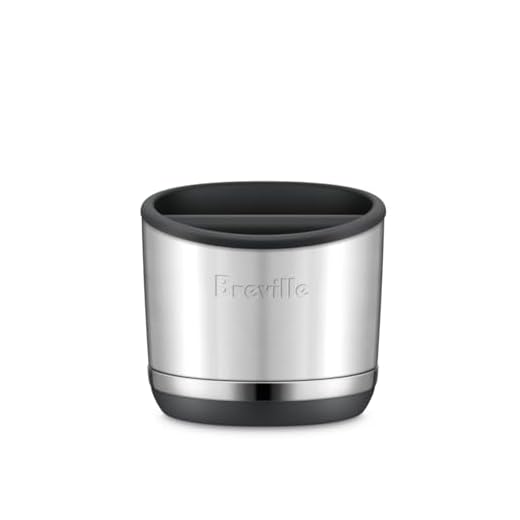
I got the Breville Knock Box 10 Puck Capacity after reading the Command the Knock Box section. It’s super quiet and pretty compact. The 10-puck capacity is actually great for my small cafe setup — less dumping and less noise.
One thing: put a towel underneath when you first try it, the rubber can shift a bit until it settles.
If you ever need a deodorizer, a sprinkle of baking soda between cleanings helps.
I clean it weekly — just hot water and mild soap, no lingering smell so far.
Good call. My first knock box slid around too — I used a thin silicone mat and it’s steady now.
Does it smell after a while? I worry about coffee odor build-up with larger capacity boxes.
Thanks for the practical tip about the towel, Priya — we’ll add a quick setup tip to the article.
Has anyone compared the Normcore Magnetic Dosing Funnel V2 to the Breville funnel for build quality? The article mentions both but I couldn’t tell which is more durable. I like the magnetic feature on Normcore, but wonder if Breville’s fit is more foolproof.
Great, thanks all — that helps me decide!
If your machine is stock, Breville might sit better. If you want sturdiness and don’t mind a bit of weight, Normcore wins.
Short answer: Normcore feels more premium with stronger magnets, Breville has a reliable OEM fit. We’ll do a durability shootout soon.
I own both. Normcore = slightly thicker metal and stronger magnet. Breville = perfect OEM fit and lighter. Both good in different ways.
Quick shout: the puck screen made my shots way cleaner. Not sure why I waited so long lol. Also the spoon on the brush = tiny hero.
Typos incoming: cant believe how much less mess now.
Glad the puck screen helped, Liam. Haha typos are welcome — we all type fast with coffee hands.
The spoon saved me last week when a bag of beans accidently spilled a little. Tiny tools, big wins.
Nice roundup — I actually swapped to the Normcore 54mm Magnetic Dosing Funnel V2 last month and it’s been a game changer. Faster dosing and no wobble.
I was skeptical about magnets but the fit is snug and cleanup is easy. The article’s point about owning your tools (Start Strong) is spot on. A small nit: would love a side-by-side photo of Normcore vs Breville funnel in action.
I rotate between a slotted and a precision basket depending on beans — magnets help either way. 😊
Totally agree on the magnets. I thought it was gimmicky but now I can’t go back. Do you use a basket or a bottomless portafilter?
Thanks for sharing your experience, Olivia — great tip about photos. We’ll try to add a comparison gallery in a follow-up.
I love that the article mentions the Dual Pack Nylon Espresso Brushes with Spoon. Those brushes are tiny lifesavers for getting into group-head crevices and the spoon is surprisingly handy for knocking out trapped grounds.
That said, the brushes wear down over time — any recommendations for prolonging them?