When to Prune Your Coffee in South Florida
Trim with Purpose: Why Timing Matters
Want healthy coffee and steady yields? A bad cut costs fruit and invites disease. You need timing that fits South Florida weather.
This guide shows the best windows to prune. It matches cuts to plant growth and storms. You will learn what to cut and when. Follow it and save blooms and beans. Skip cuts during peak heat and rain.


How to Grow Coffee in Florida: Tips for a Thriving Home Garden
Why Prune Your Coffee Plants
Shape and sap
You prune to shape the plant. A clear frame helps limbs hold fruit. A clean cut sends sap to new shoots. That new growth makes flowers and beans. You want growth where you can reach it.
Light, air, and health
Open the canopy. Let sun and wind in. Light ripens cherries. Wind dries leaves fast. Fewer damp pockets mean fewer fungal spots. Backyard growers in Miami see fewer rust and spot issues after opening the center.
Remove dead and crowded wood
Cut out dead wood first. Remove stems that rub or crowd. Crowded branches steal vigor. You lower disease risk. You also make harvest easier. One clear branch is faster to pick than a tangle.
Quick how-to moves
You will steer your tree. You will place fruit where you want it. The next section shows timing for South Florida cuts.
How South Florida Climate Affects Growth
Heat and sun
The sun is strong. Heat pushes leaves and shoots fast. You will see long, thin growth in a week. That growth drinks water and fades quick in heat spikes. You must time cuts so the plant can refill its reserves.
Rain and growth flushes
Rain comes in bursts. After a dry spell, one good storm will make the tree flush with new shoots. After the flush, the plant flowers. If you cut too close to a flush you rob the plant of bloom sites. If you cut just before a flush, you steer new growth.
Storms, wind, and rare cold
Storms snap limbs. Strong wind and salt spray stress plants. Frost is rare, but cool snaps slow growth. Don’t thin hard before a hurricane season. Keep a wind buffer of foliage when storms loom.
Timing tips you can use now
Best Windows to Prune in Southern Florida
After the Main Harvest
Cut after your main harvest. In South Florida that is often late winter to spring. The plant has used its energy. It can then send new shoots. Make your heavier shaping now, but not all at once.
Light Pruning Before a Flush
Do light pruning a few weeks before the expected growth flush. Remove thin, crossing shoots. Thin to open the canopy. This steers the new growth without losing bloom sites.
When Not to Prune
Do not make heavy cuts during bloom or fruit set. Do not shear when cherries swell. You lose yield. If a hurricane or tropical storm is forecast, delay. Wait for calm days.
Pick the Right Weather
Choose a dry spell and low wind. A cool, dry window after the harvest is best for major renewals. The plant will push shoots into the coming rains.
Stagger Major Cuts
Stagger big renewals across plants. Cut one tree hard. Leave neighbors to produce. This keeps some yield every season.
Tools to Match the Job
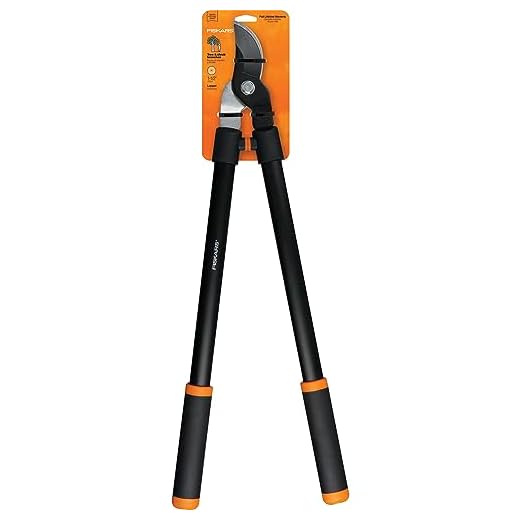
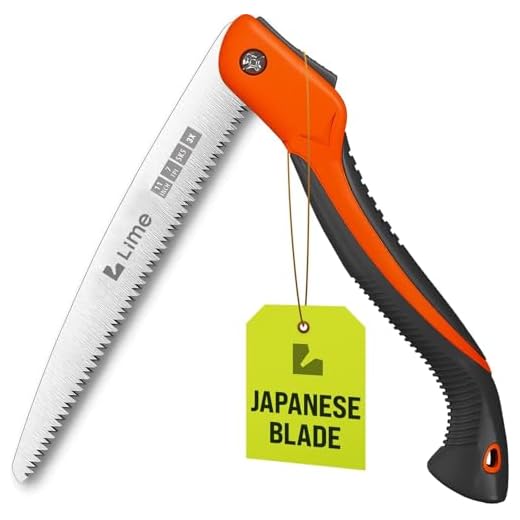
For small stems use Gonicc 8-Inch shears. For larger wood try Fiskars PowerGear2 L86 loppers. For thick limbs use a Silky Bigboy 2000 saw. They cut clean and heal faster.
Next, learn how to make the right cuts and care for wounds in the aftercare section.
How to Prune: Tools and Cuts That Work
Tools that do the job
Use sharp, bypass tools. They slice clean. A solid hand pruner (Felco-style) for stems under 1/2 inch. Long loppers for thicker shoots. A folding pruning saw for limbs over 1 inch.
Sanitize and sharpen
Clean blades between heavy cuts. Wipe with 70% isopropyl or a 1:9 bleach solution. Rinse and dry. A dull blade rips. A sharp blade heals fast.
How to place cuts
Cut close, not flush. Angle the cut away from the bud or toward the branch collar. Make clean strokes. Remove dead and crossing wood first. Open the middle so light and air pass.
Thin, reduce, rejuvenate
Thin to leave room for fruiting wood. To curb height, cut the top leader back to a strong lateral. For old, woody plants, remove up to half the old wood. Do it in stages across seasons. Keep green wood on the plant so it can reshoot.
I once watched a neighbor cut a ragged tree by a third. New shoots came fast. The plant bounced back when you give it room and care.
Aftercare: Help Your Coffee Recover
Water and mulch
Water deep after you cut. Soak the root zone. In South Florida, give a good drink once or twice a week unless rain fills the job. Lay 2–3 inches of coarse mulch. Keep mulch a hand’s width from the trunk. Mulch holds water and cools roots.

Feed when shoots form
Wait until new shoots show. Then feed with a balanced feed. Use a slow‑release 14‑14‑14 like Osmocote for steady gains, or a light fish emulsion (5‑1‑1) for fast green. Apply small doses. Too much nitrogen will push leaves and hurt fruit.
Guard wounds and pests
Cuts invite rot and bugs. Watch for scale, mealybugs, and brown rot. Treat early with neem oil or a copper fungicide. If sun is fierce, give raw wood a week of shade cloth at 30–50% to stop sunscald.
Quick aftercare checklist
Tie long new branches to spread weight. In one yard, a trimmed bush that had mulch, shade, and the right feed bloomed in six weeks. Be ready to catch that next crop.
Pruning Tips for Special Situations in South Florida
Containers
If your coffee lives in a pot, prune it more often. Cut back tips to keep shape. Thin crowded shoots. Check roots each year. Repot when roots circle the pot. Small cuts keep the plant healthy and fruiting.
Storm‑prone sites
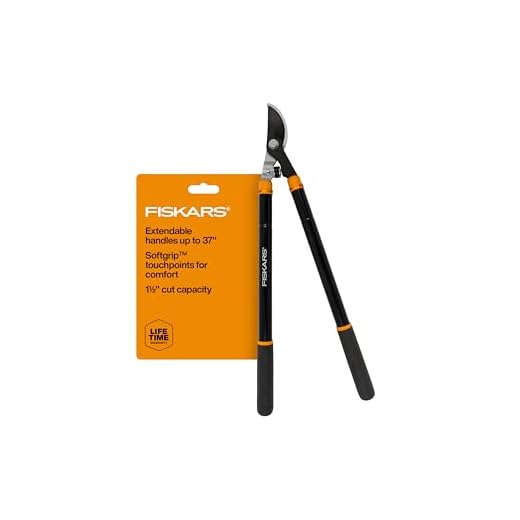
Lower the center of gravity. Reduce height. Thin windward branches so wind can pass. Shorten long leaders. In a Key Largo yard, cutting tops by a foot saved the plants in the next storm. For thick limbs, use a lopper with reach.
Disease and wet weather
If you see dieback or cankers, remove the sick wood at the collar. Cut back to healthy, white pith. Sterilize tools after each cut with alcohol. Don’t make heavy cuts in wet spells. Wait for a dry stretch to reduce rot.
Tight spaces
Train a narrow form. Keep one or two leaders. Remove crossing and wide‑angled branches. Make selective cuts. Think vertical, not broad.
Planning big cuts
Check the forecast first. Stagger heavy pruning across weeks or months. Do one group at a time. That way one storm or pest hit won’t ruin your whole stand.
Quick rules:
With these tips in hand, move on to the final thoughts.
Cut with Care, Time with Sense
Prune after harvest. Pick dry spells. Make clean, small cuts. Watch the weather. Feed and water to push new shoots. Remove dead wood and thin crowded branches. Do not overcut. Check pests and sun. Tend steady and simple. Your coffee will grow true. Try one careful trim each year and watch it repay you. Keep notes on each pruning season.
 Previous Post
 Next Post
I like the article but felt it skimmed over the rainy season impact. South Florida storms can mess up any pruning schedule.
If you time a big trim right before heavy rains you’ll risk rot and fungus. The “How South Florida Climate Affects Growth” section touched on it but didn’t give a clear contingency plan. Maybe add a short checklist for pre-rain pruning?
Good point, Mark. The article recommends avoiding major cuts in the immediate lead-up to forecasted heavy rains and instead doing lighter shaping. We’ll consider adding a checklist about weather windows and sanitation steps.
I keep a simple rule: big structural pruning in dry weeks, light maintenance after minor showers. Also I wait 3-4 days after heavy rain to inspect for waterlogged soil before pruning.
Thanks Carla — useful tip. We’ll add a line about waiting for drier conditions and checking soil moisture before major cuts.
Also consider pruning in early morning after dew has evaporated but before heat peaks — less stress on plants and fewer pests around.
Great timing guide — I pruned my backyard coffee last year and wish I’d seen the “Best Windows to Prune” section sooner. I used Fiskars Bypass Pruning Shears (5/8) and they made clean cuts. Highly recommend for small branches.
Do you ever sanitize the blades between cuts? I read in the “Aftercare” bit that disease can spread — curious how often you clean them.
Totally agree. I switched from cheap cutters to Fiskars and the plants healed way faster. Saved me a lot of time.
Thanks Amy — glad the Fiskars worked for you. The article emphasizes clean, angled cuts; those shears are perfect for that when used on stems under 5/8″.
Anyone tried the GROWIT saw on thicker roots or big stumps? I’m mainly worried about portability since I move between sites.
Is the folding action reliable over time or does it get loose?
I use mine across multiple sites. Folding mechanism held up for two seasons so far; I clean sap off after each use and tighten the pivot screw when needed.
The GROWIT folding saw is great for mid-sized limbs and portability. Over time the hinge can loosen — regular cleaning and light lubrication helps. For massive stumps you might need a larger saw.
This was super helpful for a newbie like me. The product list is handy — I bought the Fiskars Extendable Bypass Loppers after reading the piece and they’re actually worth it. Good reach and comfortable grips.
One tiny suggestion: include a quick ‘what to buy first’ starter kit for beginners. I was overwhelmed at first.
Great feedback, Grace. A beginner kit is a good idea — perhaps secateurs (Fiskars or gonicc), a small saw (GROWIT), and micro-scissors (VIVOSUN) as a starter set.
I’d add gloves and a sharpening stone to that list. Keeps tools in shape and hands safe.
Love the line ‘Cut with Care, Time with Sense’ — sounds like a mantra for all my gardening fails 😂
P.S. For anyone considering buying ALL the tools at once: pace yourself. You’ll end up with more gadgets than coffee beans. But Fiskars stuff is pretty bomb. Solid and ergonomic.
Haha, Jeremy — that mantra rings true for many growers. Ergonomics matter if you’re pruning a lot; Fiskars is a popular pick for that reason.
I definitely bought everything in year one and now have a tool graveyard. Pro tip: start with a good pair of secateurs and a saw, then upgrade to loppers as needed.
I pruned my coffee in Naples last March using the timing windows from the article and it did wonders. Two quick points from real-world experience:
1) Wait for a stretch of 7-10 dry days for big cuts.
2) Use the heavier loppers (28-inch) for any wood thicker than your thumb; otherwise the cut is ragged.
Also — mulch depth matters for heat and water retention in summer. Keep it 2-3 inches but not piled against the trunk.
Yep — collar rot is a sneaky killer, especially in humid zones.
Agree on mulch. I rake it a few inches away from the base to avoid collar rot. Also the 7-10 day rule is my go-to.
Thanks for sharing, Sofia — real experiences like this help others decide on exact dry-day minimums and mulch depth.
Quick question — has anyone used the gonicc 8-Inch Titanium Bypass Pruning Shears on coffee shrubs? I’m thinking about buying them because of the titanium blades but worried they’re overkill for smaller stems.
gonicc shears are a solid choice. Titanium helps with edge retention and anti-rust. They’re a bit stiffer than classic steel, so great for frequent pruning on thicker shoots.
I have the gonicc — they’re excellent for 1/4″ to 1″ stems. Lightweight and stay sharp. Not overkill unless you only prune once a year.
Nice read. Quick ? about aftercare — do people use ferts after pruning or wait a while? ty 🙏🙂
I do a light foliar feed 3-4 weeks after big pruning if the plant looks healthy. Otherwise I hold off.
Short answer: wait. Allow the plant to recover and start new growth for a couple weeks before a balanced, slow-release fertilizer. Immediate heavy feeding can stress the plant.
Short tip: Those VIVOSUN 6.5-Inch Micro Tip Gardening Scissors are tiny but clutch for cleaning up buds and tiny suckers close to the stem. Use them for precise snips after the big cuts — prevents jagged edges and helps shaping.
Exactly — micro-tip scissors are perfect for finish work and deadheading small shoots without bruising surrounding tissue.
I didn’t know about those until now; picked a pair up and they make detail work so much easier.
Not totally convinced by the “Best Windows to Prune” dates — southern Florida microclimates vary a lot. Someone in Stuart might have different timing compared to Homestead. Maybe the article should emphasize local observation more than dates?
You’re right, Omar. We aimed to provide general windows, but local observation (soil moisture, flowering stage, frost risk) should ultimately guide timing. We’ll add a note about microclimate adjustments.
Thanks Nina — that kind of local nuance is exactly what readers asked for.
I live in a canal-side spot and I adjust pruning a couple weeks earlier than inland neighbors — same plant stage but different timing.
Nice article. One concern — after pruning I often see leaf spot and other fungal issues. The “Aftercare” section mentions hygiene but doesn’t specify sprays or treatments. Do you recommend any prophylactic treatments for South Florida dampness? I prefer organic if possible.
Also, is there an ideal humidity level to wait for before pruning to reduce infection risk?
Also remember to time big cuts during drier periods and provide good airflow through pruning to lower humidity around the canopy.
I use a dilute hydrogen peroxide rinse for tools and a light copper spray on vulnerable plants — seems to reduce outbreaks without harsh chemicals.
Neem oil works for some foliar pests and has limited antifungal properties. Not a cure-all but part of an integrated approach.
Great question, Elena. We advise removing infected material and sanitizing tools. For organic options, a copper-based fungicide or potassium bicarbonate can help prevent spread; apply only if needed. No perfect humidity threshold, but avoid heavy pruning immediately before expected prolonged wet conditions.
😂 I once tried to saw a coffee trunk with a butter knife. Learned my lesson. If you’re dealing with woody limbs, get the GROWIT 11-Inch Folding Camping Pruning Saw — tiny but packs a punch and folds away. Also, the article’s “Cut with Care” motto is gold.
Good tip Marcus — we can add a note to inspect/replace saw blades after heavy usage.
FYI: I prefer a saw with replaceable blades. GROWIT works but check teeth condition after big jobs.
Oof, butter knife trials aside — yes, for woody limbs the GROWIT saw is recommended in the “How to Prune” section. Compact and good tooth pattern for green and dry wood.
Also bring gloves and eye protection. Sawing can fling stuff around; learned that the hard way 😅
LOL butter knife story made my day. The folding saw saved me on a big limb last winter — portable and safer than a big bow saw.
Loved the ‘Cut with Care, Time with Sense’ closing. It feels poetic but also practical.
Couple of things I’ve learned the hard way:
– Small plants need different handling than older shrubs; don’t be brutal with young coffee plants.
– For big trees, plan your cuts in stages across seasons so you don’t shock the plant.
– The Extendable loppers are amazing but practice the locking mechanism BEFORE you’re 10 feet up on a ladder 😂
This article is useful for both newbies and pros, but maybe add a short section for ‘young plants vs mature plants’ next time.
Fantastic suggestions, Lena — we’ll add a ‘young vs mature’ pruning guide and a safety note about testing tools before using at height.
Agree about staged cuts. I over-pruned a mature tree once and lost a season’s yield. Learned to spread big structural changes across years.
Thanks Patrick — sharing those cautionary tales helps others avoid the same mistakes.
A couple of technique notes that helped my harvest: always make heading cuts above a healthy bud and angle the cut to shed water. I prefer gonicc shears for neat cuts and the VIVOSUN micro-scissors for fine shaping.
Also, when cutting heavy branches, make an undercut first to avoid bark tearing. The article’s tips are solid but these small techniques saved me a lot of regrowth stress.
Chalk is a neat trick — prevents second-guessing mid-cut!
Excellent additions, Priya — undercuts and angled cuts are worth emphasizing. We’ll consider expanding the technique section with these step-by-step tips.
Undercuts are a game-changer. I also mark the branch with chalk where I’ll cut if I’m nervous about making the wrong cut.
I bottle up a small pruning kit: gonicc, micro-scissors, a marker, and wipes. Saves back-and-forth to the shed.
Loved the in-depth “How to Prune” illustrations. I’m torn between the Fiskars 28-Inch Heavy Duty Bypass Loppers and the Fiskars Extendable Bypass Loppers (24.5 to 37). I have taller coffee trees and occasional large branches.
Which would you recommend for southern Florida trees with variable heights? Is extendable worth the extra weight?
Extendable saved me from pulling out a ladder. Just be sure to lock it properly before cutting — safety first.
If you have taller trees and need reach variability, the Extendable model is worth it — you avoid ladder work. The 28-inch heavy duty is sturdier for very thick stems. For mixed jobs, get the extendable and a separate heavy-duty lopper for the occasional thick cut.
I own both. Extendable is lighter and great for hard-to-reach, but the fixed 28″ gives more leverage on very thick limbs. I alternate depending on the task.