You Try It. You Find Your Brew
You Try It. You Find Your Brew.
You want better coffee at home. A subscription box can guide you. It brings beans to your door. It widens your taste. It saves you time. This piece shows how to pick, taste, and keep the coffee that fits you.
You will try small bags. You will learn to taste with intent. You will match roast and grind to your gear. You will tweak deliveries until they fit your life.
This guide is short and practical. It gives steps and tips you can use at once. Start now and enjoy better mornings.



Discover Your Perfect Brew: Live Demo
Choose a Box That Fits Your Life
Start with the basics: beans or ground
You like whole beans if you want fresh. You like ground if you need fast mornings. Whole beans keep aroma. Ground coffee is ready. If you brew with a French press, choose coarse grind. If you use an Aeropress or espresso machine, pick fine. Look for boxes that let you set this. If they do not, skip them.
Match delivery pace and bag size
Think of how fast you drink coffee. Buy a box that ships every week, every two weeks, or monthly. Small 4–6 oz bags suit slow drinkers. Standard 12 oz or 340 g bags suit two-cup households. Order a trial if you want to test pace.
Single-origin or blend?
Single-origin shows a place. It shows a season. Blends smooth things out and stay familiar. If you want variety, pick a rotating box. If you crave comfort, pick a steady single roast. One friend found a Kenyan single-origin that tasted like black cherry. It changed his mornings.
Read roast dates and packing
Check the roast date on the bag. Freshness alters taste fast. Aim for a roast date less than three weeks old for pour-over. Look for bags with a one-way valve and foil lining. That keeps beans fresh in transit. Ask if they ship whole-roasted bags or pre-ground.
Grind options and gear fit
Match the box’s grind choices to your gear. Many roasters offer:
If your roaster only offers whole beans, you can grind at home. A Baratza Encore or Fellow Ode gives clean, repeatable grinds. If you grind at the shop, check their grinder model.
Price, value, and trial math
Check price per ounce. Do the math: price ÷ ounces = cost per ounce. Compare across boxes. Specialty beans often range $0.30–$0.80 per ounce. Rare lots cost more. Ask if shipping is included. Watch for hidden fees.
Shipping and subscription rules
Read the fine print. Can you pause, skip, or change frequency? How easy is cancelation? Good boxes let you skip a shipment with two clicks. Bad ones lock you in. Note delivery partners and packing. Insulated boxes matter in heat.
Sourcing and ethics
Look for clear sourcing. Do they name farms or co-ops? Does the roaster explain processing—washed, natural, honey? If ethics matter, check for certifications or direct-trade claims. Real transparency shows real care.
Quick checklist before you buy
Try a short trial. Let the beans prove their worth.
Taste with Purpose and Build Your Palate
Set a simple method
Tasting needs a plan. Grind fresh. Use the same water each time. Use the same ratio. Write it down. Aim for 1:16 (coffee:water) as a starting point. Use a scale. Use a timer. Use tools that won’t change between cups. That keeps the test fair.
Smell first. Then sip slow.
Smell the dry grounds. Smell the bloom. Note the first scent. Is it floral or nutty? Take a small sip. Let the coffee coat your tongue. Hold it. Move it to the sides. Taste the front for sweetness. Taste the sides for acidity. Taste the back for body and aftertaste. Use one or two sips. Do not swallow fast.
What to note
Keep the notes short. Use simple words. Look for:
A short descriptor list
Try this quick palette:
Write which words fit. Cross out words that don’t.
Keep a tasting log
Make a page for each bag. Jot:
A simple notebook works. A phone photo of the bag and your notes works too.
Compare side by side
Brew the same beans three ways. Try drip, pour-over (Hario V60 or Kalita Wave), and French press (Bodum Chambord). Use the same dose and water temp. Note the change. Pour-over often shows bright origin notes. French press brings body and chocolate. That test teaches you what a method does.
Track roast levels
Light roasts show origin. You’ll hear citrus, floral, berry. Medium roasts balance sweetness and body. Dark roasts move toward caramel, smoke, and roast flavor. If a box lists roast level, mark how much origin you still taste.
Use tasting notes, then test them
If the roaster sends tasting notes, read them. Treat them as a map, not a rule. You must confirm with your mouth. Over time you will match words to flavor. You will spot patterns. Ask the roaster where the beans came from and how they roasted them. Good roasters will answer plainly.
Taste with a friend if you like. Trade notes. Keep your own log. Your palate will grow. You will buy more confidently. The box will turn into a tool.
Match Roast, Grind, and Brew to Your Gear
Know your grinder
Your grinder shapes the cup. A blade grinder chops. Expect uneven bits and wild extraction. A burr grinder shears. You get steady size and control. If you use a cheap blade, plan on coarser methods. If you want consistency, buy a burr. Good entry models: Baratza Encore, Breville Smart Grinder, and the OXO below.
If you are on a budget, the Encore gives repeatable results. A hand crank Hario Mini Mill will teach you patience and precision. For espresso, invest in a true espresso-capable burr grinder.
Match grind size to method
Match size to contact time. Grind guides help you tune fast.
Start with the recommended grind. Then taste. If the shot is sour, grind finer. If the cup is bitter, go coarser.
Choose whole beans; ask for custom grinds
Whole beans stay fresh longer. Buy whole when you can. Many boxes let you pick grind customization at checkout. Ask the roaster. If they offer a drip grind, it will save you time. If you chase espresso, buy beans ground just before shipment or grind at home.
Dose, water temp, and timing
Small changes move the dial a lot. Use these anchors.
Example quick start: 16 g coffee, 250 g water, 200°F, pour-over 2:30–3:00 minutes. Note it. Repeat it.
Keep notes and a cheat sheet
Write grind, dose, temp, and time for each brew. Label the bag with your settings. Make one sheet with go-to numbers for each brewer you own. If you brew for others, ask their sweetness and strength. Adjust dose, not grind, for preference.
Change one variable at a time. Grind. Dose. Time. One change. Taste. Repeat.
When you match gear to roast and grind, the cup becomes reliable. Use the notes to tell your subscription what to send and how to grind next time.
Tune Your Subscription and Make It Yours
Make it fit your life
Your subscription should serve you. Not the other way round.
Tweak frequency as you learn. Move from weekly to biweekly. Or to monthly. Pause when you travel. Use skip when you have enough. Swap when you want a change. Turn a one-off into a regular when a roast nails it. Ask for extra samples if you crave a new style. Use gift options to send coffee to friends. Small moves keep your box useful.
Watch your spend
Keep an eye on totals. Some plans add shipping. Some let you set a price cap. Set that cap if you want control. Pick fewer bags if shipping eats your budget. Or choose a cheaper roast for weekdays and a special bag for weekends. A little math keeps joy from turning into sticker shock.
Talk to the roaster
Turn on notes for the roaster. Tell them your gear. Tell them your taste. Say what you brew with and how you like the cup. Good roasters will suggest beans. They will change grind or roast if you ask. Be specific. Try feedback like: “Loved the clean citrus, but I’d like more body” or “Great chocolate notes; find one with less bitter finish.” Clear notes make better boxes.
Store for freshness
Roast date matters. Use beans within two weeks of roast for best flavor. Store them in a cool, dark spot. Avoid heat and light. Freeze only if you must. Freeze in small portions. Label frozen bags with date. Rotate stock so old beans do not sit.
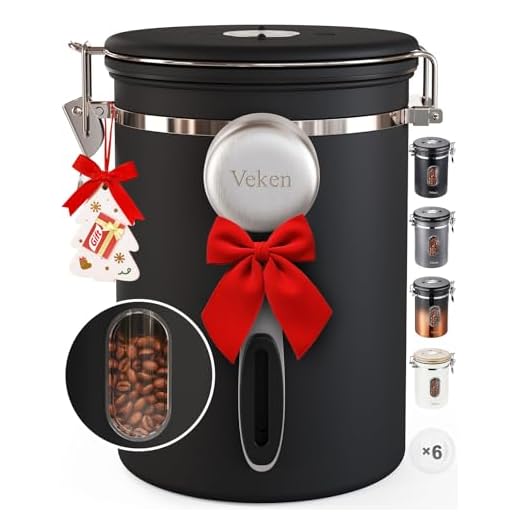
Airtight canisters help. Use small jars for daily beans. Keep backups sealed and dated. Share beans with friends to taste faster. A quick cupping with a friend speeds learning.
Give feedback and keep a log
When a box misses the mark, say why. Note what you liked. Note what missed. Use simple scale stars or numbers. Keep a short journal. Record roast, date, grind, and one line on taste. After a few months you will spot winners. You will know which roaster listens. You will know what to order with intent.
Small, steady tweaks make the subscription yours. Tune it. Rate it. Repeat. When you do, your trial box will turn into the one that keeps your best cups coming.
Brew, Learn, and Keep What Works
You learn by trying. A good box shows you options. You taste. You fail. You note what sings. You adjust roast, grind, and brew to fit your day.
Tune the plan. Keep what works. Toss what does not. Drink better coffee. Simple. Let your box teach you new beans. Track what you like. Swap roasts. Change grind. Try cold, try pour. Make the plan yours. Then drink what sings and skip the rest. Always.
 Previous Post
 Next Post
Nice article. The bit about ‘Tune Your Subscription and Make It Yours’ is underrated — I adjusted delivery frequency and roast size and my fridge is no longer crawling with half-used bags. Small tip: start with a smaller box if you’re trying a new roast.
Would have loved a quick chart for grind sizes vs. brew methods though.
Great practical tip, Sarah. We’re working on a grind-size visual for future pieces — good call on adding it.
100% — smaller box for new roasts. Saves money and bench space.
Okay, long post incoming because this article actually made me rethink my setup.
I used to just buy whatever was on sale. Then I got the OXO Brew Conical Burr Coffee Grinder, Silver and OMG, what a difference. Fresh grind = better coffee. I paired it with the Veken Airtight Stainless Steel Coffee Canister 22oz to keep beans fresh on the counter (no fridge nonsense).
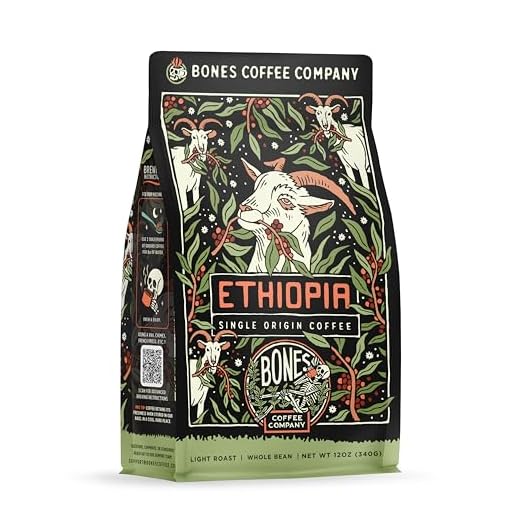
Following the article’s ‘Match Roast, Grind, and Brew to Your Gear’ section, I dialed in grind sizes for my AeroPress and French press and the results were nights/day. Also tried the Bones Coffee Ethiopia Single-Origin Low-Acid Medium Roast for mornings — my stomach didn’t hate me anymore. 10/10 would recommend experimenting like the piece suggests.
Which grind setting on the OXO do you use for AeroPress? I’m always guessing and usually wrong 😅
I keep the canister in a cool, dark cupboard. Counter works short-term but direct sunlight and heat make the oils go off faster.
This is exactly the push I needed to stop buying pre-ground. Do you keep beans in the Veken canister on the counter or in a pantry?
Fantastic write-up, David — and exactly the kind of experimentation we hoped readers would try. The OXO grinder is a solid midrange option; glad it worked for you. Low-acid beans + proper storage is a great combo for comfort.
Tried tuning my subscription to every 3 weeks and ended up with so much coffee I had to gift a bag to my neighbour. Oops 😂
Also, the OXO grinder is a game-changer. If you’re still using a blade grinder, pls stop. Your coffee will thank you 🙂
Haha — classic! Glad the OXO converted you. Blade grinders are… an experience, but conical burrs are love.
How loud is the OXO? I work from home and worry about the noise early AM.
I was team blade until I tried burr. Night and day, Tom. No ragrets.
Long-ish write-up from me because I followed the article as a mini-project:
1) Bought a small World Coffee Gift Box Nine Assorted Samplers to map tastes.
2) Liked two samples, ordered the Amazon Fresh Colombian Whole Bean Medium Roast 32oz for daily use.
3) Got the OXO Brew Conical Burr Coffee Grinder, Silver and learned how grind size affects extraction.
4) Put beans in the Veken Airtight Stainless Steel Coffee Canister 22oz and noticed fresher flavor for longer.
The ‘Brew, Learn, and Keep What Works’ piece of advice is gold. Keeps things simple and prevents me from chasing every trendy roast. Highly recommend the step-by-step approach.
Did you label the canister with roast date? I started doing that and it helps me rotate beans.
Also nice to see someone actually using that canister properly — so many beans go stale because of bad storage.
This is basically our ideal reader journey — sampler to daily bag to proper grinder and storage. Thanks for sharing the roadmap!
Appreciate the checklist format. Makes it feel doable.
I’m that guy who reads ‘Match Roast, Grind, and Brew to Your Gear’ and mentally replies ‘yeah yeah, French press, coarse grind, done.’ Not trying to be contrarian, but sometimes simple rules win. Still learned a few tweaks from the article though.
Agreed. Also, French press folks unite. Coarse grind and chill vibes only.
Simple rules absolutely have their place — consistency beats perfection. Glad you found useful tweaks!
Loved the idea of the World Coffee Gift Box Nine Assorted Samplers — great way to figure out what you actually like without committing to a big bag. I tried a sampler like that last year and discovered I prefer medium roasts over the dark stuff.
Also appreciated the tip about tuning your subscription. Small changes go a long way.
Glad that clicked for you, Emma! Samplers are honestly the fastest way to train your palate without wasting a ton of coffee. If you liked medium, try the Amazon Fresh Colombian Whole Bean Medium Roast 32oz as a next step.
Totally — samplers saved me from buying a 5lb bag of something I hated 😂
Which sampler in that box did you like most? I’ve been eyeing it but can’t pick which sample to try first.
Anyone tried storing beans long-term in the Veken Airtight Stainless Steel Coffee Canister 22oz? I’m worried about moisture. I keep mine in a pantry but would love tips on ideal quantities and how often to buy (subscription tuning 🤔).
Best practice: keep the canister out of direct light and heat, in a cool pantry. Buy smaller quantities if you brew daily — 2–3 weeks of beans is a good guideline. For the Veken, make sure the lid seals well and only open when necessary.
If you live somewhere humid, consider desiccant packs (food-safe) and rotate stock more often.
I buy for 2 weeks max and keep the canister in the cupboard. No moisture issues so far.
Minor gripe: the ‘Choose a Box That Fits Your Life’ section was helpful but seemed light on specifics. Like, how many cups per week should steer me to a small vs medium box? A few sample numbers would’ve been useful.
Still, the general advice is solid.
Fair point, Kevin. We’ll add a quick reference in the next update (e.g., small = 1-3 cups/day for two people, medium = 3-6 cups/day, etc.). Thanks for the nudge!
Yeah a little math would be great — I eyeballed it and ordered wrong the first time.
This article is my new go-to for onboarding non-coffee nerd friends. A couple of takeaways that stuck with me:
– Taste with purpose: make a list of 3 things you like/dislike and use that to choose samples.
– Match roast/grind/brew to your gear rather than forcing a single bag to do everything.
– Tune the subscription — I moved from monthly to every 3 weeks and my beans are always fresh now.
Also loved the friendly tone. Felt like a friend was guiding me rather than a lecture. 😊
The ‘taste with purpose’ checklist made me less intimidated. I used ‘chocolate, nutty, low acidity’ as my starting point.
Do you keep your subscription frequency the same year-round or change it by season?
I shared this with my roommate and now we’re both hooked on trying new samplers.
Perfect summary, Hannah. Helping friends through the first steps is one of the best ways to spread the coffee gospel. Appreciate the kind words!
Bones Coffee Ethiopia Single-Origin Low-Acid Medium Roast — 10/10 for people who hate their morning heartburn but still want flavor. Not gonna lie, I had low expectations but it surprised me. Low-acid doesn’t mean flat here.
Also, lol at the ‘Choose a Box That Fits Your Life’ header. Like, my life is a tiny apartment + two plants + a french press. Pick a box that fits that chaos 😆
Haha — love the apartment + plants image. Glad the Bones Ethiopia worked for you; it’s a good reminder low-acid beans can still be lively.
French press forever. Pressure schmress. Give me oils and texture.
Do you find the Ethiopian better as filter or espresso? I’m curious how it handles pressure.
I’ve used it for filter and it plays nice. For espresso it’s okay but I prefer a blend with more body.
Agreed — low-acid but flavorful. I make mine with slightly cooler water and it pops more.
Question for folks: I have a sensitive stomach — would you recommend Bones Coffee Ethiopia Single-Origin Low-Acid Medium Roast or the Amazon Fresh Colombian Whole Bean Medium Roast 32oz? I can tolerate medium roasts but low-acid sounds ideal. Thanks!
Same issue here — Bones worked better for me in the mornings. Colombian is tasty but can be brighter depending on the roast batch.
YMMV, but low-acid options are worth trying. Might be helpful to brew with cooler water temps first (like the article says) to reduce perceived acidity more.
If acidity is your main concern, start with the Bones Coffee Ethiopia Single-Origin Low-Acid Medium Roast. Low-acid beans are specifically processed for gentler stomachs. If you like it, you can then try the Colombian to compare flavor profiles.
Quick note: I bought the Amazon Fresh Colombian Whole Bean Medium Roast 32oz after reading this and it’s been my daily go-to. Balanced, not too acidic, pretty forgiving if I mess up the brew time.
Nice mention of ‘Taste with Purpose’ — helped me understand why I like it.
Love to hear that, Priya. The Colombian medium is a great everyday bean — versatile across pour-over, drip, and Aeropress.
It’s a solid workhorse bean. Cheap enough to not cry when you spill it, tasty enough to not be boring.