Ditch the Waste. Use Biodegradable Paper Filters
Start Small. Cut Big Waste.
You can cut waste with a small swap. Choose biodegradable paper filters. They break down. They lower your footprint. This guide shows why they work, how to pick them, and how to handle them.
First, you will learn why biodegradable filters matter. Then see what they are made of and how they break down. Next, you learn how to choose the right filter and how to dispose and compost it. We also bust common myths and share other simple moves to reduce filter waste.
Make the small change. Keep it simple. Keep it lasting. Start today.


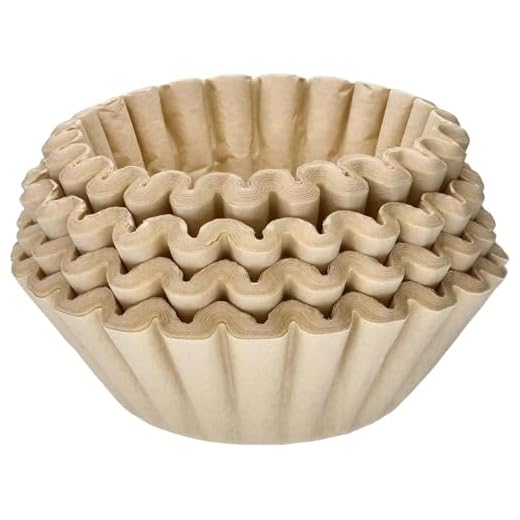

This Week’s Material: Coffee Filter Paper
Why Biodegradable Paper Filters Matter
You toss a lot
You use a filter once. Then you throw it away. One filter a day is 365 a year. A family of four adds up fast. Those small acts stack into a heavy load in your bin.
Landfills hold on
Paper and plastic choke landfills. They sit there. They take years to fade. Some papers hide plastic fibers or glue. Those bits break into microplastics. They can leach chemicals into soil and water. That harms gardens and wildlife. It ruins the simple idea of “natural” compost.
They break down and give back
Biodegradable paper filters rot faster. They feed microbes. They turn to humus. That humus brings life back to soil. You cut the volume in your trash. You cut the guilt. You keep plastic fragments out of your compost pile and your plants.
Quick wins you can use now
Real-world edge
A camping trip taught me this. I used unbleached filters. I buried the wet grounds and paper in a shallow hole. The soil healed. The campfire stayed clean. The cup still tasted great.
Next, you’ll see what these filters are made of and how they break down.
What They’re Made Of and How They Break Down
Plant fiber, plain and simple
Most paper filters use plant fiber. Think wood pulp, often from fast-growing trees. The fiber is the body that lets water pass and holds the grounds. Pure plant fiber breaks down fast. It feeds microbes and turns to soil.
Additives that change the story
Not all filters are pure. Makers add things for strength, color, or shape. Common extras:
These extras slow decay. A filter with wet-strength glue can sit in a pile for years. Dyes and plastics can leave bits behind.
Home compost vs. industrial compost
Your backyard pile is slow. It runs cool. It has mixed microbes. It breaks paper over months to years. Industrial compost is hot. It reaches 55–70°C (130–160°F). It has lots of active microbes. It shreds tough fibers and some additives in 90 days or less. A filter labeled “compostable” may mean “commercially compostable” only. That makes a big difference.
Quick checks you can do
Know what’s in the filter. That knowledge will help you pick a product that actually breaks down where you live. Next, you’ll learn how to choose the right filter for your needs.
How to Choose the Right Filter for Your Needs
Match the filter to your gear
Pick the shape that fits. Basket for drip machines. Cone for pour-over. Flat-bottom for Kalita Wave. Size matters. A #2 Melitta fits many home brewers. A Hario V60 size 02 fits a two-cup brew. If it wobbles, it spills. If it gaps, water flows too fast. Try the exact model the maker names.
Thickness and pore size
Thin paper passes more oils. You get more body and aroma. Thick paper traps oils and sediment. You get a cleaner cup. Many brands list “weight” or “gsm.” Lower gsm = thinner. Higher gsm = heavier. Use thin filters for light roasts. Use thick filters for dark roasts or if you want clarity.
Practical checks and quick tips
Compostability and certification
Look for clear claims. “Home compostable” means it will rot in your backyard. “Commercially compostable” means industrial facilities only. Certifications like BPI or OK Compost add trust. A label without proof is vague.
Balance cost, taste, and waste goals
Cheap filters save money. High-end filters shape taste. Set priorities. If waste is your focus, choose unbleached, certified home-compostable paper. If taste comes first, try thin, high-gsm designs. Buy small packs. Test two or three brands. Keep what works for your brew and your values.
Next, you’ll learn where those filters should go after use and how to compost them the right way.
How to Dispose and Compost Filters Properly
Empty the grounds first
Pull the puck from the filter. Tap or scrape the grounds into your compost or food-waste bin. The grounds are rich in nitrogen. They speed compost. If you toss both filter and wet grounds into a bin, the mix is heavier to dry. Empty first. Dry faster. Compost faster.
Tear and size matters
Tear the filter into small pieces. Small pieces break down faster. Rip by hand or cut with scissors. Thin strips rot in weeks in a hot pile. Big cups can take months in a cold heap.

Hot piles vs cold piles
Aim for a hot pile when you can. Hot piles reach about 50–60°C and kill seeds and break paper fast. Turn the pile every few days. Cold piles work, but expect months, not weeks. If you use a worm bin, add small filter pieces and avoid soggy clumps.
Watch for liners and glue
Check the filter. Avoid filters with plastic liners, foil, or heavy glue. Those do not compost. A tiny staple or light glue may break down slowly. If in doubt, toss the filter into your city’s food-waste stream or ask your waste service.
City pickup and short-term storage
Many cities take food waste. Use that route for filters if available. If you compost at home, store used filters in a dry bin. Let them dry to avoid mold and smell. A lidded kitchen caddy works well. Empty the caddy into the pile once a week.
Quick steps you can use now
Keep it simple. Keep it clean. Up next: common myths and quick answers to help you compost with confidence.
Common Myths and Quick Answers
Biodegradable does not mean instant
Biodegradable paper breaks down. It can still take weeks or months. Heat speeds it. A hot compost pile will eat paper fast. A cold heap will not. If you have a slow pile, tear the filter small. Dry it first. That cuts time.
Compostable may mean industrial only
Labels lie by omission. “Compostable” can mean a factory, not your backyard. Look for “home compostable” or ask the maker. You can do a quick test. Bury a small piece in your bin. Check in four weeks.

Bleached paper can compost
Bleached does not always mean toxic. Many bleaches use oxygen or peroxide. Those break down fine in compost. If you doubt the label, treat it like unbleached: tear it, mix it, and add to a hot pile.
Reusable filters save waste but cost water and time
A metal or cloth filter cuts trash. It asks for work. You will rinse. You may run a washer or use hot water. Hand-rinse with a brush. Dry it well. Sometimes the trade is worth it. Sometimes it is not.
Biodegradable ≠ low impact
A paper filter that rots in months still had a footprint. Trees, transport, and processing add up. Think of filters as one tool. Use them wisely.
Quick myth-busters
Pick with facts. Try a small change. Watch what happens.
Other Simple Moves to Reduce Filter Waste
Buy in bulk
Buy a large pack. You cut cardboard and plastic for each buy. One filter a day is 365 a year. A two-year bulk can halve trips to the store. A neighbor did this and cut kitchen trash in half in three months.
Compost coffee grounds every time
Keep a small bin by the machine. Scoop grounds into it after each pot. Mix them into your compost or add to a potted plant. Grounds feed soil. They also stop wet filters from molding in the trash.
Try cloth filters for some brews
Cloth keeps oils and flavor. It cleans fast. It lasts months if you care for it. Use it for bright, clean cups and save paper for other brews.

Use a reusable option where it fits
Pick a metal basket for daily pots. Use a cloth cone for single-serve or pour-over. Match the tool to the cup. Reusables cut waste fast when you commit to the rinse.
Store filters dry and sealed
Moisture breeds mold. Keep filters in a sealed bag or jar. Store in a cool spot. This keeps them compost-ready and prevents waste from soggy throws.
Trim excess packaging before recycling
Open boxes and flatten them. Cut plastic bands and toss them in your hard-plastic recycling if accepted. Small actions reduce sorting errors at the facility.
Shop for minimal wrap and clear compost claims
Look at photos online. Pick brands that state “home compostable” or show certification. Choose plain boxes over oversized plastic clamshells.
Do one or two of these today. Then move on to the final note.
Small Change. Big Payoff.
Swap one thing. Use biodegradable paper filters. You keep your routine. You cut the waste. You send less trash to the bin. You save time and guilt. You still get your coffee, tea, or brew. You still enjoy the ritual.
Compost the rest. Use a home bin or a community site. Test a few brands. Keep what works. Teach a friend. Small acts add up. Day by day, your choice makes a dent. The planet wins a little each day. Start now. It is simple. It matters. Tell others. Repeat. Your small switch shapes better habits and cleaner streets soon.
 Previous Post
 Next Post
Big fan of Parkway Essentials 8–12 Cup Unbleached Filters, 200. Bought them on Amazon and it’s the best bang for the buck IMO.
I also tried the 100-count If You Care Unbleached Basket Coffee Filters — they’re slightly different texture but both work fine. Love that the article listed both.
Thanks for the comparison, Chloe—good to know they both held up for you. Texture differences are usually just a manufacturing thing.
I alternate brands so I don’t get stuck with one supplier. Amazon has good deals but watch shipping if you need them fast!
Reusable filters FTW. Bought a GoldTone reusable basket filter years ago and never looked back. Less waste, no more running out of paper, and the flavour is cleaner for me.
That said, it’s a pain to rinse out at night sometimes. But hey, first-world problems 😂
Totally this. I microwave the wet grounds in a compost-safe container for a minute to dry them out (weird hack but works) before dumping into my compost. Filters out way less waste overall.
GoldTone is a great option — durable and low waste. Quick tip: scrape the grounds into your compost and give the filter a quick rinse; if you let it soak in warm water with a bit of vinegar occasionally it keeps oils from building up.
I’m skeptical. The idea of ditching paper sounds great, but I had a pack of cheap unbleached filters that fell apart mid-brew once. Grounds EVERYWHERE. Are the brands in the article (Parkway Essentials, If You Care) better quality?
Also, how do the big 200-count packs compare to the 100-count in terms of storage and freshness? Want to avoid stale paper or moisture issues.
If a filter falls apart often, return or switch brands — not worth the mess. Also consider switching to bleached vs unbleached? Unbleached is thicker sometimes, so less prone to tearing (counterintuitive but true for some lines).
Solid points, Oliver. Quality varies — If You Care and Parkway Essentials are generally more consistent than off-brand supermarket filters. Store them in a cool, dry place; paper filters don’t ‘go bad’ quickly but humidity can cause issues. Buying 200 is cheaper per filter, but if your kitchen is humid, keep them in an airtight container.
I bought the Parkway 200s and keep them in a mason jar. No issues. The cheap ones you mentioned probably had lousy manufacturing tolerances — tiny micro-tears cause that disaster.
Help pls — I’m new to composting filters and I’m confused about the grounds + filter combo. Do I toss the whole filter with grounds in my backyard compost, or separate the grounds? 🤔
Also, does anyone actually compost at home without it getting gross? I tried once and it turned into a science experiment gone wrong lol.
Also, don’t compost bleached filters (some contain chlorine byproducts) — stick to the unbleached ones mentioned in the article.
If you don’t have backyard space, a worm bin (vermicompost) is great for coffee grounds and filters — worms love the grounds but avoid large quantities at once.
I compost daily coffee grounds + filters. Key is aeration and turning the pile every week or so. If it smells, add more dry leaves or shredded cardboard. Not gross if you manage it.
You can toss the whole unbleached paper filter with the grounds into a backyard compost — no need to separate. Tear or shred the filter to speed breakdown. Make sure you balance with greens (kitchen scraps, coffee grounds are ‘greens’) and browns (leaves, shredded paper) to avoid a soggy, smelly pile.
I switched to If You Care No.4 unbleached filters a few months ago and it actually makes me feel less guilty about my daily coffee ritual.
They compost nicely in my home bin (torn up first) and don’t leave that papery taste I was worried about. I use them with my 8–12 cup basket brewer and they’re perfect.
Tip: wet the filter slightly before brewing so it sits flush and you don’t get grounds bypassing the edge.
Love that the article listed composting steps — super practical!
I do the same! Also, If You Care No.4 fits my cone adapter for my pourover surprisingly well — just squish it a bit. Saved me from buying special cones.
Thanks for sharing, Ava — great tip about wetting the filter. Tearing them up speeds breakdown in the compost too. If you’ve got a backyard pile, alternate filter layers with greens (coffee grounds!) to keep it balanced.
Ooh good point about the taste. I always thought unbleached would taste weird, but nope. Curious if anyone tried the Hemp and Organic Cotton Cloth Cone, Size 4?
Question: Has anyone used the Hemp and Organic Cotton Cloth Cone, Size 4 with a standard cone dripper? I’m worried about fit and cleanup.
Also: how often do you have to wash it before it starts tasting funky? Trying to decide between that and the 200 Unbleached Basket Filters.
I have one — fits my Hario V60 with a little adjustment. I rinse after every brew, and once a month I soak in baking soda + hot water to remove oils. No funky taste after that.
If you want convenience, the 200 pack is unbeatable for cost-per-filter. Cloth is better for waste, but if you travel or are lazy, paper wins lol.
Good questions, Maya. The hemp/cotton cloth cones tend to be more flexible than paper and often fit standard cone drippers, but they can be a bit loose depending on the dripper brand. For taste, rinse well before the first use and boil or deep-clean every 2–4 weeks depending on frequency. If you brew daily, I’d wash weekly and deep-clean monthly.
Also note: cloth filters don’t break down in compost the same way — they’re reusable, so washing wastewater considerations matter. For home composter folks, paper is simpler to dispose of.
Cost question: Is the If You Care Unbleached Basket Coffee Filters, 100 worth paying extra for over the 200 bulk packs? Trying to save money but also want decent quality.
Buy 200 if you use coffee daily and can store them properly. The per-filter cost drops a lot — but if you’re trying filters for the first time, start with 100 to see if you like them.
If You Care often commands a premium for certifications (FSC, eco-claims). If budget is tight, the 200-pack Parkway or generic unbleached options give similar performance. If certifications matter to you, go If You Care; otherwise bulk options are fine.