Taste What Your Bean Hides
Open the Bag
You lift the bag. A seed sits inside. It hides a story. You can pull that story out.
You will learn to smell and taste what the bean keeps. You will learn to find the plain truth and the small lies. You will train your nose. You will train your tongue. You will brew with care. You will not mask the bean. You will reveal it.
This piece gives clear steps. It gives simple tests. It gives the skill to taste what your bean hides. Read on and taste, and your cup will tell you the rest.


Hidden Bean Tomato Soup: Cozy, Made-From-Scratch Recipe
Know the Bean
Start with the label
You read the bag. Do it like you read a map. Look for species. Look for country. Look for farm or cooperative. Look for varietal and altitude. Look for processing and harvest date. These notes tell you what to expect. They do not tell the whole truth. They point you where to look.
Key facts to seek
What matters most:
How to use this on the counter
Ask the roaster. If the bag omits details, ask the barista. Buy one clear bean to learn. Grind fresh on a Baratza Encore or similar grinder. Brew a pour-over for clarity. Pull an espresso to test body and crema.
Try a quick experiment: brew the same bean two ways. Use V60 for one cup. Use espresso for another. Note the differences. Write one sentence about each cup. Do this three times with three beans from different origins. You will learn patterns fast.
Keep records. Date the bag. Record grind, dose, and water temp. The bean gives hints. Your work turns those hints into taste.
Smell Before You Brew
First smell the whole bean
You open the bag. You bring a handful to your nose. Take a slow breath. Whole beans hold oil and memory. They give you the first clue.
Crush and close your eyes
Pinch two beans. Crush them between thumb and forefinger. Breathe in the dust and oil. Close your eyes. Names come to mind. You will not be exact. You will be right enough.
Smell the ground
Grind a small dose. Use a Baratza Encore, a Timemore Chestnut, or a Hario Mini Mill for steady results. Smell right after grinding. Fresh grounds throw a loud aroma. It tells you what the cup will lean toward.
What to listen for
These notes act like a map. They show where acidity, sweetness, and body may land. They also warn you if a bean is stale or overroasted.
Quick tests you can do now
Your nose frames the cup. It sets the questions you will ask when you brew. Up next: how to brew so the bean answers honestly.
Brew to Reveal, Not to Hide
Choose a method that shows the bean
Pick a brew that speaks. For clarity try a V60, Kalita Wave, AeroPress, or a French press. Each exposes different parts of the bean. The V60 pulls bright acids. The Wave keeps things even. The AeroPress is fast and clean. The French press gives body. You choose what you want to hear.
Water: clean and hot, not angry
Use clean water. Tap can work if it tastes neutral. Filter it if it tastes off. Heat to 92–96°C (195–205°F). Let a boil rest 20–30 seconds. Boiling water will scorch and mute the bean.
Grind, dose, and match time
Grind for the brew. Match grind size to method. Match dose to taste. Aim for 1:15–1:17 coffee to water for a starting point.
Use simple recipes and steady hands
Follow a recipe. Weigh your coffee. Time your pours. Pour in slow, even circles for pour-overs. Stir gently for immersion brews. Avoid frantic moves. Calm extraction reveals nuance.
Extract gently, not fully or not at all
Underextraction tastes sour. Overextraction tastes bitter and hides origin. If the cup is thin, grind finer or brew longer. If it’s bitter, grind coarser or shorten time. Taste each change.
I once brewed a washed Kenya at 1:16, 94°C, three minutes on a V60. The cup sang citrus and black tea. That is what you aim for.
Taste Like You Mean It
Sip loud. Slurp.
Sip like you mean it. Bring the cup to your mouth. Slurp so the coffee coats your tongue and the back of your throat. Use a cupping spoon or a long teaspoon. The noise wakes your palate. The air pulls aromas forward. You will hear what the bean hides.
Map the flavors
Name what you find. Call out acidity, body, sweetness, and bitterness. Use short, clear words.
Find texture and finish
Feel the texture. Is it silky or gritty? Does it cling to the tongue or slide off? Note the finish. Does the flavor stop quickly or hang for seconds? Try comparing a clean Ethiopian to a heavy Sumatran. One will lift. One will rest.
Practice like a craft
Keep a real notebook. Date each cup. Write roast, grind, time, and one clear sentence about taste. Do A/B tests. Change one thing. Taste again. Train with simple foods: lemon for acidity. Dark chocolate for bitterness. Honey for sweetness. Your palate will sharpen fast if you work it every day.

Keep and Change the Truth: Roast and Storage
Roast reveals or hides
Roast tells a story. A dark roast will bury it under smoke and caramel. A light roast will point straight to origin. If you want to hear the farm, pick lighter roasts. If you want roast notes, pick darker. Note the roast date. It speaks louder than the label.

Store like you mean it
Treat beans like food, not props. Keep whole. Grind at the last minute. Seal them tight. Keep them cool. Keep them dark. Avoid the fridge. Heat and light are thieves. A sealed canister or a one-way valve bag will hold the work of the roaster.
Roast fresh when you can
If you roast at home, start small. A Behmor 1600 or a Gene Cafe CBR-101 will let you learn. Roast, then wait. Give beans 48–72 hours to degas. Light roasts often taste best a few days after roast. Dark roasts mellow more slowly. Try small batches. Learn the curve of a single bean.
Simple rules you can use now
A small change will protect the bean’s story. Seal well. Shield well. Roast and rotate. With the truth kept, you are ready to taste what remains.
Taste It Yourself
You can learn the bean. You can strip the mask. Use your nose. Use your hands. Use simple brew and steady taste. The bean will tell its truth if you listen.
Pull beans close. Smell. Grind with care. Brew with plain aims. Taste with patience. Note acids, sugars, oil, stone, cocoa, fruit. Name them. Say them aloud. Adjust time, dose, temperature. Keep notes. Roast and store with thought. Small changes open new truths. You will catch the bean’s voice. It will speak clear. You will know it. Go home. Brew. Listen. Share what you found with friends and learn more.
 Previous Post
 Next Post
I think the ‘Keep and Change the Truth’ section was the most useful. I live in a humid place and storing beans is a nightmare. The Veken canister’s little window is neat but does it let in light that could degrade the beans? Anyone with experience?
Good point, Noah. The small window in the Veken is usually minimal and most people find the airtight seal outweighs the tiny light exposure. If you’re super worried, store the canister in a cupboard or opaque box.
Nice article! A couple of sarcastic notes: 1) My partner now demands I ‘taste like I mean it’ before they touch the coffee. 2) I tried the Lavazza Super Crema in my espresso machine and felt like a barista for 2 days and then reality hit 😆
Longer note: I appreciate the storage tips — had no idea light could be a factor. Also considering the Bodum pour-over but worried about breakage — how durable is it really?
Thanks Claire — glad the manifesto is causing good coffee-related domestic changes! The Bodum borosilicate is pretty durable vs regular glass but it’s not indestructible. Treat it like any glassware and it should last well.
I’ve had my Bodum for two years with daily use — survived a few clumsy moments. Borosilicate handles temp change well, which helps.
If you’re clumsy, consider a silicone sleeve for extra grip. Also, I’m with your partner — enforce tasteful tasting rules!
Constructive note: the article skims over grind size when talking about ‘Brew to Reveal, Not to Hide.’ Grind is huge. I used the Bodum pour-over with too fine a grind and ended up over-extracting — bitter af. Maybe add a small grind chart next time?
Also, shoutout to the Fresh Roasted Italian Dark Roast — solid for when you need an actual hug in a mug.
Big +1 on grind. For pour-over start medium-fine and adjust. And bitterness = coarser next time.
You’re absolutely right, Derek. Grind size is critical — I’ll suggest adding a simple grind guide in the next revision. Thanks for the feedback, and glad the dark roast is doing the hug-in-a-mug duty!
Noted — we’ll add a short section covering grind and water temp ranges tied to brewing methods.
Also water temp matters. Too hot + fine grind = over-extraction carnival.
Short and sweet: this article convinced me to stop keeping coffee in clear jars. Bought the Veken Airtight Stainless Steel Coffee Canister with Window and it’s a game changer. No more stale coffee ☕️
Random tiny confession: I gauge bean freshness by how long the smell lasts after I open the bag. If it fades fast, it’s meh. The ‘Open the Bag’ and ‘Smell Before You Brew’ sections nailed that.
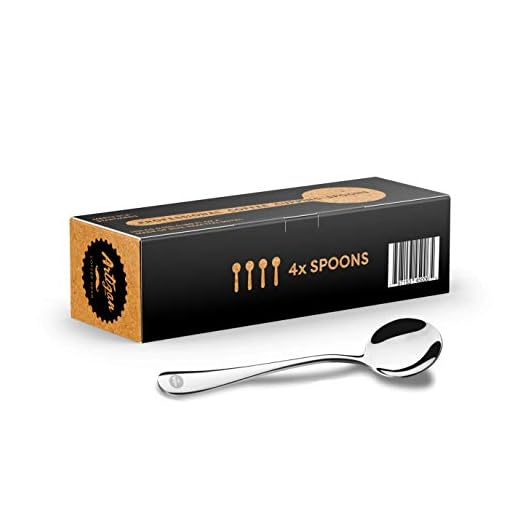
Question for the group — does anyone here use the SCA spoons just for ritual or actually for accuracy? I find them oddly satisfying to use.
Both — ritual and accuracy. The spoons standardize the tasting depth and volume, which helps when comparing samples. And yes, they feel great in the hand.
I use them mostly for accuracy when I’m trying to compare beans side-by-side, but the ritual aspect is real. Totally therapeutic.
Not gonna lie — the ‘Taste Like You Mean It’ section made me feel judged in the best way. I was guilty of gulping my double espresso every morning. Now I try to take 2-3 mindful sips.
Also, minor nitpick: the link to the SCA spoons in the article redirected me to a generic spoon set once. Anyone else have issues with product links?
Thanks for the heads-up, Tom — I’ll check those links and update if needed. Appreciate you pointing it out. Mindful sipping is the goal 😄
Yep, product links can rot fast on big marketplaces. If you search the exact product name ‘SCA Professional Stainless Steel Cupping Spoon Set’ it usually pops up.
Loved the “Smell Before You Brew” bit — totally changed my morning routine. I actually bought the Coffee Taster’s Flavor Wheel metal poster after reading this and it’s wild how many notes I start picking up. Also, pro tip: the SCA Professional Stainless Steel Cupping Spoon Set is super handy when you’re trying to be serious about tasting.
Anyone else find that the Lavazza Super Crema smells totally different from the Fresh Roasted Italian Dark Roast? I can’t decide which I prefer for pour-over.
Thanks Maya — glad the flavor wheel helped! Yes, lighter blends like Super Crema will show more floral and sweet notes on a pour-over, while the Italian Dark Roast pushes chocolate and roastiness. Try the Bodum pour-over to compare the clarity between them.
Maya — try smelling the beans right after opening the bag (Open the Bag!). You’ll notice the Super Crema has more aromatic oils up front, the dark roast kinda hides them under caramelized sugar.
I agree — Super Crema opens up with sugar and citrus on my Veken airtight canister days, but the dark roast wins when I’m in a “need caffeine and comfort” mood 😂.
This article made me laugh and then spend $60 on tools I didn’t know I needed. The Coffee Taster’s Flavor Wheel poster sits above my coffee station now and it’s become a conversation starter.
Also: anyone tried cupping with kids around? It’s a circus. 😅
P.S. the Lavazza Super Crema paired with milk is dangerously good.
Hannah, same here — the poster helped me describe flavors instead of just saying ‘it tastes good’. Also, yes — milk tames some sharp edges in the Super Crema.
Cupping with little ones = bring snacks for them and tell them it’s ‘grown-up juice’ so they chill for 10 minutes. Works sometimes.
Pro tip: do a cupping demo for them with hot chocolate first. They get the ritual, and you get silence for five minutes 😉
Glad the flavor wheel is bringing joy (and charting tasting notes)! Kids and cupping = adopt a one-cup-per-child policy? 😂
Okay guys, real talk — I tried a cupping session following the ‘Brew to Reveal, Not to Hide’ instructions and I think I messed up my kitchen for the day lol.
But seriously, using the SCA spoons and following the steps, I started picking up things like ‘black cherry’ and ‘molasses’ in the Fresh Roasted Italian Dark Roast that I never noticed before. The article’s method is legit.
Questions:
– How long should you let beans rest after roasting before doing a proper cupping? The piece hints at roast and storage but didn’t give a strict timeline.
– Also, is the Bodum pour-over just for looks or does it actually help ‘reveal’ flavors vs other brewers?
I’ve had luck cupping at day 5–10 for medium roasts. Dark roasts sometimes taste best earlier, weirdly. And the Bodum is simple and clean; not magical but it doesn’t add flavors so you can actually taste the bean.
Molasses notes? Yesss. You’ve graduated to sommeliér of coffee 😂
Great questions, Jason. For cupping, many roasters recommend waiting at least 3-7 days post-roast for the coffee to ‘degas’ but not too long; 7-14 days often gives fuller development depending on roast. As for the Bodum borosilicate pour-over — it’s neutral and shows clarity well, so it’s good for revealing flavors rather than masking them.
Also Jason — if your kitchen smells like coffee for days, that’s… a feature 😂. Ventilate and enjoy the aroma!
I second both admin and Lena. Also store beans in the Veken canister after opening to stabilize flavor.
If you’re doing multiple cuppings back-to-back, rinse the spoons well. Oils linger and can throw off subsequent tastings.