How to Dial in Your Espresso Machine
Find the Shot You Want
You can dial a shot that sings. Start simple. Learn one change at a time. Follow this guide step by step. Keep tools, time, and taste ready for better shots.
What You Need

Dial In Your Espresso Grind Size Like a Pro
Set a Clear Target
Do you want sweet balance or bright zip? Pick one and chase it.Name the shot. Pick a yield and a time. Aim for a 1:2 brew ratio and 25–35 seconds as a starting point.
Try an example. If you dose 18 g, aim for ~36 g in ~30 seconds. Note your machine and basket size. Write both down.
Make one change at a time. Keep the rest the same. Test, taste, and log. Without a target you chase noise.

Use Fresh Beans and a Clean Machine
Stale beans and gunk hide flavor. Clean gear and fresh roast do most of the work.Check the roast date. Use beans within three weeks of roast. Discard bags older than that for espresso.
Backflush the group. Wipe the portafilter and shower screen. Clean grinder burrs. Do these to remove oils and crumbs.
Try this: clean the group and burrs, dose fresh beans, then pull a shot. You will taste the real change. A clean path shows true taste. Old oils and crumbs mask your tweaks.

Weigh and Distribute Your Dose
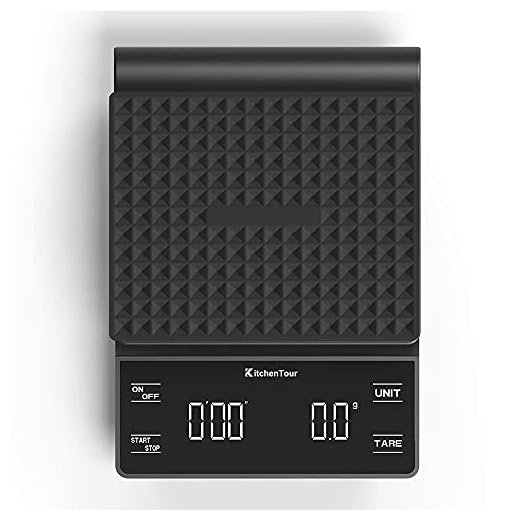
Guesswork ruins shots. Weigh. Level. Stop blaming the machine.Weigh your dose every time. Place the portafilter on a scale, tare it, and dose to your target. Example: 18–20 g for a double.
Use the basket you prefer. Do not swap baskets while tuning. Swapping changes volume and flow.
Distribute grounds with a wobble or a distributor tool. Level the puck with your finger or tool. Aim for an even surface.
Keep the dose consistent to keep one variable steady so you can tweak grind and time.
Adjust Grind Size to Hit Time
Coarse or fine? Let shot time tell you. Small moves. Big effects.Pull a test shot. Read the time and watch the flow.
Adjust one click at a time. Wait for the grinder to settle. Dose and pull again.
Repeat until your target time lands.

Tamp with Consistency
Tamp straight. Tamp firm. Don’t fight the puck.Place the tamper square in the basket. Apply steady pressure. Press straight down until the puck feels firm. Aim for the same force every time. For example, press with about 20–30 lb — like pushing a heavy suitcase.
Polish with a short twist if you like. Check the puck for cracks or channels. If water breaks at the edge, lift, redistribute, and tamp again. A stable puck makes flow even.

Pull, Taste, and Make Final Tweaks
Taste loud. Adjust quick. Repeat until the shot feels right.Pull a shot and time it. Smell the steam. Taste the shot. Note acidity, sweetness, and bitterness.
Make tiny changes. Change one variable at a time. Log each change and result. When it sings, lock the settings.

Keep Tuning
You will refine with practice. Taste each shot. Log changes. Make small moves. Brew with care. Try it now. Share your results and keep tuning for better shots daily repeat.
 Previous Post
 Next Post
Been dialing for months and STILL learn stuff from guides like this. A few random observations from my experiments:
1) If you’re chasing crema for photography, use slightly fresher beans (but not 1-day fresh) and a slightly finer grind.
2) For sweeter notes, a touch longer extraction sometimes tames acidity.
3) Tamping angle matters — practice until it feels level.
Honestly, this guide is solid but I’d love a troubleshooting flowchart in the appendix. Like: sour? -> look at time/grind/dose -> then next step. 🙂
Tamping angle is underrated. I accidentally made a slanted tamp once and had the worst channelling — learned the hard way 😂
Also to add: try a 2–3 second level tamp followed by a firm 20–30 lb press. People overthink force but underthink leveling.
Agree on the crema tip — also watch water quality. Hard water can make shots taste flat; some minerals help extraction nuances.
Thanks for sharing your experiments — we love real-world tips. A troubleshooting flowchart is a great idea; we’ll prototype one and include common symptom-to-fix mappings.
Flowchart sounds lit. Would include pics for ‘over-extracted’, ‘under-extracted’, and ‘channeling’ — visuals help a ton.
This guide made me rethink my whole routine — I was overcomplicating tamping. Now I’m focusing on small, consistent tweaks and it actually tastes better.
Also: LOL at the “Find the Shot You Want” intro. Took me two years to realize I didn’t have to aim for ‘third-wave perfection’ every single time 😂
Same here — picking one flavor goal made practice sessions shorter and more fun.
Love that shift in mindset — espresso should be enjoyable, not a constant stress test. Glad the intro resonated!
One frustration: this whole process assumes you have a decent grinder. If you only have a cheap blade or cheap burr grinder, what’s the minimum change you’d recommend? I can’t buy new gear right now.
Would appreciate a “cheap grinder survival guide” add-on.
Valid point. We’ll add a ‘Budget setup’ subsection. Short tips: stabilize dose by weighing, use consistent tamping, and make smaller grind adjustments. Also, try to buy whole beans from a local roaster that recommends coarser settings for cheaper grinders.
With a cheap grinder, focus on consistency: same dwell time for grinding, sift out fines if you can, and don’t chase extremely fine shots — aim for a balanced, slightly coarser extraction.
Short and sweet: the grind-to-time loop is everything. Took me three days to learn that the grind change is a smaller dial than I thought.
Also — shoutout to the “Keep Tuning” section. This is not a one-and-done thing.
Yep, I used to go from ‘too coarse’ to ‘powder’ overnight and ruin the beans. Small turns, let it rest, then taste.
Exactly — once you find a baseline, most adjustments are subtle. Glad the guide resonated!
Minor nitpick: the “Adjust Grind Size to Hit Time” section could use more concrete numbers for novices. Like: “if your shot is under 18s, go one click finer” — something like that.
Otherwise great. Also, how important is machine pressure calibration vs. grind? My machine is older and I suspect pressure drift.
Good point — we tried to avoid rigid rules but adding an example chart (under 18s -> finer; over 28s -> coarser, etc.) would help beginners. We’ll add that.
Regarding pressure: yes, pump pressure matters. If your machine’s pressure is off, dialing grind can only do so much. A service check or pressure gauge can help diagnose.
If you have a PID and can measure brew pressure, try a backflush with a blind basket and watch the pressure curve. Older machines often lose stable pressure over time.
Thanks — we’ll include a short section on when to call a tech vs. keep tuning at the grinder level.
Concrete numbers are useful but remember every grinder is different. Use the numbers as a starting point, not gospel.
Love the practicality here. Quick pro tip from my side: mark your grinder with tape after finding a good number. Saved me so many headache when switching beans.
Also — you might want to add a note about cleaning burrs weekly. Caked oils = weird shots.
Great tip, Jason — marking settings is a simple but powerful habit. We’ll add a cleaning reminder to the ‘Use Fresh Beans and a Clean Machine’ section.
Yes to the tape idea. I also keep a little notebook with bean name, dose, and grind mark. Helps when friends bring new bags over.
Loved the ‘Pull, Taste, and Make Final Tweaks’ step. Tasting between pulls and taking notes changed everything for me.
Tiny confession: I write down ridiculously honest notes like ‘too bitter, like taxes’ and it actually helps when I come back the next day lol.
Haha, love the honesty in your notes. Funny descriptors are actually great memory anchors. Keep them coming!
I do flavors like ‘lemon candy’ or ‘wet cardboard’ — both useful in their own ways 😅
If anyone wants, we can share a printable tasting sheet in the resource section — structured fields for dose, time, temp, and a ‘weird description’ box.
Huge thanks for this — finally a step-by-step that doesn’t assume I’m a unicorn barista.
I especially liked the “Set a Clear Target” bit. I spent ages chasing a golden ratio and not actually tasting what I wanted. Your tip to pick a flavor profile first (chocolate vs. bright citrus) and then chase time/grind makes sense.
One question: when you say “weigh and distribute,” do you mean weigh before tamp or after? I always feel like I’m doing things backward. Also, small typo in section 3: ‘Distribute Your Dose’ — maybe add a picture of palm distribution? 🙂
Agree with the admin — weigh before tamping. I actually keep a spare portafilter to practice distribution; feel free to try a few methods (tap, palm, WDT) and see what works for your basket.
Great to hear it helped, Sarah! Weigh before you tamp — that way you’re controlling dose, not tamp. Palm distribution pics are a good call, we’ll add one in the next revision.
Palm distribution pic would be awesome. Also, if you notice channeling after tamping, try a lighter tap on the side to even it out.
Okay real talk: I tried following this and my espresso still tastes sour. I followed steps 1–5 like a recipe but the pull is 18s and super bright.
I know you mentioned adjust grind size to hit time, but could it be my tamp? I tried to be “consistent” but maybe I’m not pressing hard enough? Ugh 😫
Detailed tips anyone?
Adding: water temp and age of beans matter too. If beans are super fresh (1–3 days post-roast) they can be wild. Let them rest a bit or bump temp slightly.
If you have a bottomless portafilter, use it — helps you see channeling. Also try increasing dose by 0.5–1 g before changing grind size; sometimes that balances the flow.
Sour at 18s is commonly under-extracted — try dialing finer in small increments (one step on your grinder) and retest. Also double-check dose: too little coffee can speed up extraction. For tamp: consistency matters more than force; 20–30 lbs is typical, but the goal is even compression.
One more: try pre-infusion if your machine allows it. It can help prevent the puck from blasting water through a few channels and leaving the rest under-extracted.
Noticed the guide didn’t dive deep into WDT (weiss distribution technique). For older grinders that clump, WDT with a thin needle helps a lot.
Do you think that’s advanced enough to be a separate step? Or just an advanced note?
If you’re short on time, try tapping and giving the basket a few light shakes — not as effective as WDT but better than nothing.
WDT is a great tool to mention — we’ll add it as an advanced tip in ‘Weigh and Distribute Your Dose.’ Good suggestion.
I do WDT sometimes, especially with dark roasts. It adds a minute but reduces channeling. Worth it in my book.