Pick Your Stirrer: Wood or Plastic?
Pick the Right Stirrer Fast
You use a stirrer every time you drink. It seems small. It can change taste, waste, and cost.
This guide cuts through the noise. It shows what wooden coffee stirrers and plastic drink stirrers do best. You get clear facts. You get sharp advice. It breaks options into clear facts. It lists strengths and limits. It scores environmental cost and real use cases.
Read fast. Choose with confidence. Save taste. Save money. Cut waste. Make the right stir. You will learn when wood wins and when plastic wins. You will learn quick tips to act now. Decide fast, smart, today.



Plastic vs Bamboo Matcha Whisk: Which Whisk Wins for Your Matcha
Why the Stirrer Matters
Work and feel
You expect a stirrer to do simple work. It blends sugar and cream. It checks the heat of a sip. It shifts the feel of foam and body. A heavy stirrer moves more liquid. A thin one bends and takes longer. That change alters your first mouthful. Think of the stirrer as a tiny tool that shapes your drink.
Safety and hygiene
You handle a stirrer near your mouth. That raises risk. Reuse can carry germs. A cracked wood stick can hold bacteria in its grain. Cheap plastic can soften in very hot drinks. Both can fail you when you least expect it. I once watched an office reuse wooden sticks for two weeks. People got sick sooner than they blinked.
Taste and material notes
A splintered wood stick can add a woody bite. A low-quality plastic stirrer can taste faintly waxy. High-end wooden stirrers feel dry and clean. High-grade plastic stays neutral and smooth. When you care about flavor — espresso, single-origin coffee, or a delicate tea — the stirrer matters more.
Waste and end-of-life
Single-use stirrers add volume to bins. Wood often breaks down faster. Plastic lingers. If you compost, wood can go back to soil. If you send it to landfill, both types add cost and clutter.
Quick use tips
Next up: a closer look at wooden stirrers, their real strengths, and where they fall short.
Wooden Coffee Stirrers: Strengths and Limits
What wood gives you
Wood stirrers feel honest in your hand. They bend a little. They do not melt. They roughen foam tops and mix well. You sense the grain. You do not taste plastic. For quick service, they work and disappear. In a busy break room, a wooden stick steadies a hand and gets the job done.
Where wood fails you
Wood breaks when stressed. It can splinter. It soaks oils and stains. A greasy espresso will mark the stick. Thin sticks twist and snap in thick drinks. Fast-cut wood can flake. Some batches smell like sawdust. If you reuse a stained stick, you risk off-flavor and hygiene problems. In cold drinks, wood can swell and soften its edges.
How to judge quality (quick, actionable)
Practical tips you can use now
Test one stick. Bend it gently. Any crack is a fail. Keep sticks dry until use. Toss stained or rough ones after a single use. For barista work, buy a heavier pack. For light office use, a basic pack like the Pantry Value works fine. In outdoor events, choose wood over cheap plastic—it won’t melt and it composts in a hot pile within months.
Plastic Drink Stirrers: Strengths and Limits
What plastic gives you
Plastic stays stiff. It slides through tall cups. It reaches the bottom of a shaker. It resists water and coffee oils. You do not get splinters. You get shapes: paddle tips, long swizzles, or little spoons. In a busy café, a plastic stick keeps pace. In a home bar, it lets you stir a layered drink with one clean sweep.
Where plastic fails
Heat can soften cheap plastic. Stir a near-boiling drink and the tip can bow. Some sticks shed tiny bits when stressed. You may notice a faint chemical note in a hot, acidic mix. Plastic lasts a long time in the trash. That forces a choice: toss and pollute, or keep and risk reuse.
Best practices for use
Tips for buying and disposing
You will trade durability and convenience for an environmental decision. Use plastic where it helps you move fast. Swap to safer options when heat, taste, or waste matters.
Environmental Footprint and End of Life
Carbon and materials
Wood locks some carbon while it grows. If you pick wood from swift-cut forests, you add harm fast. Sustainably sourced birch or poplar has a small carbon cost. Plastic comes from oil. It costs more carbon to make. It also adds new fossil carbon to the air when burned.

Real disposal routes
Your choices end up in one of a few places. Know them.
Quick, actionable steps
Match your values to these routes. Next, we’ll put these trade-offs alongside cost and supply so you can choose what fits your shop or home.
Cost, Supply, and Practical Use Cases
Prices and budgets
Price matters. Buy by the box and plastic wins on unit cost. Typical bulk plastic runs $5–$15 per 1,000. Typical bulk wood runs $8–$30 per 1,000. Numbers shift with length and thickness. If you watch margins, do the math on cups served per day. A busy cafe will see savings fast.
Supply and ordering tips
Order to your pattern. Track daily use for two weeks. Multiply to get a monthly burn rate. Then add a safety buffer. Stagger orders. One big order saves per-unit cost but ties cash. Smaller, frequent buys cut storage needs. Talk to a local distributor to trim freight. Ask for samples before you buy 10,000 pieces.
Storage and handling
Keep wood dry. Store in closed boxes. Humidity can warp sticks. Stack boxes flat. Keep plastic away from direct heat. Label boxes with date in. Use FIFO: first in, first out. Train staff to grab the right box.
Practical picks by use case
Quick, actionable moves
Choose the option that fits your flow, your image, and your cash.
How to Choose: Quick Decision Guide and Tips
Quick checklist you can use now
Start with the drink. Hot coffee needs heat-safe wood or plastic. Cold cocktails need sturdy plastic or a long swizzle stick. Count waste. If low waste matters, favor compostable wood or a reusable metal stirrer. Check budget. Check brand. Check local recycling rules. Order samples. Train staff. Keep a backup pack.
How to test fast
Run a one-week trial. Give staff two options. Swap between shifts. Ask staff to log breakage, splinters, and customer comments. Count leftover sticks at day’s end. Note which style speeds service. Use a simple score: durability, speed, guest feedback.

Practical tips that work
Train staff in ten minutes. Show how to stir once, not wave sticks like flags. Keep stirrers in a dry, marked container. Use printed wood or colored plastic for events to match a brand. If you run a bar, test long 9″ paddles for heavy mixers. If you run a cafe, try 5.5″ birch first.
A pop-up I ran cut waste by 30% when we switched to compostable birch and trained the team. Your gains may differ. Test to know.
Use this checklist to make one clear decision. Then move to the Conclusion to tie that pick to your values and needs.
Choose by Use and Values
No stirrer is perfect. You pick what fits your drink, place, and values. Try wood if you want warmth and composting. Try plastic if you need strength and repeat use. Match the stirrer to the cup and the task. Think of waste. Cut single use where you can. Keep a stash of reusable spoons or metal picks for repeat needs.
Use this guide. Test what feels right. Make small swaps. Tell staff and guests your choice. Stay practical. Stay kind to the planet. Keep the choice simple. Use what works. Start today, one step forward.
 Previous Post
 Next Post
Wooden ones soaked in hot chocolate once and started to fall apart. I thought birch was supposed to be better? I had a pack of Gusto 5.5″.
Anyone else have this?
Sorry that happened, Daniel. Under “Wooden Coffee Stirrers: Strengths and Limits” we note that prolonged soaking, very hot sugary drinks, or leaving them in cups can cause softening. Thicker birch sticks like Perfect Stix usually resist that better than thinner Gusto or Pantry Value sticks. Quick tip: remove the stirrer after mixing and discard — don’t leave it sitting in the cup.
Nice read. The “How to Choose” quick guide made me realize I should just pick based on use-case:
– Office hot drinks = wooden (ANTETOK or Gusto)
– Bar/cocktails = swizzle sticks or black plastic
– Big events = cheaper Pantry Value
Question: any thoughts on cost per stirrer comparison? I couldn’t find exact math in the article.
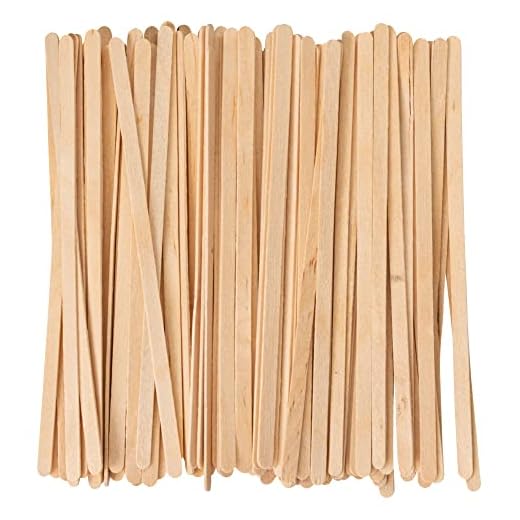
Also — are the Perfect Stix noticeably thicker than Pantry Value when pictured side-by-side?
Also check supply notes in the article: bulk events sometimes make cheaper packs more practical despite lower quality.
I did the side-by-side — Perfect Stix are clearly thicker and sturdier. Worth it if you stir thicker drinks or want to avoid soggy ends.
If you’re price-sensitive, buy Pantry Value in bulk and keep a smaller box of Perfect Stix for special orders. Works great for me.
Great summary, Sophia. We didn’t list exact per-stirrer prices because Amazon listings fluctuate, but generally: Pantry Value tends to be the cheapest per unit, then ANTETOK/Gusto in the mid range, and Perfect Stix are a bit more because they’re thicker. If you want, tell me how many you need and I can estimate current price ranges.
Love this breakdown — helped me decide fast!
I used ANTETOK 7.5″ Birch sticks at a pop-up once and they felt sturdy, way better than the thin Pantry Value ones. The Perfect Stix Thick are great if you stir milky drinks (no soggy mess).
Quick note: if you stir vigorously, some birch sticks can splinter a tiny bit — nothing dangerous but annoying.
Also, anyone else find the black plastic (Chef Craft) looks classier for iced drinks?
Good article overall, nice quick decision guide.
Thanks Laura — glad the guide helped! Good call on sturdiness: birch sticks like ANTETOK and Perfect Stix tend to hold up better in hot and creamy drinks. We mentioned splintering under “Wooden Coffee Stirrers: Strengths and Limits” — usually an issue only with thin budget packs.
Black plastic does look slick, but I always worry about disposal. If it’s for a one-off iced coffee, the look wins tho 😂
Totally agree. Used Pantry Value for a catering gig and they got soggy fast. Now I keep a box of Perfect Stix for customers who order lattes.
If you’re throwing a tiki night, skip the boring wood. Ball-Head Crystal swizzle sticks = instant mood. 😜
They look way fancier than a wooden stick and guests always comment on them. Plus you can reuse them forever. Downsides: pricier and not eco-friendly, duh. Perfect for small gatherings though.
This is such an important discussion. I try to avoid single-use plastic as much as possible.
I like ANTETOK and Perfect Stix for composting at home, but I’m unsure which of those Amazon packs are actually certified compostable — anyone checked packaging?
Also, the article’s “Environmental Footprint” section was helpful but need more on local disposal options. Can municipal compost accept birch stirrers?
PS: Does anyone know if Ball-Head Crystal sticks are recyclable? They feel plastic-y and pretty, but I don’t want to trash them.
If you want, I can add a short checklist on the article about how to verify packaging claims and local rules — would that help?
I checked my city’s compost FAQ — they accept clean, untreated wood. So the plain birch sticks were okay. But double-check locally!
Great points, Maria. Packaging varies by seller — some birch sticks are labeled ‘biodegradable’ but not all are certified industrial compostable. Many municipal composting programs accept untreated wooden stirrers, but rules differ by city. We recommend checking your local composting guidelines. Ball-Head Crystal swizzle sticks are typically acrylic and not curbside recyclable; they’re best reused repeatedly or donated if in good shape.
Ball-Head ones are great for cocktail parties — I wash and reuse them for months. Not recyclable but very reusable.
Thanks for bringing this up. I save used wooden stirrers for seed starters in my garden — they biodegrade nicely.
Plastic forever. Chef Craft 5-inch black stirrers are cheap, don’t bend, and look kinda pro. Comfy Package ones are fine too.
Yeah yeah environment — I reuse them for like a week, wash with soap. The Ball-Head Crystal swizzle sticks are overkill for my morning coffee but awesome for weekend cocktails 😎
Appreciate the perspective, Ethan. We covered reuse and end-of-life in the “Environmental Footprint and End of Life” section — reusing plastic stirrers helps, but eventually they add to plastic waste. Good tip about using them for cocktails though; they do look great.
Reusing is smart, but plastic can harbor scratches/bacteria if reused too long. I alternate and replace every couple weeks.