Sip, Score, Learn: Tasting Notes for Your Coffee Sampler
Begin Your Tasting Journey
You hold a sampler set. You have small bags and a head full of curiosity. This kit will teach your senses. It will sharpen your ear and your palate.
Taste with intent. Make notes. Learn to score. Find what you like and why. You will buy better beans. You will brew with purpose.
Have fun while you learn. Be brave. Sip slowly. Write what matters. In time you will speak the language of coffee. You will know what to keep and what to pass. Share notes. Trust your taste. Keep asking questions with each cup today.



Master Coffee Tasting: A Beginner’s Guide
Know Your Sampler: Origins, Roast, and Labels
Read the origin
Open the pack and read. You will see a country name. You might see a region or a farm. Those names tell a lot. High mountains give bright acids. Volcanic soil gives mineral notes. Coastal plains give rounder cups. See “Yirgacheffe”? Expect floral and tea-like hints. See “Huila, Colombia”? Expect caramel and red fruit. Use the name to set a first guess.
Spot the roast level
Roast level tells you what the bean shows. Light roast keeps origin flavors. You will taste fruit, acid, and floral notes. Medium roast softens acid and adds caramel. Dark roast puts sugar and oil on the stage. You will taste chocolate, smoke, and bitter. If the bag says “dark,” do not expect jasmine. If it says “light,” do not expect heavy cocoa.
Know the processing
Processing is how the cherry became a bean. It changes the fruit in the cup.Washed (wet): fruit removed early. The cup is clean. Acidity stands out.Natural (dry): whole fruit dried on the bean. The cup gains jam and berry.Honey (pulped natural): a middle road. Sweet, sticky, and balanced.Read that tag. It steers your taste map.
Read labels like data
Look for these tags and mark them down:
Quick habits to set a baseline
Always check the roast date. Fresh is not always best, but stale is bad. Note altitude and processing. Jot a one-line expectation before you brew. That keeps you honest. It stops you from guessing.
Now that you can read the pack, you will taste with a map. In the next part you will set up the tools and the brew order to test those notes.
Set Up to Taste: Tools, Brew, and Order
Gear that keeps you honest
Buy simple gear that makes results repeatable. Get a burr grinder. Get a small scale. Use clear cups. Heat clean water. A consistent rig cuts noise. It shows the bean.
A cheap blade grinder chews beans. A burr grinder cuts them even. A pocket scale like the American Weigh or a smart scale like the Acaia Pearl keeps dose exact. Use glass or white ceramic cups so you can see the color.
Pick one brew and stick to it
Compare like with like. Choose a single method for the whole flight. Try a small pour-over (Hario V60 or Kalita Wave) or a cupping bowl. Both give clarity. Both are easy to repeat. Do not mix pour-over one minute and French press the next. You will chase ghosts.
Keep grind, dose, and time the same
Grind the same for each bag. Measure dose by weight. Time the brew. Use the same pouring pattern.
Water and temperature
Use filtered water. Heat to the same temp for each brew. Aim 93°C (200°F) for most roasts. Let water sit 30 seconds off boil to settle. A kettle with a thermometer helps. Hot or cold swings change acid and sweetness. Keep it steady.
Order, palate, and place
Taste in a quiet spot. Sit. Turn off distractions. Taste lighter roasts first, then darker. Move from delicate to bold. Taste one bean at a time. Rinse the cup between tasters. Clean your palate between cups with water and plain bread. A quick snack resets your tongue.
Record each brew
Write a note for every cup. Jot grind, dose, time, temp, and a one-line first impression. Use the same cup and the same pen. This creates control. Control reveals true difference.
Next, you will learn how to pick apart those differences with smell, slurp, and score.
Taste Like a Pro: Smell, Slurp, and Score
Cup the dry grounds
Cup the dry beans. Bring the grounds to your nose. Breathe deep. Note the first hit. Floral? Nutty? Green apple? Say the first word that comes to you. Short words stay.
Pour and sniff again
Pour water. Wait a minute. Lean in. Smell the wet crust. You will find different notes. Tell the full truth. A clean nose finds more cups.
Slurp loud
Scoop. Slurp. Let air cut through the coffee. The sound matters. Air wakes flavor. Taste acidity first. Then body. Then flavor. Then finish. Move fast. One sip can tell you the rest.
Use plain words
Keep words short. Bright. Round. Clean. Syrupy. Bitter. Sweet. Sticky. Juicy. These words point the same way to others. If you write “bright,” you know what you mean next time.
Score with numbers
Pick a simple scale. Use 1–10 for each part. Be strict and steady. Score:
Mark the numbers on your sheet. Write one quick word beside each score. A number anchors the gut. A 7 should feel the same across bags.
Taste again if unsure
If a score feels off, brew and taste again. Taste in the same place. Use the same spoon. Use the same cup. Repeat builds memory. If you train on the same scale, you learn what a 7 tastes like. That feeling steers your buys later.
A friend once judged a Guatemala as a 6 for acidity. Months later she smelled the same note in a roast from her go-to roaster. She bought it without doubt. That is the point. Keep tasting. Keep scoring. Next, you will learn how to write notes that help you buy better.
Write Notes That Matter: Descriptors, Tools, and Comparison
You write to remember. You write to buy better. Keep each line to one thought. Short lines save time. They force truth.
One-line notes that work
Write like a tweet. One idea per line. Use anchor words. They are the fast keys: fruit, nut, chocolate, floral, spice. Add body and mouthfeel. Add aftertaste and balance.
Example line:Guatemala — fruit, chocolate. Medium body. Smooth mouthfeel. Citrus aftertaste. Balanced. 8/10. Dose 18g. Grind medium-fine. 93°C. 3:00.
What to record
Tools that keep you honest
Use a simple form. Use an app if you like. Google Sheets works. Taster’s app or Brew Logger also work. A paper card does too. The goal is habit. The form must be quick.

A small scale saves notes. It ties score to dose. It makes your brew repeatable.
Line them up and rank
When you taste many beans, put them on one sheet. Arrange side by side. Rank them by score. Draw a line through the best three. Look across anchor words. Do brighter cups come from one farm? Does one roast give more body?
Compare over time
Taste the same bag after a day. Taste it after a week. Write both notes. You will see change. Fresh acidity fades. Oils rise. These shifts teach you when to drink each coffee.
Use the trends
Find patterns. Buy more of what you like. Tweak your grind and dose to chase a note. A clear note on paper turns into a better cup at home.
Turn Tasting Into Action: Adjust, Buy, and Share
You made notes. Now use them. Small moves turn a good cup into the cup you crave.
Adjust your brew
If you want more brightness, aim for higher-acid beans and lighter roasts. If you want body, try darker roasts or a natural process. Then change one variable at a time.
Try one change per brew. Taste. Note the result. In one home test, two clicks finer and 0.5 g more dose took a 7/10 to 8/10. That single habit beats trial-and-error.
Buy smart
Buy more of what scores high. But buy smart, not just large. Check roast date. Choose whole bean. Start with 250 g before you commit to a kilo. Label bags with roast and open dates.

Quick buying rules:
Store and rotate
Store beans sealed and cool. Use opaque, airtight containers. Avoid the fridge. Mark the date you opened the bag. Use the oldest beans first.
Good products: a simple valve bag, an Airscape canister, or a Fellow Atmos if you want sleek gear. Keep portions small. Grind only what you need.
Share, teach, and build a sampler
Host a tasting. Bring three brews. Give each friend a one-line card with your notes. Teach one simple trick: how grind or time changes the cup.
Build your own sampler by picking beans that test different notes. For example: Ethiopian for citrus, Brazilian for chocolate, Kenyan for berry, Sumatra for earth. Pack small bags, label roast dates, and send as a thoughtful gift.
Your notes will help you repeat the cup you loved. They make buying, brewing, and sharing simple. Onward to the closing thoughts.
Keep Tasting, Keep Learning
Taste often. Keep notes short and true. Let each cup teach you one new thing. Use your sampler to try wide ground and narrow focus. Score with care. Mark what you like and why. Repeat the same brew to learn change.
You will learn fast. Buy what you understand. Adjust grind, dose, and time with purpose. Share a cup and your notes. Keep the habit. Keep the page. Keep the cup. Enjoy the cup. Taste again in a week. Note what shifts. Trust your score. Buy one bag. Try another. Grow your list. Teach a friend.
 Previous Post
 Next Post
Loved the “Set Up to Taste” section — finally someone explained why order matters. I grabbed the White 200ml Stackable Coffee Cupping Bowls, 24-Pack for a mini tasting with friends and it made cleanup so much easier. Also used the OXO Conical Burr Coffee Grinder, One-Touch and the consistency was night-and-day compared to my old blade grinder.
Two quick tips from my side:
1) grind just before cupping
2) use the scale+timer for consistency (saved a lot of arguing about who brewed “too weak”).
Would love a follow-up post on how to host a tasting party!
I did something similar last weekend and used pourover for two samples and a French press for one — helped highlight body differences. The bowls made it feel so official lol.
Photos would be amazing — also curious what brew method you used for the cupping. I assume pour-over for consistency?
So glad that helped, Olivia — and great tips! A short guide to hosting (guest count, timing, and a simple score sheet) is on my list for the next post. If you want, share a photo of your setup and I’ll highlight a reader setup section.
FYI the Black 200ml Stackable Coffee Cupping Bowls, 12-Pack fit neatly into my small cabinet and stack like Tetris 😂 Also they hide stains better than white ones (yes, I judge cups by cleanliness).
Used them with an improvised score sheet from the article and it felt very pro.
Black bowls + good lighting = very photogenic tasting setup. Do you mind sharing which light you used?
Love the Tetris reference — glad they worked out for space! Thanks for the practical seal of approval on the black bowls.
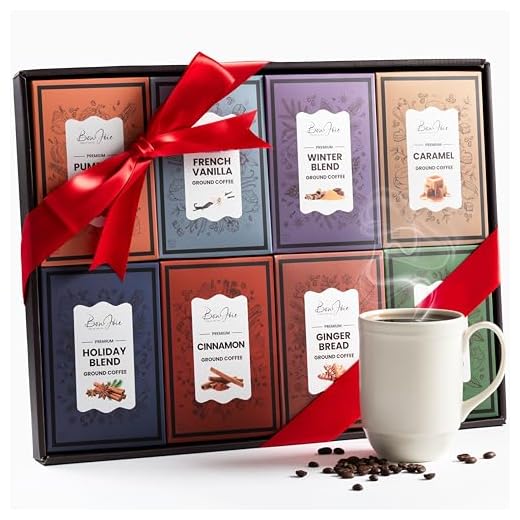
I tried the Holiday Eight-Flavor Ground Coffee Sampler Gift Set after reading the “Turn Tasting Into Action” section and it was SUCH a fun intro. Notes:
– Some flavors were predictable, some surprised me (didn’t expect chocolate in #5!)
– Ground sampler is convenient for travel but I missed that fresh-bean aroma you get with whole bean
– Writing notes helped me remember which blends to reorder
If anyone’s on the fence between ground sampler vs Atlas World Coffee Discovery 8-Pack Whole Bean, happy to compare my notes.
Would love to read your side-by-side notes! I’ve been meaning to pick between the Holiday sampler (for gifting) and the Atlas (for my own exploration).
Great observations, Amina — chocolate surprises are the best. If you can, try brewing the same roast from the whole-bean Atlas pack and compare right away; that direct side-by-side is a great learning exercise for differences in aroma and body.
On “Write Notes That Matter”: I started using a simple app to log descriptors and images, but the article’s suggestion to compare two beans side-by-side changed my approach. Now I do three-cup comparison rounds and it reveals tiny differences I used to miss.
Question for the group: any recommended templates or apps that sync across devices? I want something simple, not an elaborate tasting database.
Great workflow, Priya. For simplicity, some people use Google Sheets (shared, searchable) or note apps like Evernote/Notion with a basic template. If you want, I can share a downloadable 1-page PDF scorecard that works well on phones.
Good idea on voice memos — sometimes I’m just too lazy to type between cups 😂
I use a voice memo app + quick tags. Less typing, more tasting.
I made a tiny Notion page template — DM me and I’ll send the link. Minimal and mobile-friendly.
Long post incoming bc this article touched a nerve (in a good way) 😅
I did a three-week tasting project using the Atlas World Coffee Discovery 8-Pack Whole Bean vs the Holiday Eight-Flavor Ground Coffee Sampler Gift Set. Process:
1) ground Atlas with the OXO Conical Burr Coffee Grinder, One-Touch right before brewing
2) used the Mini USB-C Espresso Scale with Timer, Precise to hit the same dose/time every cup
3) cupped into White 200ml Stackable Coffee Cupping Bowls, 24-Pack (because I spilled once and wanted backups)
Findings:
– Whole bean always had cleaner, brighter top-notes
– Some ground sampler packs are excellent for comfort drinks (cozy, predictable)
– The scale improved my repeatability a TON — recommend putting it on a stable surface to avoid jitter
Typos aside, this article gave the exact steps I needed to get methodical. Would love a deep-dive on flavor wheels next (and maybe a printable tasting sheet). Also, anyone else misread “slurp” as a personal challenge? 😂☕️
If you want, I can sketch a printable tasting card based on your three-week format and share it here.
This is fantastic detail, Hannah — thank you. A flavor wheel deep-dive and printable tasting sheet are both excellent ideas; I’ll prioritize those. Also, slurp challenges are encouraged 😄
Love the methodology breakdown. Your point about whole-bean vs ground matches my experience — great write-up!
I accept the slurp challenge. Loser buys beans? 😆
Quick heads-up: my Mini USB-C Espresso Scale with Timer, Precise arrived and the timer is great, but the weight readout jumps a bit when I tap the cup. Is that normal or did I get a dud? I double-checked batteries and it’s on a flat surface.
Kinda annoyed because the article made it sound like a must-have for clean scoring, but I’m not 100% convinced yet.
Mine did a tiny jitter too until I put the scale on a wooden cutting board. Problem solved. Might help you.
Some of those mini scales are finicky with lightweight cups — use the same cup each sample and tare it first. That removes most of the noise.
Good call, will try the cutting board trick tonight. Thanks y’all 👍
Thanks for flagging that, Marcus. Some of the compact scales are sensitive — try placing something heavier under the cup (like a small silicone mat) to reduce vibrations, and make sure the scale is zeroed with the vessel before dosing. If it still jitters, reach out to the seller for a replacement.
Not sure how I feel about the scoring system — feels a bit like grading art. The “Taste Like a Pro: Smell, Slurp, and Score” section is helpful, but I worry beginners will obsess over numbers instead of enjoying the cup.
That said, the Black 200ml Stackable Coffee Cupping Bowls, 12-Pack look slick and probably help with focus. Anyone else split between scoring and just tasting?
As someone who likes spreadsheets, scoring is fun — but I agree, it shouldn’t replace enjoyment.
I started scoring religiously, now I mostly jot quick descriptors and one star rating for memory. Makes tastings more fun and less high-stakes.
I alternate — one session formal score, next just vibe-check cups with friends. Keeps it balanced.
Totally fair point, Benito. The scoring framework is meant as a training wheel — after a few sessions most people use a light version (just 2–3 metrics) or just jot down impressions. The bowls are mainly to keep samples separate and consistent, not to make it clinical.
If there’s interest I’ll add a ‘quick tasting’ scorecard template in the next post — 3 fields: aroma, balance, overall + a little descriptor box. Short and usable.
Haha I tried to “taste like a pro” and accidentally described a cup as “autumn hiking socks”. Not sure if that’s a thing. The OXO Conical Burr Coffee Grinder, One-Touch did make the grounds look very consistent though — so I blame my nose 😂
If it helps, write a short translation next to the descriptor (e.g., ‘autumn hiking socks = dry leaf + cedar’) so others get what you meant.
Autumn hiking socks — I love it. Flavor descriptors can be weird and personal; it’s part of the fun. Consistency from the OXO will definitely help you isolate those odd but memorable notes.
Funny — I once wrote ‘library dust’ and my partner laughed for days. Keep the poetic notes coming, they’re gold for memory.
Short and sweet: atlas > sampler? Depends on whether you want whole-bean freshness or convenience. Both have their place.
Exactly — Atlas World Coffee Discovery 8-Pack Whole Bean is great for exploration and freshness; the Holiday Eight-Flavor Ground Coffee Sampler Gift Set is perfect for gifting or travel. Both are useful tools depending on your goal.
Agree — I keep the Atlas for weekend tasting and the holiday ground packs for office sharing.