Your First French Press: Easy Recipe for KD 14
Start Simple: Your First French Press
You can make great coffee with a French press. You need a few bits of gear and a clear plan. This article gives you one simple recipe: KD 14.
You will learn the gear. You will learn the ratio. You will learn the steps. You will learn quick fixes.
Follow the plan. Taste often. Adjust small things. Learn fast. This is hands-on. This is not theory. Make a pot. Drink it. Decide.
No fancy tools. No long rules. Start now. Stay curious. Your next cup will teach you more, and taste boldly now today.



Master French Press Coffee at Home: Easy Step-by-Step Guide
What You Need: Simple Gear and Good Beans
The gear that matters
You do not need a lab. You need tools that work. Get a sturdy French press. A 1‑liter (34 oz) press fits two to four cups. Choose glass if you like to watch the bloom. Choose stainless if you want rugged and heat‑safe. Pick what you will use.
The grinder and the grind
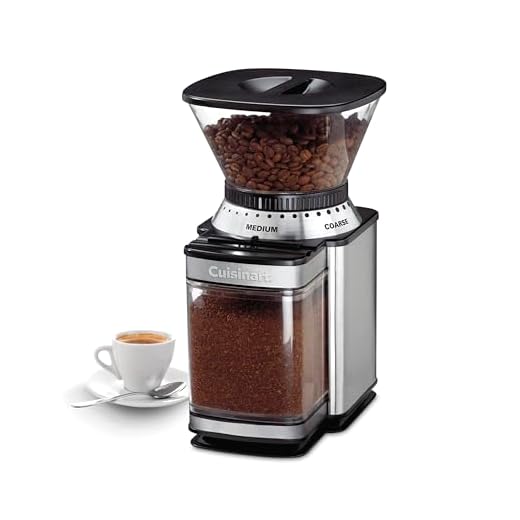
Buy a burr grinder. It gives even particles. Blade grinders do not. Grind right before you brew. Aim for a coarse, even grind — like coarse sea salt or breadcrumbs. If your press is slow to plunge, your grind is too fine. If the coffee tastes weak, grind a touch finer.
Scale, kettle, and timer
A good scale beats tablespoons. Use one that reads to 0.1 g or at least 1 g. A simple digital kitchen scale works. Use a kettle you can pour steadily. A gooseneck kettle helps if you want control. Use any timer — phone, watch, or cheap countdown timer.
Water and beans
Use whole beans. Buy what smells fresh. Roast dates matter. Grind within 30 minutes of brewing. Use filtered water. Tap water can add dullness or odd flavors. Heat the water to 195–205°F (90–96°C). If you don’t have a thermometer, let water boil and rest 30 seconds.
Small extras that help
A quick real moment: I once used supermarket preground and the pot tasted flat. Fresh beans and a fresh grind fixed it. You do not need fancy gear to get great coffee. You need fresh beans, a steady hand, and plain care.
KD 14: The Easy Recipe and Ratios
What KD 14 means
KD 14 means one gram of coffee for every fourteen grams of water. It is a simple rule. It yields a bold, clear cup. It works for press coffee and for many other brews. Use metric if you can. It keeps math clean and results repeatable.
Common sizes and quick math
Use the formula: coffee (g) = water (g) ÷ 14. Here are common fills you will use.
These numbers round to whole grams for ease. A small press and a travel mug fit the 350 g mark. A 500 g cup is a single strong serving. A full 1,000 g press suits sharing.
If you must use spoons
Spoons lie. They vary by bean, roast, and grind. A heaped tablespoon of medium roast can be 7–12 g. That is a wide swing. If your scale breaks, use a spoon as a stopgap. Then move to weight as soon as you can. You will notice the cup change.
How to tweak — simple steps
Start with KD 14. Taste it straight. If you want stronger coffee, go up in small steps. If you want lighter, move down. Change by about five percent each time. Five percent on KD 14 is small. It is one to two grams for most home doses. Write down each change. Note date, beans, grind, and water temp. Good notes get you back to a cup you love.
Real-use tip
If you brew at work, weigh the water into a travel mug. Measure coffee in a jar at home. Keep the dose the same. You will get the cup you expect, not a surprise.
Step-by-Step: Brew KD 14 in Your French Press
Heat and preheat
Heat water to about 93 °C. Just off a rolling boil. If you do not have a thermometer, let the kettle sit 30 seconds after boiling. You want hot, not scalding.
Warm the glass or steel press by rinsing it with hot water. That keeps the brew temperature steady. It stops the metal or glass from stealing heat. Use a good kettle. It makes pouring steady and easy.
Add your grounds and start the clock
Put your ground coffee in the empty, preheated press. Level it. Start your timer the moment you touch the water. A timer keeps the cup the same each time. Use a scale and a small timer. If you are rushing, a phone timer works.
Wet the grounds and bloom
Pour about half the water in. Pour slow. Cover all the grounds. Let them bloom for 30 seconds. The bloom releases gas. It helps water reach every bit of coffee. You will see bubbles and a rise. That is good. It means the coffee is fresh.
Fill, stir, and cap
After 30 seconds, pour the rest of the water in slow circles. Pour near the edge. This wets the bed evenly. Give one quick stir with a spoon. Move the spoon through the top to break dry pockets. Place the lid on with the plunger pulled up. Do not press yet. The lid keeps heat in and dust out.
Steep four minutes
Let the coffee steep for four minutes for a clean cup. Four minutes gives clarity and balance with KD 14. Set your timer. Sit still. Don’t lift the lid. The water and coffee need time to work together.
Press slow and steady
After four minutes, press down. Use smooth, even pressure. Count slowly to 10 as you push. Go steady. Fast plunges force fines and make the cup muddy. A slow press yields a clean glass.
Pour and clean
Pour all the coffee at once. Do not let coffee sit in the press. Grounds keep brewing and will over-extract. Rinse the press right away. Dump the grounds, rinse the mesh, and wash the carafe. A clean press makes the next cup taste true.
Quick check
Next you will learn how to fix common faults if the cup tastes bitter, weak, or muddy.
Fix It Fast: Troubleshoot and Tune
Quick checks first
Taste it. Decide which fault you hear. Weak. Bitter. Muddy. Lacking smell. Cooling too fast. Each fault has a clear fix. Change one thing at a time. Keep a note. Small moves give big answers.
Weak coffee
Use more coffee. Add 1–2 grams. Or grind a touch finer. Finer grind lets water pull more solubles. Don’t jump both at once. Try one change. Brew again.
Bitter coffee
Shorten the steep time by 15–30 seconds. Coarsen the grind a notch. Bitter often means over-extraction. A coarser grind gives less surface area and less bite. If you press too fast, slow the press.

Muddy or silty cup
Your grind is too fine or you pushed too hard. Try a coarser setting. Move to a slow, steady press. If you used a blade grinder, switch to a burr. Burrs give uniform crumbs. That clears the cup. For home, models like the OXO, Baratza Encore, or a hand mill (Hario Skerton) make a big difference.
Lacks aroma
Use fresher beans. Roast date matters. Heat your water hotter — closer to 93 °C. Pour with a steady, even flow to wake the oils. Grind right before brewing. Aroma fades fast; you can smell the difference in days.
Cools too fast
Warm your cup and press before you brew. Pour hot water into the cup and dump it out. Use an insulated French press or a thermal mug. A steel press holds heat better than glass.
Track one variable at a time
Write this down: date, beans, grind setting, dose, water temp, time. Change grind first. Then tweak time. If the cup still off, alter dose or temp. After three tries you will see the pattern. Small notes build big skill.
Serve, Store, and Try Small Tweaks
Serve it hot and now
Pour and drink. Your press coffee lives its best life in the first 10–20 minutes. Oils shine. Acids sing. After 20 minutes the cup flattens. I once left a press on the bench for half an hour and lost the floral notes. Don’t wait. Heat and fresh cup matter more than fancy extras.
If you must store
Never leave brewed coffee in the press. The grounds keep pulling. The cup turns bitter and muddy. Decant to a sealed thermal carafe. It will hold heat and stall the change in taste.

Good carafes work like a small vacuum flask. Brands like Zojirushi and Thermos lock heat for hours. Seal the lid. Keep the carafe near the stove. Avoid the fridge for hot coffee — it dulls the aroma.
Best short storage moves:
Simple serve tweaks
Small things can save a cup. Try one at a time.
These moves change the cup without changing brew gear. They are easy to test at the table.
Tweak one variable per brew
Change one thing only. A single, small change shows you the effect fast.
Keep a note. Taste. Repeat. You will learn more this way than by wild swings.
Ready to pull it together? Next is a short wrap that helps you make KD 14 your own.
Make It Your Own
You now have a clear path. KD 14 gives you a steady start. Brew with calm. Taste what you make. Note what you like and what you do not. Change one thing at a time. Grind, time, or dose. Keep the steps simple. You will learn fast.
Make this recipe your base. Bend it to your taste. Try a bit more coffee for strength. Try a coarser grind for ease. Try a shorter brew for brightness. Record each tweak. Share your wins. Then brew again. Enjoy the quiet ritual and your cup each morning proudly often.
 Previous Post
 Next Post
KD 14? Sounds like a code name for a spy coffee. 😂
Anyway, tried the brew. Pretty solid. The tip about giving the crust a gentle stir before plunging saved the cup for me. No idea why it feels so fancy using the Maestri scale, but it does.
Haha KD 14 does sound like espionage. Glad the crust stir worked — helps release gases and equalize extraction. The scale makes the ritual feel official, which is half the fun.
Article useful but wanted more on cleaning the mesh filter. After a few uses mine gathered oils and got a bit funky. Found a cheap brush helps but where’s the official guidance?
Also, the Veken states stainless steel — does that mean it’s dishwasher safe?
Long post — bear with me, I tried troubleshooting for an over-extracted, low-acidity cup and found a few patterns. Hope this helps people who are tweaking:
1) Beans: fresher beans (3–7 days post-roast) = brighter KD 14. Older beans = flat and bitter.
2) Grind: go coarser if you get astringency. I moved from ~8 on the Cuisinart to 10 and got better clarity.
3) Water temp: Cosori kettle (no plastic, yay) is great because it hits boil quickly. Let it drop to 94–96C if you want brightness.
4) Plunge technique: slow steady push, not a slam.
Also — storing the brewed coffee in the 70oz thermal carafe works brilliantly for guests. Made a batch this weekend for brunch and no one complained lol.
Good exchange. For readers: if you can, taste at every tweak and make one change at a time — grind, time, or temp — to isolate effects.
Fantastic troubleshooting list — all excellent points. Emphasizing roast age is important and often overlooked. Slow plunge is underrated.
Sofia — what roast level did you use? I find lighter roasts need more precise temps to shine.
Agree on the temp tip. If you try too-hot water, you’ll pull bitter notes. I use a small thermometer with my Cosori just to be safe.
Tom — I usually go medium roast for KD 14. Light can be great but is less forgiving, imo.
Great article. Quick q: between the Cuisinart DBM-8P1 and the OXO conical burr, which one plays nicer with the KD 14 ratio? I want consistent medium-coarse for the press. I’m leaning toward OXO but Cuisinart is cheaper.
Also, is the Maestri scale necessary? I usually eyeball but would like to be more consistent.
Both grinders can work, but OXO tends to give a more even medium-coarse grind for me. The Cuisinart is fine if you play with settings and knock out the fines. The Maestri scale isn’t strictly necessary, but it makes dialing in repeatable — especially for small tweaks to the KD 14 ratio.
Thanks! I might try the OXO then — can anyone compare noise levels? Apartment-friendly? 😂
OXO is quieter than the Cuisinart for me, but it’s still a grinder — expect noise. If you need whisper-quiet, look into hand grinders (tedious tho).
Appreciate the ‘Fix It Fast’ section. I brewed a double batch and poured into the 70oz insulated carafe — it stayed hot for hours and didn’t get soggy like leaving it in the press. If you like to make a pot and sip all morning, the carafe is a must.
I second this. Also preheat the carafe with hot water before pouring in the coffee to keep temp even longer.
Yes — transfer to the carafe for multi-hour drinkability. Leaving in the press keeps extracting and ruins the flavor.
Nice guide but I worry about the long-term care of stainless press parts. How do you recommend cleaning the Veken and the filter assembly? Can I toss it in the dishwasher or should I hand wash to preserve the mesh?
Hand washing the mesh and any small parts is best for longevity — dishwashers can bend the mesh or degrade seals over time. Rinse immediately after use to remove oils, and deep-clean weekly with a mild detergent and a soft brush.
Thanks — that sounds manageable. Does vinegar soak help remove oils or is that overkill?
Tried the KD 14 recipe this morning with my new Veken 34oz stainless press and Cosori kettle — wow, surprisingly forgiving!
I followed the KD 14 ratio exactly but ended up with a slightly bitter cup. I think my grind was a smidge too fine (using the Cuisinart burr).
Notes:
– I let it steep 4 min like the article said, but maybe I should try 3:30 next time?
– Used the Maestri scale and it made timing so much easier.
Anyone else dialed this in with the Veken? Also, does anyone notice the carafe keeps it hot way longer than the press itself?
If you like less body, pour off into the thermal carafe asap. Leaving it in the press keeps extracting. Also
> 3:30 and coarser grind = less bitter
Worked for me 🙂
I had the same issue when I switched from a blade to a burr — the Cuisinart’s lower settings give too many fines. Try a coarser setting and a quick swirl before plunging to break the crust.
I brewed KD 14 with the Veken and used the OXO grinder — much less fines than the Cuisinart for me. Try swapping grinders if you can borrow one.
Thanks all — good tips. I’ll try coarser + 3:30 and report back. Also I need to stop sipping while it’s still extracting lol.
Minor tip: when you pour into the carafe, rinse the press quickly. Old grounds sticking to the mesh can cause leftovers tasting off later.
Thanks for the detailed write-up, Laura — super helpful detail for others! If it tasted bitter, try coarser grind + 3:30–3:45 steep. Cuisinart grinders can produce fines at lower settings; bump it up a notch. The 70oz insulated carafe will definitely hold heat better than the french press — great call using it to keep a batch hot.
KD 14 is cute. I tried it and then decided to pretend I’m a café barista for 10 minutes — took photos, faked slow-motion pour, felt very extra 😂
One thing: after the article’s recipe I tried a cold brew twist — coarse grind, longer steep in fridge, then diluted to KD 14 strength. Not the same but still delicious.
Also, anyone else name their brewing tools? I call my kettle ‘Big Boil’ 🙈
Ha! Naming gear is a very real thing — ‘Big Boil’ made me smile. Cold brew twist sounds fun — just watch dilution when converting the recipe.
Love that the Cosori kettle is ‘No Plastic’ — I had a cheap electric kettle that tasted plasticky for years and thought it was just me. Switched to Cosori and big upgrade.
Question: does anyone notice scale readings fluctuating on the Maestri if the surface isn’t level? I have it on the shelf which might be slightly uneven.
Great question — yes, scales can be sensitive to uneven surfaces. Put the Maestri on a flat solid counter for the most accurate read. Even small tilts can affect tiny weight measurements.
I had that issue — using a silicone mat under the scale helped stabilize it and cut down on wobble.
Silicone mat is a nice tip. Also avoid windy spots (near open windows) — drafts affect small scales.
Cool thanks — moving it to the counter now. Also, pro tip: zero with the carafe if you’re measuring for a big batch.
Short and sweet: loved the step-by-step. KD 14 is stupid-easy and consistent. The Maestri scale is tiny but precise — worth it if you care about repeatable results.
Made KD 14 yesterday with some Ethiopian beans and OH MY. Bright, floral, and the Veken handled the plunge like a champ. Using the Maestri scale and the OXO grinder made everything so repeatable.
A few tiny notes:
– I preheated the French press and carafe with hot water first
– I nudged the grind coarser than usual — 1 notch on the OXO — and it cleared up the cup
– If you’re doing a second steep for a second pour, be mindful of extraction; it’s easy to overdo it.
Also, shoutout to the article for the ‘Make It Your Own’ section — tried a tiny cinnamon pinch for a brunch crowd and it was a hit 😄
Good tip Oliver — will try fresh water next brunch.
If you try vanilla, add it to the grounds before pouring water and keep steep time in check. Also, clean the filter well after spiced brews.
Ooh vanilla. Also, for second steeps, I pour off the first cup and then add fresh water for the second, rather than re-steeping the same grounds.
Love that experimentation! Cinnamon is a fun touch. Preheating is underrated and makes a big difference.
Thanks! Anyone else tried spices? I’m tempted by vanilla bean next time.
Vanilla pod was great once — split and steep briefly, not too long or it’ll overpower.