Make Your Popup Coffee Bar Stand Out
Make Your Popup Coffee Bar Stand Out
You want people to stop. You want them to line up. You want them to come back. This piece gives clear moves you can make. It sticks to what works. It skips fluff.
You will learn how to pick a clear concept and niche. You will learn to design a small space that feels big. You will learn to craft a small, memorable menu and build a brand people remember. You will learn to streamline ops and staff. You will learn cheap marketing and live events that pull crowds. Read on. Sharpen your ideas. Make a popup that speaks, sells, and stays in people’s minds. Start small. Act bold. Be easy to find.


Cafe Vlog: Mini Coffee Shop – Mobile Bar
Find a Clear Concept and Niche
Pick one thing and do it well
You cannot be all things. Choose the single promise you deliver. Speed. Silence. Pairings. A bold espresso. A pastry bar. Nail it. Say it. Repeat it. Choices get simple. Costs drop.
Know who you serve
List the people you want. Match your service to them.
Shape the menu, gear, and hours
Make every item earn its place. Keep the menu short. Aim for 5–7 drinks at launch. Train your barista on those. Pick gear that fits your claim. A boiler-fed espresso machine like a La Marzocco Linea Mini tells people you take shots seriously. A manual pour-over setup says craft.
Choose grinders and brewers that match speed and quality. The SHARDOR grinder gives you control at low cost. For speed, pair it with a high-flow group head. For craft, pair it with a Bonavita pourover kettle.
Use a few rules to guide choices
One popup I saw focused on the 8 AM train crowd. They sold three drinks. They opened at 6:30. They closed at 9:30. They kept lines tight and repeat customers grew. Keep your concept sharp. It will guide every layout and purchase you make as you design the space next.
Design a Small Space That Feels Big
Set a clear flow
Design with intent. Send the line in one straight path: grinder. machine. pick-up. Place POS at the start. Put cups and lids near the pickup. This cut motion. It cuts time. Aim for a 6–8 foot work lane. Let customers see progress. Let them move on.
Build two clean stations
Give two baristas room to work without stepping on each other. Use a paired layout:
Mark tasks. One pulls shots and times. One steams and finishes drinks. Teach them to move in fixed arcs. That keeps speed high and spills low.
Use light, wood, and one visual hook
Pick warm wood and clean lines. Use 2700K–3000K LEDs. Keep fixtures low and soft. Add one visual hook. A bold sign. A narrow plant wall. A unique counter face. Let that hook tell your story. It draws eyes. It feels bigger because it gives a focus.
Make every surface work
Choose durable gear. Stainless counters. Rubber mats. Mobile caddies under counters. Use pull-out bins and labeled jars. Hide extras behind shutter doors or in stackable crates. Keep countertops clear. Only the tools you use now stay in view.
Let the menu be read at a glance
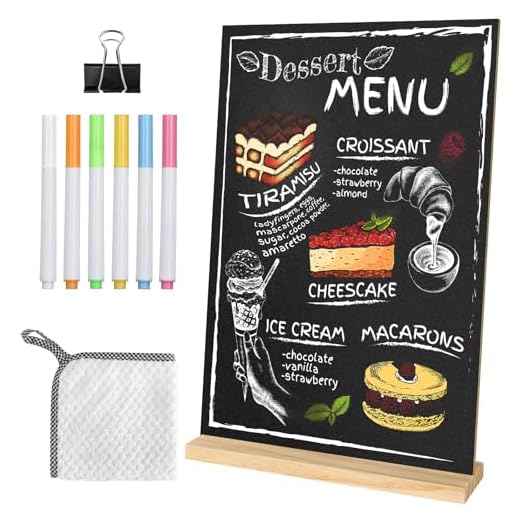
Use big sans-serif type. No more than three columns. List prices on one line. Limit choices to 5–7 core drinks. Put icons for hot, cold, dairy-free. Place the menu above eye level near the pickup so people order faster.
A popup I watched cut wait times by half after they simplified flow and added a pickup shelf. Small moves. Big wins.
Craft a Small, Memorable Menu
Keep it small
Cut the choices. Fewer items let you do each one well. Offer:
Pick signature drinks that scale. Serve it hot, iced, and as a simple batch brew. That way one recipe covers three orders.
Pick two pastries
Sell two items that pair with coffee. One flaky item. One dense item. Think butter croissant and almond muffin. Source them from one baker. Keep portions right-sized so they don’t sit all day.
Choose two roasts
Carry one strong roast for milk drinks. Carry one lighter roast for straight espresso or drip. Train your staff to switch doses by drink type to keep balance.
Train for consistency
Make one way the rule. Weigh shots. Use the same tamp. Time pulls. Log the numbers. Run short demos. Run one-week checks. A popup I ran trimmed refund calls when we forced the team to follow one recipe.
Use gear that matches your pace. A La Marzocco Linea Mini or a Rocket Appartamento works for serious popup runs. A good grinder (60 settings) helps you lock the dose.
Names, prices, and rotation
Name items plainly. Say “Espresso,” not “Nocturne.” Test price points in week-long blocks. Note which sells and why. Add one seasonal item for curiosity. Rotate it monthly or every six weeks. That small change keeps guests coming back.
A tight menu cuts waste. It raises quality. It makes your popup feel sharp.
Build a Brand People Remember
Name and one-line idea
Pick a name that sits easy on the tongue. Short. Clear. No tricks. Pair it with one short line that tells your idea. “Slow Coffee. Fast Service.” “Beans, Close By.” Say it on the sign, the menu, and when you hand the cup. A clear line guides every decision.
Visuals: palette, fonts, logo
Choose a small palette. Two main colors and one accent. Use them everywhere. Pick one header font and one body font. Google Fonts like Montserrat and Merriweather work well together. Test legibility at cup size. Use the same tone across your sign, menu, and posts.
Train your team to speak the same way
Write a short script. A 10-second greeting. A two-line description for the signature drink. A polite upsell line. Run a five-minute huddle before each rush. Practice until it feels natural. When your crew speaks the same way, your brand sounds sure.
Show the making, not the marketing
Film a 10–15 second clip of a shot being pulled. Post a still of beans in the hopper. Let the work be the content. People trust craft they can see. A quick grind-to-pour clip converts better than a staged ad.
Tell a short story about your beans
One sentence. Where they grow. Who roasted them. One fact. “Sun-dried, small farm in Huila.” Stick it on the menu and the cup sleeve. It gives weight without needing long copy.
Repeat the look and the word
Put your logo on cups and on one reliable sign. Use the same color, the same line, the same font. Repeat the look every day. Familiarity breeds trust. Repeat until it feels like home.
Streamline Operations and Staff
Map the flow
Trace every step. From beans in the hopper to the cup in hand. Write it down. Time each move. Cut any extra reach. A tidy map shows where you lose seconds and where you can win customers.
Roles and rhythm
Give fast jobs to one person. Prep and grind. Pull shots. Hand cups and smile. Keep roles simple. Rotate to avoid burn-out. Run a two-minute drill before rushes. Repeat until it feels like muscle memory.

Tools, parts, and small repairs
Teach baristas basic fixes. How to clear a blocked steam tip. How to retighten a group head. Keep a small kit: 58mm tamper, spare portafilter gasket, Allen keys, a tiny screwdriver, a steam tip cleaner, and a syringe for backflush. Label the kit and store it with the machine. Quick fixes stop long delays.
Checklists that save time
Use short lists for open and close. Keep them visible. Train staff to tick boxes, not guess.
Pack prep smart
Use clear containers. Label them with brew time and date. Put your milk, syrups, and garnishes in one reach zone. Pre-dose for the morning rush. A small bin for spent grounds keeps the area clean.
Hire and train for speed
Hire people who move with purpose. Test them with a timed task. Teach them to spot small problems and fix them. Reward quick thinking. When ops run smooth, service feels effortless. This gives you room to focus on promos, events, and getting people through the line.
Use Low-Cost Marketing and Live Events
Short, sharp social
Post fast. Post often. A single photo can pull a crowd. Shoot the pour. Shoot the line. Shoot the barista smile. Use your phone — an iPhone 13 or Pixel will do fine. Use a Joby GorillaPod for steady pour shots. Crop tight. Add a clear call: “Free small pour, first-timers.” Tag your location. Tag your partners. Use Stories and a 15–30 second Reel. Schedule with Buffer or Later.
Quick posts and promos

Soft promos that work
Give one free small pour to first-timers. Limit it to the first 50 or the first two hours. Hand out a printed card with a single call to come back. Put a short promo code on the card. Try a “bring a friend” night with a local baker and sell a coffee+pastry combo for a fixed price. At a farmer’s market, one stall gave away 30 tastings in an hour. They sold beans in the next two hours.
Live events and partners
Invite a maker, musician, or baker. Book a solo guitarist and use a JBL Flip 5 for sound. Host a 20-minute tasting. Run a hands-on latte demo for five people. Keep the guest list small. Make it feel rare. Cross-promote with your partner’s feed.
Track what works
Ask one question at the till: “How did you hear about us?” Use a unique code for each event or card. Check Instagram Insights and your POS redemptions. Count the walk-ins. Do more of what brings people in.
Use these low-cost moves to get people through the door. Next, make every moment count.
Make Every Moment Count
You can stand out. You do it with one clear idea, clean design, and steady craft. You run tight ops and tell a plain story. You invite people in with honest marketing and events. Do those things. Watch the line grow.
Keep work small and sharp. Edit your menu down. Train your team to move with calm speed. Set a look that says who you are. Tell one simple promise and keep it. Celebrate a cup. Host a night. Learn from each guest. Fix what fails. Repeat what works. Be steady. Be visible. Be kind. The crowd will find you. Open often. Stay honest. Make quality the rule. Let joy lead. Keep the coffee true. and listen.
 Previous Post
 Next Post
Short and sweet: the Breville Smart Grinder Pro is worth the splurge if you’re aiming for consistent espresso during busy shifts. If you’re just doing pour-overs or sampler flights, Atlas Coffee Club plus a TLAZZ sign can create a premium feel without heavy equipment. ☕️
Also keep your display simple — mug tree + chalk sign + a small stack of Atlas boxes looks pro without breaking the bank.
Nice summary — Breville is the ‘buy once’ move for speed and consistency. For pour-over popups, a reliable hand grinder or SHARDOR is fine.
Thanks all — these practical tradeoffs are exactly what other readers asked for; will include a condensed buy-vs-rent vs. borrow section soon.
Agreed. Breville if you’re selling lots of espressos; otherwise Atlas + good brewing technique will impress people.
Neutral take: article is practical but felt a bit light on staffing workflows. ‘Streamline operations and staff’ is a big topic — would love a template for shift tasks or a suggested station layout.
Good feedback — next update will include a sample station layout and a simple task checklist for a two-person popup setup. Thanks for the suggestion!
I can share my checklist: grind batch, tamp station, milk steaming area, pour station, pickup shelf. Easy to adapt.
Designing a small space that feels big is the real art. I used a Six-Hook mug tree and hung a couple of cups at different heights — instant cozy vibe. The TLAZZ chalkboard sign is cheap and effective, but FYI it smudges if you don’t seal it right.
Hairspray hack saved my life once 😂. Also, if you angle the mug tree slightly it looks less cluttered.
Good point about sealing the chalkboard — a light coat of hairspray or chalk sealer works in a pinch. Also consider vertical shelving to free up counter space.
Funny little anecdote: we tried a ‘quiet corner’ vibe with soft music and dim lights, but customers kept asking for brighter pics for Instagram 😂
So yes, live events = yes, but put one wall that’s selfie-ready. Use the mug tree and chalkboard for props.
We painted a small frame of the wall white and clipped fairy lights around it — cheap and people posed instantly.
Hah — the Instagram factor is real. A small well-lit corner with the TLAZZ sign and stacked Atlas boxes can be a simple photogenic backdrop.
Five quick things I wish I’d known before my first popup:
1) Test your grinder setup offsite — nothing worse than guessing in front of customers.
2) Labels + chalkboard signage reduce order errors.
3) Atlas Coffee Club makes a great rotating special.
4) Keep your menu tiny and profitable.
5) Invest in a good tamper (measure your basket first).
Also — practise the workflow with one staffer doing all roles for a dry run. Saved us on opening day.
Love point 1. We did an offsite trial and found our SHARDOR needed a tiny tweak in grind setting for shots to come out right.
Point 4 especially — I ended up removing a low-margin drink after tracking sales for two weekends.
This is a perfect checklist — would you mind if we add it to the article as a quick-start guide (with credit)?
Constructive note: the article could’ve included a small budget breakdown — startup costs for items like the Breville Smart Grinder Pro vs SHARDOR, or the mug holder tree and chalkboard. I’m on a shoestring and need to prioritize purchases.
Agree. I bought the 7-piece tamper set and it was cheaper than a single pro tamper, but you lose out on feel.
Solid suggestion — we’ll add a sample budget sheet comparing those exact products. Short version: SHARDOR is budget, Breville is a long-term performance buy; mug tree and TLAZZ sign are low-cost visual wins.
Haha the ‘Make Every Moment Count’ section made me laugh — made me think of peak upsell moments like offering a pastry with a pour-over. But real talk: don’t be THAT person who pitches a loyalty card mid-sip. Timing is key. 😅
Agree — we added a tiny sticker on cups with a loyalty QR and it’s less intrusive than asking customers directly.
Totally — upsells should feel natural. A small sign near pickup (on a TLAZZ board!) or a QR code on receipts works better than interrupting the experience.
Love the low-cost marketing ideas. We did a live latte art demo once and people queued for ages. Used Amazon Fresh Colombia beans for the demo — consistent roast, inexpensive, and easy to chat about origin. Worth trying if you want budget-friendly options.
How long are your demo sessions? Thinking of doing 10-min express demos to keep lines moving.
Latte art demos are great attention-grabbers. Amazon Fresh Colombia is a solid everyday bean — pairing it with a special single-origin from Atlas makes for a nice contrast on the menu.
Question: Has anyone had issues with the 7-Piece 51mm Espresso Tamper kit fitting their portafilter? I’m running an older machine and not sure about sizes — the article’s mention of tampers got me thinking about standardization.
I had the same worry. My old machine needed 58mm, so I returned the 51mm. If you’re uncertain, buy from a seller with easy returns.
And if you’re running a popup, a few spare baskets and a testing kit will save a lot of headaches mid-service.
Also look for aluminum vs steel — weight matters for tamping feel. I prefer heavier ones.
Good catch — 51mm is common but some commercial machines use 58mm. Measure your basket diameter before buying. If you need flexibility, get a set with multiple bases or a calibrated tamper.
Build a brand people remember — I’m still figuring this out. We picked a retro theme and use the Atlas Coffee Club cards on the counter for storytelling. Also branded stickers on cups helped with repeat customers.
Little things like matching the mug tree color to your logo can make a surprisingly big difference.
Match the mug tree? Who knew my OCD would be a business plan 😂
We printed tiny postcards with our logo and handed them out with Atlas tasting packs — folks kept them.
Stickers are a low-cost win for brand recall. If you can, add a small QR code linking to a signup or loyalty page — people scan while waiting.
Agree! Also laminate a mini menu and stick it near the mug tree — visual continuity.
Loved the section on finding a clear concept — this helped me narrow down my popup idea from “all the things” to a cozy two-item menu. Tried ordering the Sturdy Six-Hook Black Wooden Mug Holder Tree for display and it actually made the space look more intentional.
Quick question: has anyone used the Atlas Coffee Club World Coffee Discovery 4-Pack for weekend tastings? Thinking of pairing it with a mini chalkboard (TLAZZ wooden sign) to explain each cup. 😊
Also — the grinder recs are gold. Might go with the Breville for consistency.
Yep used the Atlas pack at a popup last month — customers loved the variety. Pro tip: label each cup with a tiny number and match it to the chalkboard to avoid confusion.
Great to hear you found the concept section useful! Atlas Coffee Club is perfect for short tasting flights — lots of variety and the story cards make it easy to put on a TLAZZ tabletop sign. Breville gives consistent results if you want quicker dial-ins during busy hours.
I did something similar but with Amazon Fresh Colombia beans — cheaper and people still raved. If you’re doing multiple origins, Atlas is nicer for storytelling tho.
Sarcastic take: If you want your popup to stand out, just hire a guy in a giant coffee bean suit and call it a day. 😜
But in all seriousness, I liked the practical tips here. The tamper and grinder recommendations are useful. Also — keep spare parts (gaskets, extra tampers) handy; popup life is unpredictable.
I second the emergency kit. My group carries a tiny toolbox: wrench, spare hoses, tamper, extra beans.
Bean suit aside, spare parts are underrated — great reminder. We’ll add a small ‘popup emergency kit’ list to the article.
Also bring a backup grinder if possible — nothing kills a popup faster than a broken burr grinder.
Streamline ops: 100% agree with limiting menu items. We tried 12 different drinks and chaos ensued. After trimming to 4 core drinks and one rotating special (using Atlas Coffee Club samples), we doubled throughput.
One thing I’d add: invest in a decent grinder from day one. The SHARDOR 51-Setting Conical Burr was surprisingly good for the price during our first summer popup; saved time over hand-grinding.
Totally agree about stickers. Also train one person on grinder maintenance so you don’t end up with inconsistent shots mid-shift.
I started with the SHARDOR too — great value. Pro tip: mark your settings with a small sticker so baristas can find the dial fast during rush.
Love this — the rotating special is a great way to test new beans without overwhelming staff. SHARDOR is a solid budget choice; Breville is nicer for really tight control if you can swing it.