How to prevent clogging with Melitta cone filters?
This step-by-step guide on preventing clogging with Melitta cone filters offers practical tips to enhance your coffee brewing experience for 8-12 cup coffee makers. By following these instructions, you can ensure optimal water flow and prevent blockages, leading to a smoother and more flavorful coffee extraction process. Whether you’re a novice or an experienced brewer, these strategies will help you achieve the perfect cup of coffee every time.


Three Common Mistakes Beginners Make with Pour Over Coffee
Choose the Right Filter Size
Check the model of your coffee maker to determine the appropriate filter size. Look for the size designation on the packaging of your Melitta cone filters, as they come in various sizes such as 1, 2, or 4. Ensure you match this size with your coffee maker; using an incorrect filter can cause clogging and disrupt water flow. Replace any old or incorrect filters immediately to maintain the best brewing performance.
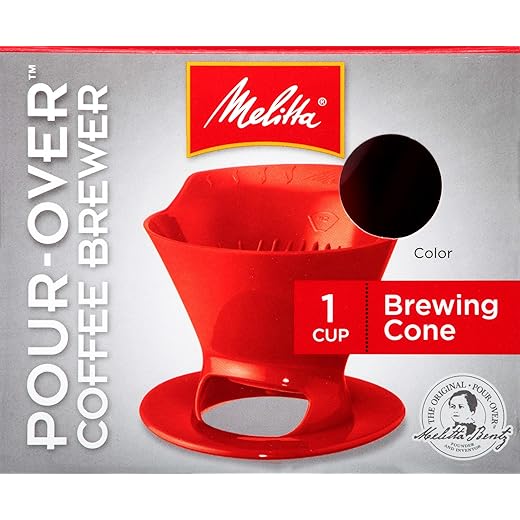
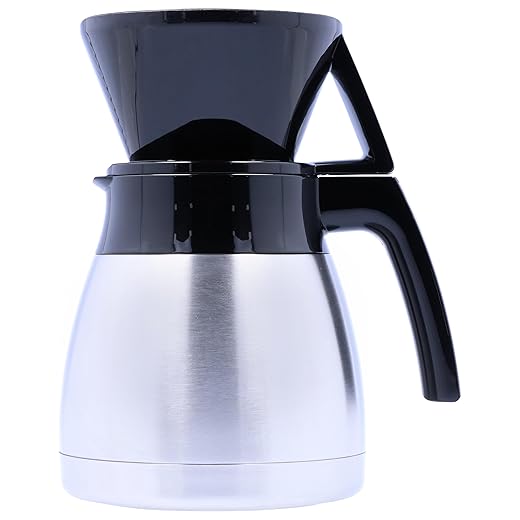
Pre-Wet the Filter
Pre-wet the Melitta filter with hot water before adding your coffee grounds. This step ensures that the filter fits snugly in the cone and minimizes the risk of clogging.
- Heat water to just below boiling.
- Pour a small amount of hot water over the filter, allowing it to soak for a few seconds.
- Make sure the water flows evenly, wetting the entire surface of the filter.
- Discard the excess water that collects in the coffee pot.
Following these steps will enhance your brewing process and improve the flavor of your coffee.
Use Fresh Coffee Grounds
Use freshly ground coffee for the best flavor and brewing experience. Avoid using stale or coarse grounds, as they can lead to clogging and negatively impact the brewing process. Grind your coffee beans just before brewing to preserve the aroma and taste. Ensure that the grind size matches your brewing method for optimal results, whether you’re using a French press, drip coffee maker, or espresso machine.
Control the Grind Size
- Adjust your grinder settings to achieve a medium grind size.
- Experiment with the grind until you find the perfect balance—too fine a grind can clog your filter, while too coarse may lead to a weak and underwhelming brew.
- Aim for a texture resembling granulated sugar; this will help ensure optimal extraction during brewing.
- Check the consistency by feeling the grounds between your fingers; they should have some grit without being powdery.
Measure Coffee Grounds Accurately
Use the recommended coffee-to-water ratio to achieve the best flavor from your brew. For example, aim for a ratio of 1:15, which means for every gram of coffee, you should use 15 grams of water. Measure accurately; if you use too many coffee grounds, you risk overloading the filter. Avoid clogging by sticking to this ratio; an overloaded filter can lead to slow brewing times and unpleasant bitter tastes.
Add Coffee Grounds Evenly
Distribute the coffee grounds evenly in the filter. Use a spoon or your fingers to spread the grounds across the filter’s surface, making sure no clumps form in any one area. This even distribution helps achieve uniform water flow during brewing, allowing water to extract flavors consistently from all the coffee. For example, if you notice a pile of grounds on one side, it can lead to over-extraction in that spot and under-extraction in others, resulting in an imbalanced cup.
Monitor Water Temperature
Heat water to the optimal temperature range of 195°F to 205°F for best results.
- Avoid excessively hot water, as it can increase the risk of clogging in your system.
- Use a thermometer to monitor the temperature accurately.
- Ensure consistent heating by adjusting your heat source as needed.
Keep your water within this range to maintain efficiency and prevent issues.
Brew in Small Batches
Brew smaller batches of coffee if you frequently experience clogging. Use a reduced amount of coffee grounds and water to lower the chances of blockages in your equipment. Measure out just the amount you need for one or two servings, ensuring a smoother brewing process. Experiment with different grind sizes and brewing times to achieve your desired flavor while keeping clogging at bay.
Clean Your Coffee Maker Regularly
Clean your coffee maker every month to prevent the buildup of coffee oils and residues. Fill the water reservoir with equal parts vinegar and water, then run a brewing cycle without coffee grounds. After the cycle is complete, run two or three cycles with fresh water to rinse out any remaining vinegar. Wipe down the exterior and all removable parts with a damp cloth to keep everything fresh and functioning well.
Key Takeaways for Clog-Free Brewing
In conclusion, preventing clogging with Melitta cone filters is all about attention to detail. By selecting the right filter size, using fresh coffee grounds, and maintaining your brewing equipment, you can enjoy a hassle-free coffee-making experience. Implementing these simple steps will not only enhance your brewing process but also ensure that each cup of coffee is delicious and satisfying. Cheers to smoother brews and flavorful mornings!
Essential Items Needed

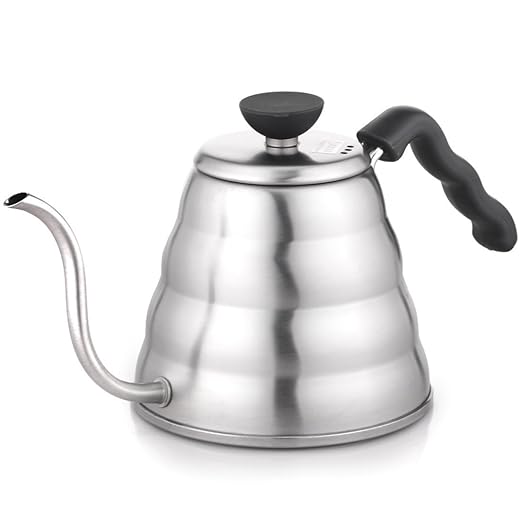

Maximize Brewing Efficiency
Step-by-Step Guide to Brewing Perfect Coffee with Melitta Cone Filters
- Choose Your Coffee Ground: Start by selecting your favorite coffee grounds. For a cone filter, medium to medium-fine grind works best. Measure about 1 to 2 tablespoons of coffee per 6 ounces of water, depending on how strong you like your brew
- Prepare the Filter: Take one Melitta coffee filter and place it inside the cone. Make sure it fits snugly to avoid any leaks. For added flavor, you can rinse the filter with hot water to remove any paper taste before adding the coffee
- Add Coffee Grounds: Spoon your measured coffee grounds into the filter. Give the filter a gentle shake to level the grounds, ensuring an even brew
- Boil Water: Heat your water to just below boiling, around 200°F (93°C). If you don’t have a thermometer, let the water boil and then sit for about 30 seconds to reach the right temperature
- Pour Water Slowly: Pour the hot water slowly over the coffee grounds in a circular motion, starting from the center and moving outward. This helps to saturate the grounds evenly and enhance extraction. Let the coffee drip through completely, then enjoy your fresh brew!
- Feel free to experiment with the coffee-to-water ratio and brewing time to find your perfect cup! Happy brewing!
 Previous Post
 Next Post
I’ve been using Melitta cone filters for a while and found that pre-wetting the filter really makes a difference! It helps avoid that papery taste and allows the coffee to flow better. Plus, I like to rinse my carafe too! Anyone else do this? What’s your go-to coffee blend?
These tips are awesome! But what about advanced techniques? Any suggestions for how to enhance the flavor even more or work with different coffee beans? I’m keen to level up my coffee game!
Great question! For advanced techniques, you might want to explore different brewing methods like pour-over or using a French press for varied flavor profiles. Experimenting with coffee bean origins can also yield some exciting results. Happy brewing!
After following these tips, my morning brews have been so much smoother! I used to get clogged filters all the time, but now with the right grind size and measuring my coffee accurately, I hardly ever have issues. I’m using Peet’s Coffee Major Dickason’s Blend, and it’s been fantastic!
Thanks for sharing your success! It’s great to hear that the tips helped improve your brewing experience. Peet’s Major Dickason’s is a solid choice—great flavor and aroma! Keep enjoying your coffee!