Run Your Coffee Cart Right
Start Smart. Run Right.
You can build a coffee cart that runs smooth and earns well. This guide shows you how. You get practical steps. You get clear rules. You learn to run your cart like a small, efficient machine. We focus on planning, gear, sourcing, workflow, service, and growth. Each step is direct. Each rule is useful.
Follow these pages and you will cut waste. You will speed service. You will keep coffee great and customers happy. You will keep gear running and books tidy. Use simple systems. Train one person well. Measure sales and costs. Grow when profit and rhythm match. Scale slow. Cut what fails. Keep the core strong. Serve with pride and speed. Profit follows practice.


Running a 6-Figure Coffee Cart at 26: A Day in My Life
Plan the Cart Like a Business
Know the rules and permits
You must sort the rules before you buy. Check city vending codes. Find health department rules. Learn parking and fire rules. Ask about commissary requirements and shared kitchen rules. One vendor lost a week of sales when a commissary stamp was missing.
Map your costs and price
Write every cost down. Rent or lot fee. Permits and license renewals. Insurance. Power and water. Coffee, milk, cups, filters. Wages or your own time. Amortize big buys over months.
Do the math. If a cup sells for $3 and COGS is $0.60, you get $2.40 gross. If your daily fixed costs are $120, you need 50 cups to break even. Set a realistic sales goal. Aim higher for profit.
Pick a legal structure and goals
Choose a simple structure. Many start as a sole proprietor. Many move to an LLC for liability protection. Get general liability insurance. Get a simple bookkeeping app and a separate bank account.
Plan for slow days and busy spikes. Save a small buffer for rain or a road closure. Plan extra staff or a standby grinder for festivals. Set weekly and daily sales targets. Track them. Adjust prices and hours when the numbers tell you to.
Pick the Right Cart and Gear
Fit the cart to your body and flow
Stand where you will work. Turn as you would for a real rush. Test the portafilter height. Check reach to milk jugs and cups. Measure cup drop and pour line. Buy a cart that keeps your hands in close. One vendor moved a grinder 6 inches and cut shot time by 20 seconds.
Choose a machine that matches demand
Pick a machine built for the cups you sell. For steady street lines, think Nuova Simonelli Oscar II or La Marzocco Linea Mini. For low power needs, consider heat-exchange or single-boiler models. Buy a machine with easy panels and common spare parts. A simple relay fix beats a fancy feature you can’t repair on the road.
Pick the right grinder
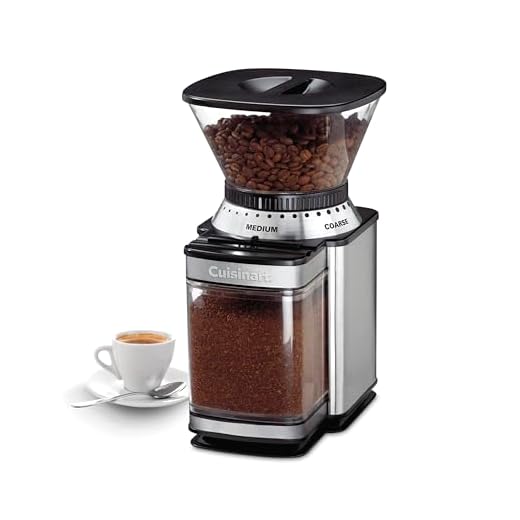
A fast, stable grinder saves minutes each hour. Consider Baratza Sette 270 for precision or a Mazzer Mini for heavy use. If you start small, the Cuisinart DBM-8P1 will do drip and batch prep. Keep doserless and stepless options for speed. Clean burrs nightly. Replace cheap burrs fast.
Plan power and water
Know your amps. Test the circuit before you sell. Bring a reliable generator (Honda EU2200i) or a high-capacity battery system for events. Use a proper water tank with a food-grade hose and a scale or float switch. Add an inline filter and a simple TDS strip.
Keep gear simple to fix and fast to use
Choose machines with readily available parts. Keep a small tool kit and spare solenoid, gaskets, and O-rings. Pack for one barista, then plan space for a helper at peak times.
Buy quality where it matters. Replace cheap parts fast. Let your gear serve your speed and your coffee.
Source Coffee and Supplies with Care
Buy beans that fit the menu
Pick beans that match what you sell. Bright beans for filter. Heavy, chocolatey beans for milk drinks. Ask roasters for samples. Cup them. Taste shots side by side. Lock in a main bean and a backup. The backup keeps you selling on a bad roast week.
Track lead times and order on rhythm
Know the roaster’s roast cadence. Know their lead time. Know suppliers’ restock windows. Order milk, syrups, lids, and cups before you run dry. Plan for events and cold snaps. One cart in my town doubled orders two weeks before a festival and never missed a rush.
Keep tight inventory and rotate stock
Use first-in, first-out. Note roast dates on bags. Use beans within four weeks for best flavor. Track milk by date and batch. Count staples weekly. A short list keeps surprises small.
Price to cover costs and pay you
Know cost per cup. Simple math helps. If a pound gives ~25 double shots, and a pound costs $16, bean cost is $0.64 per double. Add milk, cup, lid, and labor. If your total cost is $1.20, price at $3.50 or more. Check margins each month. Raise prices when costs rise.
Build one strong supplier relationship
Pick one roaster or distributor you trust. Get consistent roast, steady delivery, and clear invoices. Ask for training or brew tips. A good supplier cuts your calls and saves your time.
Next, set your space for speed. Learn the flow that turns these supplies into fast, clean service.
Set Up a Fast, Clean Workflow
Next, set your space for speed. Turn motion into muscle. Small choices save time and avoid mistakes.
Design the line
Place grinders, group head, steam wand, and cup rail in a single sweep. Put the most used items in your primary reach—grab zone, not stretch zone. Stash syrups and lids to your side. Line up cups by size. One smooth motion wins time.
Tools that make work faster
Use a 58 mm tamper if your portafilter fits it. Add a small scale like an Acaia Pearl for shots. Use a sturdy knock box (Rhino Coffee Gear style) and a tall milk pitcher (12–20 oz) for fast steaming. For tight carts, try compact machines that still pull a strong shot.

Train the motions
Practice shots, steam, and pour in fixed order. Time each move. Short, repeated runs build memory. One cart I helped set up cut 15–20 seconds per drink by moving the steam pitcher to the left of the group head and drilling that motion until it was automatic.
Prep and batch where you can
Pre-fill pitchers, dose beans, and set shot timers before the rush. Pre-pour milk for iced drinks into chilled jugs. Use pump maps for syrups so you don’t count under pressure.
Clean while you work
Purge the wand after each steam. Wipe spills immediately. Empty the knock box during lulls. A clean station cuts mistakes and keeps drinks consistent.
Move fast. Keep clean. Train until the rhythm is yours. This makes serving easier and sets you up to focus on customers next.
Serve Customers Like a Pro
You meet each person. A nod. A hello. A quick question. It sets the tone. It tells them you are ready.
Greet and guide
Know the menu. Speak plain. Say sizes, milk options, and one house favorite. Use short lines. “Small latte?” not “Would you like—” Clear words cut mistakes and speed service.
Make drinks with care and speed
Pull tidy shots. Steam milk to the same texture every time. Keep cups warm. Work with calm hands. Speed should not cost taste.

A good tamper fits your portafilter. A scale like Acaia or a timing app keeps you honest. Use tools that help you repeat the same craft.
One clear upsell
Offer one simple extra. “Add a croissant for $2?” That is it. Too many choices stop people. One clear offer lifts average sale and keeps service smooth. I watched one cart add a pastry line and sales rose in days.
Handle complaints fast
Listen. Say you will fix it. Act fast. Replace the drink or refund and move on. Keep voice low. Calm customers often cool within one minute.
Rush habits
Call names or use numbers. Pack drinks by order, not by hand. Seal lids on iced drinks. Keep a small tray for groups. These moves stop mix-ups.
Build repeat business
Try a simple loyalty move. Punch card. Text a promo. One free after nine. Make it visible at the register. People will come back.
Keep a friendly voice and steady hands. Your attitude wins customers.
Run Operations, Maintain Gear, and Grow
You can run the cart like a small firm. Keep numbers tight. Fix problems fast. Grow with care.
Money and records
Count cash every shift. Log sales and voids. Reconcile the till before you lock up. Make deposits often. A missed deposit is a lost problem. One cart I know made daily deposits. They never chased missing cash.
Maintenance and logs
Keep a short log for cleanings and parts. Note dates, who did it, and what you found. Replace gaskets before they fail. Backflush with detergent daily on espresso machines that allow it. Descale on a set schedule. Small jobs now save a full-day repair later.
Aim for simple service parts on hand: spare group gaskets, a steam tip, and one set of grinder burrs if you can. Machines like the Nuova Simonelli Oscar II or Rancilio Silvia use common parts. Grinders like the Mazzer Mini or Eureka Atom wear burrs slowly. Track hours and replace parts on a plan.
Train, then trust
Write short checklists for open, shift, and close. Train a helper on those lists. Practice one role at a time. Watch them pull shots. Fix one mistake. Praise the next time they get it right.
Test and grow
Try a small promo. Do one pop-up or one weekend event. Partner with a bakery down the street for a week. Measure sales and repeat rate. Use simple metrics: sales per hour and average ticket. If it works, repeat. If margins slip, stop. Scale slow. Protect your profit as you add hours or staff.
Now move to the final thoughts and keep the rules you build.
Keep It Simple. Keep It True.
You can run your cart well. Stick to the basics. Keep gear clean. Keep service fast. Track money each shift. Learn from mistakes. Tune one drink until it sings. Choose good beans. Buy what lasts. Clean as you go. Close with counts and notes. Train your hands and your eye. Be steady, not flashy. Build habits that serve you and your guests.
Do the work. Make good coffee. Serve it well. Grow slow and steady. Let numbers guide you. Listen to customers. Protect your time and margins. Keep the promise you make with every cup. Start tomorrow. Keep at it. Your cart can become a small, honest business that lasts. Do it well today.
 Previous Post
 Next Post
This article made me smile — especially the ‘Keep It Simple. Keep It True.’ part. Too many people try to do a 12-bean exotic menu on day one and forget the espresso basics. Two cents from me:
1) Buy a decent tamper kit (Y-Step 23-Piece is a good starter). You’ll lose tampers. You will.
2) The Universal Coffee Machine Descaler is worth stocking; limescale is the silent assassin of espresso machines.
3) Label everything. Spilled vanilla syrup at 7am? Chaos.
Also: is it just me, or do insulated paper cups make drinks taste fancier? 😆
P.S. typo confession: ‘espressso’ used to be my go-to misspelling until a regular corrected me politely. Humanity restored.
Agreed on the descaler — I keep a two-pack on rotation so I’m never caught out. Also, shoutout to the Y-Step kit for fixing a wonky tamp that would have ruined shots.
One more note: the article’s ‘Pick the Right Cart and Gear’ suggests testing equipment under expected peak load. Good practice — try a dry run for a Saturday morning!
Insulated cups definitely up the perceived value. Customers often comment they keep the cup longer which makes them think it’s worth the price.
Owen, love the typo confession. Also labeling saved my life during a festival shift — ‘soy’ and ‘syrup’ bins looked suspiciously similar in my sleep-deprived state.
Ha, love the honesty, Owen. Labeling and backups (tampers, steam tips, grinder funnels) are the little redundancies that keep service smooth. Article’s workflow checklist aims to cover those exact points.
Okay, long rant incoming — apologies. I run a small weekend cart and the ‘‘Plan the Cart Like a Business’’ section is gold. A few notes from experience:
– Track ingredient cost per cup — you’ll be shocked how quickly margins slip
– The Universal Coffee Machine Descaler two-pack saved me during a summer of hard water. Don’t skip maintenance!
– Dixie To Go cups are fine, but if you’re eco-minded, consider a discount program for customers who bring reusable cups.
Also, the article mentioning the Y-Step 23-Piece tamper kit is handy — exactly what I used when one of my tampers went MIA mid-shift. Humor: I once tamped with a wrench by accident. True story. 😂
Wrench tamping is an art form, Marcus. Also, I give 2¢ for reusable cups — customers love the discount and it cuts cup spend. Win-win.
Haha a wrench? 😂 That’s one way to learn maintenance. Quick q: how often do you descale with hard water? Monthly? Biweekly?
Priya — in my area it’s monthly. If you’re on a municipal soft-water supply I stretch to every 3 months. But if flow drops or shots taste off, don’t wait.
Love the details, Marcus — tracking cost-per-cup is a simple KPI that many miss. The article’s ‘Run Operations, Maintain Gear, and Grow’ section covers descaling schedules and spare-part tips — glad the descaler helped you!
Quick question: article lists both the Breville Smart Grinder Pro 60-Setting and the Cuisinart DBM-8P1 with 18 settings. For a startup cart where speed matters, would the extra settings on the Breville actually help, or is the Cuisinart good enough to begin with? Considering cost and simplicity. Also curious if CASABREWS CM5418 is worth looking at for espresso-only setups.
I started with the Cuisinart to save $$$ and upgraded later to Breville when demand grew. If you’re tight on upfront capital, go Cuisinart and focus on workflow and service first.
Good question — the Breville Smart Grinder Pro gives more grind fineness control which helps dial in espresso and alternate brew methods, but it’s pricier. The Cuisinart DBM-8P1 is a solid budget choice for consistent batch grinding if you mostly steam milk lattes and want simplicity. CASABREWS CM5418 is okay for low-volume carts; it’s compact but check steam power and recovery time for your busiest hour.
Loved the section on setting up a fast, clean workflow — that bit alone can make or break a morning rush. I grabbed a Breville Barista Express when I started a pop-up and the built-in grinder saved me space and time. Pro tip: pair it with the Breville Smart Grinder Pro if you want more control over dosing.
One thing I’d add: invest in decent insulated cups (Dixie To Go 12oz) if you serve cold drinks too — customers notice the difference. Nice, practical guide overall 🙂
Marcus — I had maybe 2.5ft of usable counter. Keep grinders and tamping station on the same side, milk pitcher under a low shelf to save space, and pre-portion cups/condiments in bins. Saves seconds every order.
Nice — been debating between the Barista Express and the CASABREWS compact machine. How cramped was your setup? Any workflow hacks for small carts?
Thanks, Lena — glad the workflow section resonated. Totally agree on the cups; the article’s note about Dixie To Go 12oz is meant for that exact reason. If you’re short on counter space, the Barista Express is a great all-in-one.
Helpful piece, but I wish there was a deeper dive into upfront costs and permits under ‘Plan the Cart Like a Business’. The gear list mentions great items (Breville grinders, Barista Express, CASABREWS) but beginner entrepreneurs need a clearer budget template. Also, small note: some product links push you toward premium picks — it’s realistic, but a section on ‘minimum viable equipment’ would be super useful for tight budgets.
Agree 100%. A starter kit suggestion (e.g., Cuisinart grinder + CASABREWS or a compact Breville + tampers + descaler + Dixie cups) with ballpark costs would help a lot of newbies.
Thanks for the feedback, Sofia — that’s a fair point. We kept the article high-level to stay approachable, but a follow-up post with a budget breakdown and ‘MVE’ (minimum viable equipment) list is a great idea. We’ll consider adding price tiers next time.