Which Travel Mug Will You Trust?
Choose a Mug You Can Trust
You want a mug that wakes you up. You want warmth and true taste. You want no leaks and no surprises.
This guide shows what matters. It lets you judge fast and pick calm. Read with an eye for real needs and carry coffee you can trust.
Find the right material, lid, and fit. Keep it clean. Keep it simple.
Trust grows with use and care. A good mug lasts years. Choose well today.



Best Nespresso Travel Mug Showdown: Touch vs Vertuo vs Nomad — Travel Mug Comparison
Why Trust Matters When You Carry Your Coffee
The stakes
You carry the cup close to your hands. You carry it near your phone, keys, and laptop. A spill ruins a shirt. A leak ruins a day. A cold cup numbs your mood. Trust means the mug behaves when you need it to. It does not surprise you.
What trust looks like
Trust is simple. A tight seal. Steady heat. No metal taste. A lid that opens and closes the same way on the bus and in your bag. A base that sits flat in a cup holder. It lasts through knocks and washes. Brands you hear often—Zojirushi, Hydro Flask, Stanley—earn trust by solving these basics.
Quick tests you can do now
Do these in the store or at home before you commit.
When you’ll notice the difference
You will see trust on a cold morning and in a long meeting. You will notice it when you ride a bike or carry a bag packed with wires. A good mug keeps your coffee true. A bad one steals the warmth and the flavor.
Next, you’ll learn which materials and builds deliver that steady warmth and clean taste.
Material and Build: What Keeps Heat and Flavor
Stainless steel and vacuum insulation
Stainless steel is the workhorse. It resists dents. It resists stains. Double walls with a vacuum stop heat loss. That keeps your drink hot for hours. Or cold for the afternoon. Look for 18/8 stainless for flavor neutrality. Heavy. Durable. Good for rough days and long commutes.
Ceramic and glass: pure flavor
Ceramic and glass do not steal taste. They feel clean. They let the coffee sing. But they break. They chill fast. Use them at a desk or in a padded bag. A ceramic liner in a steel sleeve gives the best of both worlds if you can find it.
Plastic and silicone: light and flexible
Plastic saves weight and cost. Modern BPA-free plastics are safe. But they can hold odors. They scratch and stain. Silicone gives you grip. It cushions drops. It can deform under heat. Use plastic when you need light. Avoid it if you crave pure flavor.
Check seams, joints, and weight
Small things decide trust. A tight lid beats fancy paint. Test the lid fit. Twist it hard. Smell the gasket. Look for food-safe marks: FDA, LFGB, or BPA-free. Run hot water and sniff. If it smells odd, pass.
Quick checks to run now:
Real use note
If you walk miles, choose lighter stainless or plastic. If you savor flavor at a desk, choose ceramic-lined or glass. Next, we’ll match lids and designs to how you live and move.
Design and Lid Choices for Real Life Use
Lid types: pick how you sip
A lid makes or breaks the trip. Choose how you sip. A simple screw lid seals tight. It is quiet. It leaks less. A flip lid lets you drink fast. You pop it and go. A slider gives measured control. It fits pockets and packs. A straw cap fits cold drinks and biking. Each lid changes the way you live with your mug.
Mouth size and cleaning
Look at the mouth. A wide mouth cleans easier. You can fit a brush or your hand. It also adds ice. A narrow mouth saves heat and forces smaller sips. Think of your routine. Do you drop sugar or a spoon in? Do you mind cleaning a tight place? Choose accordingly.
One-hand use and locks
Test one-hand use. Open it with your thumb. Lock it when you close it. If you toss the mug in a bag, the lock must work. Press buttons. Shake it. If a button sticks, move on. Locks save your pants and phone.
Handles, sleeves, and straps
A handle makes for stable carry. A sleeve gives grip and protects hands. A strap can free your fingers on a busy walk or when you hold other bags. Fit matters—try the mug in your palm. Check if it fits your cup holder or jacket pocket.
Quick checks to run now
These quick checks lead into how to keep that lid clean and working day after day.
Care, Cleanliness, and Longevity: Keep Your Mug Trustworthy
Disassemble and inspect
Take your mug apart. Remove the lid. Pull out seals and gaskets. Lay parts on a towel. Look for cracks. Look for hardening or thin spots in silicone. If a seal tears, order a new one. Brands like Contigo and Thermos sell spares online.
Daily wash routine
Rinse after use. Hand wash the body and lid with hot water and dish soap. Use a bottle brush for the cup. Use a small brush or straw brush for vents and nooks. Let parts air dry before you reassemble.

Deep clean for stains and odors
For coffee oil and smell, use baking soda paste. Scrub the cup and lid. For scale or mineral build up, fill with equal parts white vinegar and water. Let sit for 30 minutes, then rinse twice. If smell stays, repeat with baking soda soak overnight.
Dishwasher and materials
Check the label. Some stainless mugs will warp or lose paint in the dishwasher. Silicone seals may harden faster. If the maker says dishwasher-safe, place parts on the top rack. When in doubt, wash by hand.
Small fixes that buy years
A simple schedule
Keep these steps. A clean mug will sip true for years. Next, we’ll fit that mug to your drive and your cup holder so it stays upright on the road.
Mug Holders and Car Cup Compatibility: Stay Secure on the Move
Measure the base
A mug that tips is no good. Measure the diameter of the base. Use a tape or a ruler. Note any taper. Many car holders grip only the lower 2–3 inches. If the base is wider than the holder, it will wobble.

Match the holder type
Know the common holders you will use. Cup wells in cars are deep or shallow. Console pockets are narrow. Bike bottle cages are tall and slender. Stroller trays clip in place. Pick mugs that fit the place you use most.
Look for these features
Grips, locks, and pads
Use holders with locking arms or a silicone collar. These hold the mug when you hit bumps. Add an anti-slip pad under the mug for shallow wells. A simple rubber coaster cuts noise and tilt.
For bikes and strollers
Use mounts made for motion. Bottle cages do well with narrow tumblers like the Yeti Rambler 20 oz. Use a handlebar cup holder with a quick-release clip for one-handed access. Avoid heavy, top-heavy mugs on rough trails.
Quick-release and one-hand use
You want to grab and go. Look for a lip you can hook with your thumb. Lids that twist or flip should open with one hand. Test this before you leave the driveway.
Watch tall mugs and low holders
Tall mugs can tip when the holder is shallow. If your car cup holder sits low, use a shorter tumbler. Or use an expander like the TYKOR to raise the mug and center its weight.
Wall-Mounted Racks and Home Storage: Show and Stow with Confidence
Match the rack to your mugs
Pick a rack that fits the mugs you own. Wide handles need wide hooks. Tall tumblers need a hook that holds the base, not the rim. Count weight. A ceramic mug is light. A travel tumbler with a lid is heavy when full. Choose hooks rated for the load.
Mounting the rack the right way
Find a stud when you can. Studs hold the weight and feel solid. If you must use drywall, pick toggle anchors or Molly bolts. Use a level. Mark holes. Drill pilot holes. Screw slowly. Test with a heavy item before you trust the whole set.

Practical spacing and finish
Leave 3–4 inches between hooks for large handles. Put lower hooks low enough to reach. Keep top rows out of the steam zone above the stove. Pick powder-coated steel or stainless. Avoid thin paint that chips. If you like wood, pick sealed edges to keep moisture out.
Add a small shelf for espresso gear
A shallow shelf makes a tidy station. Put tampers, a small scale, and spare lids there. Make it 6–8 inches deep. Keep things you use every morning at eye level. That saves steps and time.
Store your travel mug ready to go
Dry the mug before you hang it. Leave the lid off to air the seal. If you use the lid, flip it open on the shelf. Keep a small drip tray under the rack for spills. Store mugs upright if they sit overnight. That way seals and gaskets dry and last longer.
These steps get your kitchen orderly and your mug ready. Next, decide, test, and keep it working in the Conclusion.
Decide, Test, and Keep It Working
You now know what to weigh. Pick the features you need. Test the mug in your hand. Try lids and spills. Check holder fit and rack space. Note how it feels hot and steady. Inspect seams and seals.
Care for the mug. Clean it well. Replace worn parts. Use it daily. Trust grows with use. Choose the mug you will trust tomorrow. Take it with you and see how it holds up. Start today.
 Previous Post
 Next Post
I appreciate the practical testing advice (shake, tilt, jog). Did a homemade test with the Contigo Byron 16oz and it was fine on a bumpy bus ride. But, PSA: don’t trust mugs to stay upright on scooters. They will betray you. 😅
Scooters are a mug’s worst enemy. Use a backpack side pocket if possible.
Scooter trust: zero. Thanks for the laugh and real-world confirmation for buses.
Has anyone actually tried the TYKOR car cup holder expander? My car’s cup is ancient and too wide for most travel mugs. If it works well with the Contigo Byron that’d solve half my commute problems.
We tested TYKOR in a few cars and it’s helpful for older or oversized holders. It pairs nicely with 20oz tumblers (like the Contigo Byron 20oz) but double-check your car’s depth — shallow cups might still wobble.
I use TYKOR in an SUV and it’s saved me from coffee spills more than once. Pro tip: tighten it snugly and angle the mug slightly toward the dash for better stability.
Real talk: I bought the 20oz Owala SmoothSip thinking more is better. But it’s heavy after the first 2 sips. If you walk a lot, consider the 12oz. Also the SmoothSip mouthpiece is comfy — like sipping from a cup, not a nozzle.
I second the weight thing — lugging a full 20oz is its own workout. 12oz is underrated.
But for road trips, 20oz is clutch. Depends on your use-case!
Appreciate that trade-off note, Benjamin. We’ll add a short ‘weight vs capacity’ callout for readers who walk or bike a lot.
I actually returned an Owala SmoothSip 20oz because it didn’t fit my office cup holder — the mug holder compatibility section saved me from a second bad purchase. Tip: measure depth, not just diameter.
Same here, Olivia. Painful but educational.
Measuring depth is underrated — great practical tip. We’ll emphasize that in the compatibility section.
I didn’t measure and paid for it lol. Live and learn.
Also some cupholders have weird ridges — bring the mug if you’re unsure.
Cleanliness section was cool, but I’d love a super-basic weekly routine: what to wash daily vs weekly vs monthly. Small suggestion: include a printable checklist? 🙂
If you do that, include vinegar or baking soda options for deep cleaning. Both work wonders.
A printable checklist would be amazing. I always forget to descale mine.
Love the baking soda hack — thanks Noah!
Great idea, Grace. A one-page routine/checklist would be handy. We’ll add a downloadable checklist for daily/weekly/monthly care.
Short and sweet: Owala SmoothSip 12oz is perfect for my desk days. Keeps coffee warm enough and fits my bike cup holder. Not a fan of the mouth feel on some lids though — feels plasticky to me.
A few practical notes I think are underrated:
– Test mug in your car cup first (fits vs jostle)
– Bring it empty through TSA if you travel — they don’t like filled tumblers at security sometimes
– For longevity, avoid dishwashing lids every day; hand wash the seals
Article covers a lot, but the TSA line was a lifesaver tip for me.
Great additions, Ethan. TSA can be picky — we’ll add a short note. Hand-washing seals prolongs their life for sure.
Didn’t know the TSA thing — saved me future embarrassment. Thanks!
Does anyone know if the Contigo Byron lids are compatible between the 16oz and 20oz? I’m debating which to buy and swap lids depending on occasion.
Generally Contigo lids differ between sizes. Even if they look similar, internal seals and threads can vary. Best to match lids to model numbers to avoid leaks.
Thanks, that’ll save me from buying two lids to test lol.
I tried swapping once — it looked fine but leaked on turns. Not worth the hassle.
Haha I tested the ‘decide, test, and keep it working’ advice and did a spill test on my kitchen floor. Contigo Byron 16oz passed. My cat judged me. 😂 Also loved the section about wall-mounted racks — got an OROPY and it looks cute but needed anchors for my drywall.
Thanks Marcus — gonna grab toggles this weekend.
Anchors are key. I used toggle bolts for mine and it’s rock solid.
Glad the Contigo survived the cat inspection! Good tip on anchoring the OROPY for drywall — we’ll add an installation note.
Nice roundup, but wish the article had more on material pros/cons beyond ‘stainless vs plastic.’ Like, BPA-free plastics still pick up smells for me. Anyone else?
Good call, Noah. We’ll expand that section to cover odor retention in different plastics and tips to minimize smells (baking soda soak, boiling water rinse, etc.).
Thanks — those cleaning tips would help. Baking soda soak is a good start.
Yes! Plastic mugs, even BPA-free, can get ghost coffee smells. I switched to stainless for that reason.
Minor nitpick: the article mentioned the OROPY wall-mounted rack but didn’t say how many mugs it holds. I bought it expecting six and got four. Might be worth stating capacity and weight limits.
Yup — mine was four too. Looks adorable though, just don’t overload it!
Thanks — saved me from double-stacking mine.
Good catch, Zara. We’ll update the product mention to list typical capacities and recommended weight limits.
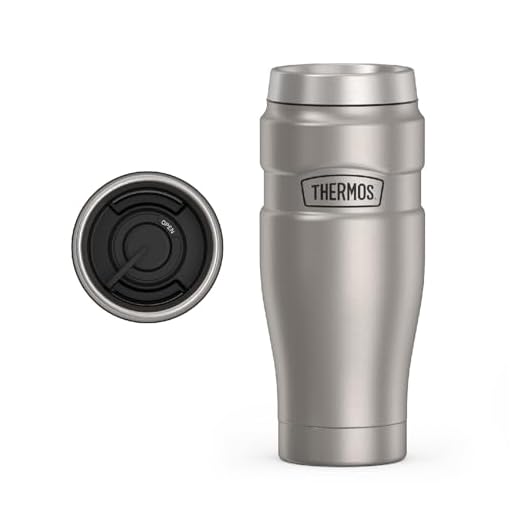
My 70yo dad swears by the THERMOS Stainless King for golf mornings. He said it feels premium and doesn’t slip from his wrinkly hands (rubberized bottom?). Would love a comment in the article about elderly-friendly grips and easy-open lids.
Yes — he also uses a small silicone sleeve on the body. Helps a ton.
Also mention non-slip bottoms — life saver for older hands.
That’s a thoughtful point, Natalie. We’ll add a short accessibility/elder-friendly section covering grips, lid ease, and weight.
Loved the breakdown on lids. I bought a Contigo Byron 20oz last month after reading something similar and it actually lives up to the hype — no spills during my commute. The article’s tip about testing the lid before each trip is gold. One thing I’d add: if you’re a tea person, check for stray tea bits in the seal after each use. 🙃
Totally agree. I leave mine in the dishwasher sometimes and it still hides crumbs. Hand-checking the seal is a good habit.
Woot — real-world confirmation helps! Which Byron size did you go with? 20oz seems tempting but might be heavy.
Thanks Maya — great point about tea bits. The seals are sneaky like that. We should probably add a quick photo-clean guide for seals in the article.
Okay rant incoming —
I bought a THERMOS Stainless King 16oz because of the vacuum insulation section here. It is ridiculously good at holding heat (like, too good sometimes) and the exterior never gets hot. But cleaning the lid is a tiny nightmare. Here’s my experience:
1) Lid has multiple parts 🤦
2) French press sludge + lid = effort
3) Dishwasher helps but I still rinse by hand
Still, I trust it on long drives. Worth it if you want heat retention over convenience imo.
Funny, I do the opposite — prefer something that loses heat faster but is easy to clean. To each their own!
This is helpful. I have the same Thermos and your list is exactly my experience. I use a small bottle brush for the crevices — helps a lot.
Thanks for the detailed tip, Sophie. We’ll add a note about lid complexity vs heat retention — sounds like a trade-off many readers will want to know about.
Zoe — mixing lids isn’t recommended unless manufacturer explicitly says so. Fit might work but seals and pressure valves can differ; could risk leaks.
Anyone tried swapping lids between mugs to simplify cleaning? I heard some lids cross-fit but unsure about safety.
I liked the design/lid choices piece but felt the visuals would help (e.g., flip vs push vs threaded lids). Could the author add quick diagrams or photos? I’m a visual person and a small picture clarifies which lids are dishwasher-safe.
Yes please! A diagram would have saved me from buying two mugs to find the lid I actually like.
Thanks Hannah — that’s a solid suggestion. We’ll look into adding simple visuals that map lid types to cleaning and travel use.